

Healthy eating is often misunderstood as restrictive, complicated, or time-consuming. In reality, it’s much simpler—and more flexible—than most people think.
You don’t need to follow strict diets or eliminate your favorite foods. Instead, healthy eating is about making smarter choices, focusing on nutrient-dense foods, and building sustainable habits that work in real life.
This guide will help you understand what healthy eating truly means and how to apply it to your daily routine.
Why Healthy Eating Matters

Food is your body’s primary source of energy and nutrients. What you eat directly affects your:
Energy levels
Weight management
Mental health
Risk of chronic diseases
A diet that lacks essential nutrients can lead to health issues, while excessive calorie intake may result in weight gain and increase the risk of conditions such as:
Type 2 diabetes
Heart disease
Liver and kidney disease
The Role of Food Quality
Research shows that diets high in ultra-processed foods are linked to:
Higher mortality rates
Increased risk of cancer and heart disease
Greater likelihood of depressive symptoms
On the other hand, diets rich in whole, nutrient-dense foods—such as vegetables, fruits, nuts, and fish—support longevity and overall well-being.

Do You Need a Specific Diet to Eat Healthy?
The short answer: No.
Healthy eating doesn’t require a strict diet plan. While some individuals may follow specific diets for medical or personal reasons, most people can thrive by simply focusing on balanced, nutritious foods.
Your ideal diet depends on factors like:
Culture and food preferences
Budget and lifestyle
Health conditions
The goal is to create a way of eating that is realistic and sustainable for you.
The Basics of Healthy Eating
1. Focus on Nutrient Density
Not all calories are equal. What matters most is the nutrients your food provides.
Nutrient-dense foods include:
Vegetables and fruits
Eggs and dairy
Nuts and seeds
Fish and lean proteins
These foods provide essential vitamins, minerals, fiber, and healthy fats that your body needs to function properly.
Tip: A food can be high in calories and still be healthy (like avocados or nuts). Likewise, low-calorie foods are not always nutritious.
2. Eat a Variety of Foods
Diet diversity is key to long-term health. Eating different types of foods helps:
Support gut health
Improve nutrient intake
Reduce disease risk
If you’re a picky eater, start small:
Add one new food at a time
Gradually expand your choices
Repeated exposure can help you develop a taste for new foods over time.
3. Balance Your Macronutrients
Macronutrients include:
Carbohydrates
Protein
Fats
A balanced meal typically includes all three. For example:
Fruit (carbs) + nut butter (fat + protein)
Rice (carbs) + chicken (protein) + vegetables (fiber)
This combination helps you feel full, satisfied, and energized.
Note: Most people don’t need to count macros. Focus on balance instead of perfection.
4. Limit Ultra-Processed Foods
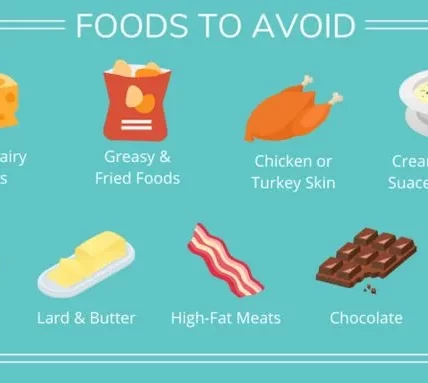
One of the most effective ways to improve your diet is to reduce highly processed foods, such as:
Sugary drinks
Packaged snacks
Candy and baked goods
These foods often contain:
Added sugars
Unhealthy fats
Low nutritional value
That said, not all processed foods are bad. Items like frozen vegetables, canned beans, and nuts can still be part of a healthy diet.
How to Make Healthy Eating Work for You
Stock Your Kitchen Smartly
Having healthy options available makes good choices easier.
Include:
Fresh or frozen fruits and vegetables
Protein sources (eggs, fish, tofu, chicken)
Whole grains (oats, brown rice)
Healthy fats (olive oil, avocado, nuts)
Use the “Rule of Threes”
When planning meals, think of three components:
Protein
Healthy fats
Fiber-rich carbohydrates
This simple framework helps you build balanced meals without overthinking.
Start Small and Build Habits
You don’t need to change everything at once.
Try:
Cooking 1–2 meals at home per week
Adding vegetables to one meal daily
Replacing sugary drinks with water
Consistency matters more than perfection.
Building a Healthy Relationship with Food
Healthy eating is not just about what you eat—it’s also about how you think about food.
Avoid:
Extreme dieting
Labeling foods as “good” or “bad”
Obsessive calorie counting
Focus on:
Enjoying your meals
Listening to your hunger cues
Practicing balance and flexibility
Developing a positive relationship with food supports both physical and mental health.
Additional Tips for Real-Life Healthy Eating
Cook more at home to control ingredients
Stay hydrated—water is your best choice
Avoid “cheat day” thinking—all foods can fit in moderation
Respect your preferences—don’t force foods you dislike
Final Thoughts
Healthy eating doesn’t require perfection or strict rules. It’s about creating a balanced, enjoyable way of eating that supports your lifestyle and health goals.
Key Takeaways:
Prioritize nutrient-dense, whole foods
Eat a variety of foods
Balance protein, fats, and carbs
Limit ultra-processed foods
Build sustainable habits over time

By making small, consistent changes, you can develop a healthier diet that lasts a lifetime—without sacrificing enjoyment.
Remember: Healthy eating is not a short-term fix—it’s a long-term investment in your well-being.