
Changing Your Habits for Better Health: A Practical Step-by-Step Guide

Building healthier habits is one of the most powerful ways to improve your overall well-being. Whether you’re trying to eat better, become more active, or boost your energy levels, the journey starts with small, consistent changes.
The challenge? Old habits are hard to break. But with the right approach, you can replace them with routines that support long-term health.
This guide will walk you through the stages of habit change and provide actionable strategies to help you succeed.

Why Healthy Habits Matter
Your daily habits directly impact your health. Poor lifestyle choices can increase the risk of chronic diseases such as:
Obesity
Type 2 diabetes
High blood pressure
On the other hand, healthy habits like balanced nutrition and regular physical activity can:
Improve energy levels
Support weight management
Enhance mental well-being
Over time, these behaviors become part of your routine—making healthy living feel natural.
The 4 Stages of Changing Your Habits
Behavior change doesn’t happen overnight. It typically follows four key stages:
1. Contemplation: Thinking About Change
At this stage, you’re considering making a change but haven’t taken action yet.
You might feel like:
“I want to be healthier, but I don’t know where to start.”
“I know this would help me, but it feels difficult.”
What to Do:
Identify the benefits of change (more energy, better health)
Recognize the barriers holding you back
Reflect on how change will improve your life
2. Preparation: Getting Ready to Act
Here, you’ve decided to make a change and are starting to plan.
You might:
Set specific goals
Research healthy habits
Prepare mentally and physically
What to Do:
Create a realistic plan
Start small (e.g., walk 10 minutes a day)
Identify possible obstacles and solutions
Common Roadblocks & Solutions:
“I don’t have time” → Schedule short activities into your day
“Healthy food is expensive” → Buy in bulk or choose frozen options
“I lack motivation” → Find a workout partner or support system
3. Action: Making Real Changes
This is where you actively change your behavior—usually within the first 6 months.
Examples:
Eating healthier meals
Exercising regularly
Reducing screen time
How to Stay on Track:
Review your goals regularly
Track your progress
Reward yourself (non-food rewards)
Tracking not only what you do—but how you feel—can help reinforce positive habits.
4. Maintenance: Building a Lasting Routine
At this stage, your new habits have become part of your lifestyle.
You might notice:
Healthy choices feel natural
You can recover quickly from setbacks
You stay consistent over time
How to Maintain Success:
Keep your routine interesting
Prepare for challenges
Continue setting new goals
Remember: Setbacks are normal. Progress matters more than perfection.
Practical Tips to Build Better Habits
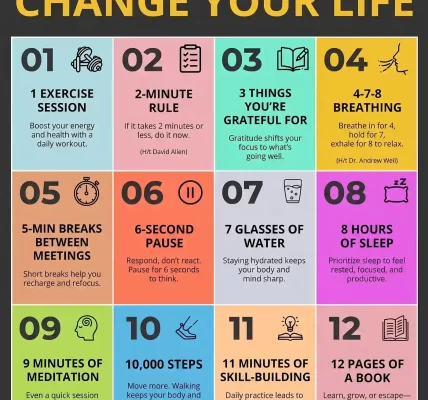
1. Start Small
Big changes can feel overwhelming. Focus on simple steps like:
Drinking more water
Adding vegetables to one meal
Walking daily
2. Make Healthy Choices Convenient
Set yourself up for success:
Keep healthy foods at home
Plan meals in advance
Schedule workouts like appointments
3. Track Your Progress
Monitoring your habits helps you:
Stay motivated
Identify patterns
Adjust your strategy
You can use apps, journals, or simple checklists.
4. Stay Motivated
Remind yourself why you started:
Better health
More energy
Improved quality of life

Celebrating small wins keeps you moving forward.
5. Build a Support System
You don’t have to do it alone. Ask for help from:
Friends and family
Workout partners
Health professionals
Support increases accountability and success.
How to Overcome Setbacks
Everyone experiences challenges. The key is how you respond.
Smart Strategies:
Plan alternatives (e.g., indoor exercise during bad weather)
Prepare healthy snacks when traveling
Get back on track quickly after a slip-up
Don’t let one mistake undo your progress.
Make Healthy Living a Lifestyle
Healthy habits are not temporary—they’re lifelong commitments.
To sustain them:
Keep learning and improving
Add variety to your routine
Challenge yourself with new goals
For example:
Add strength training to your routine
Reduce sugar intake gradually
Try new healthy recipes
Final Thoughts
Changing your habits is a journey, not a quick fix. By understanding the stages of change and taking small, consistent steps, you can build a healthier lifestyle that lasts.
Key Takeaways:
Start with small, realistic changes
Follow the four stages of habit change
Stay consistent and patient
Learn from setbacks and keep going
Your future health is shaped by what you do every day—start building better habits today.