
Protein is one of the most essential nutrients your body needs every single day. Whether your goal is building muscle, losing weight, or simply maintaining overall health, getting enough high-quality protein can make a significant difference.
In this SEO-optimized guide, we’ll explore the 10 best high-protein foods, how much protein you actually need, and whether too much protein can be harmful—based on expert insights and scientific evidence.
What Is Protein and Why Does It Matter?
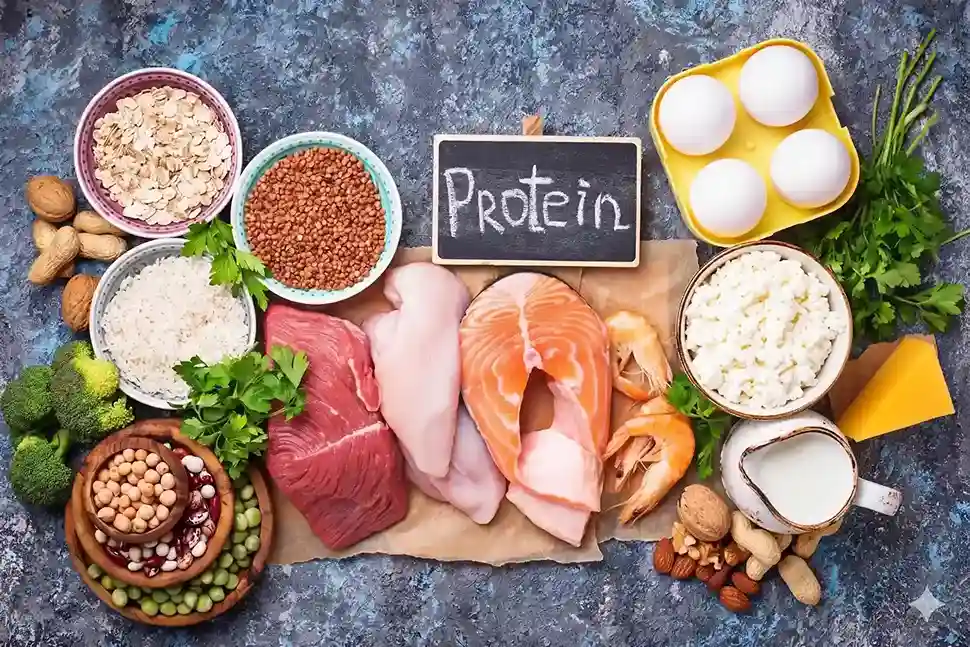
Protein is a vital macronutrient found in foods like meat, dairy, legumes, and grains. It plays a key role in building and repairing tissues, producing enzymes and hormones, and supporting immune function.
Protein is made up of amino acids, including essential amino acids that your body cannot produce on its own—meaning you must get them from your diet.
Key Benefits of Protein:
- Supports muscle growth and recovery
- Helps maintain bone density
- Improves satiety (fullness) and reduces cravings
- Supports healthy metabolism and blood sugar control
- Boosts immune system function
For those aiming for weight loss, protein is especially powerful. It keeps you fuller longer, reduces overeating, and helps preserve lean muscle mass.
How Much Protein Do You Need?
According to nutrition experts, you should aim for:
- 0.8 grams of protein per kilogram of body weight (minimum)
- Or 10%–35% of your daily calorie intake
Example:
- 68 kg (150 lbs) person → at least 54g protein/day
- 91 kg (200 lbs) person → around 72g protein/day
Athletes or highly active individuals may require even more.
10 Best High Protein Foods
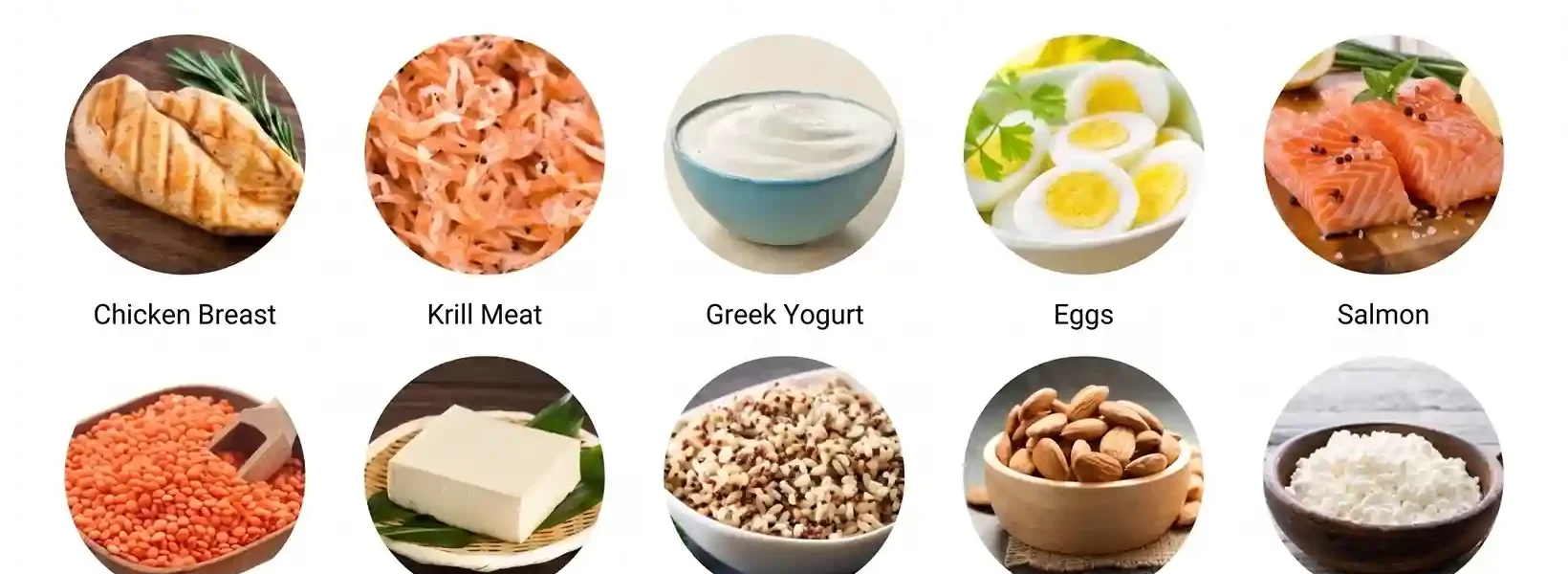
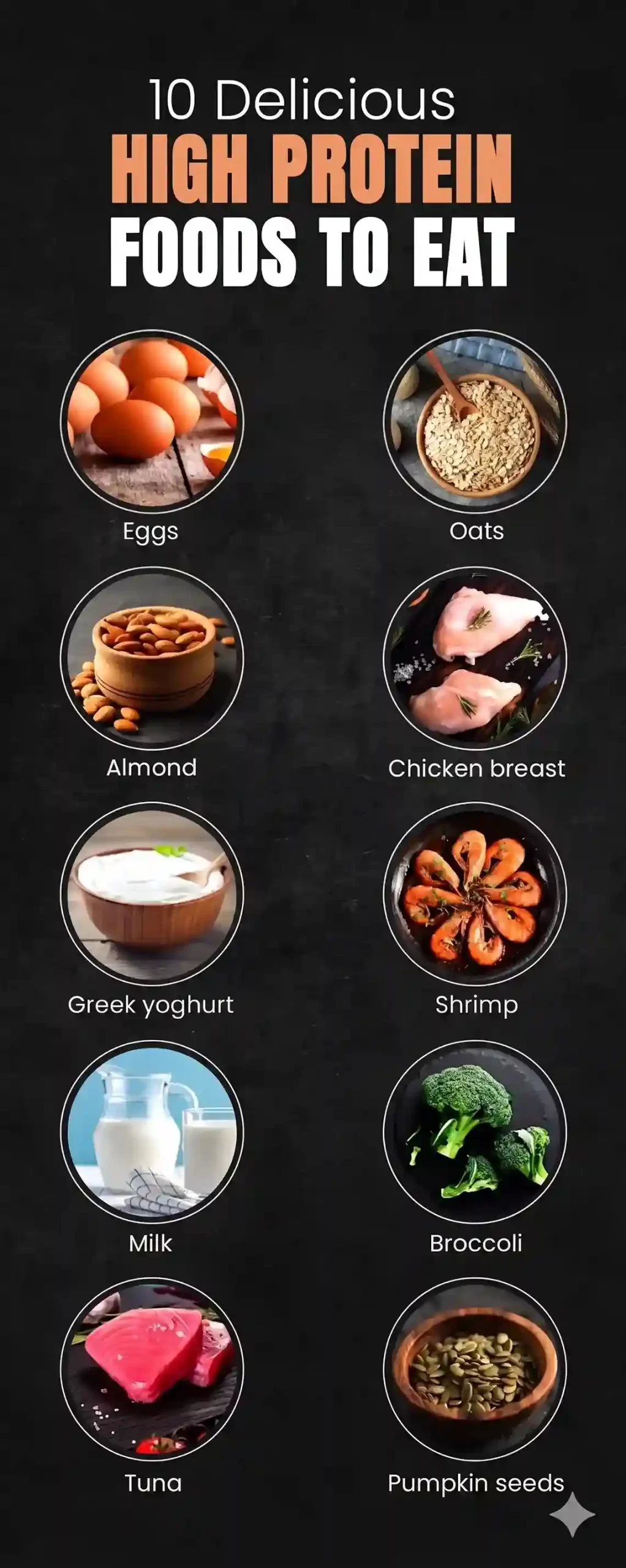
Here are the top expert-recommended protein-rich foods you should consider adding to your diet:
1. Salmon
A powerhouse of nutrition, salmon delivers ~22g of protein per 3-ounce serving along with heart-healthy omega-3 fatty acids.
Best for: Heart health, muscle recovery
2. Greek Yogurt
Thick, creamy, and nutrient-dense, Greek yogurt offers ~20g of protein per serving plus calcium and B vitamins.
Best for: Breakfast, smoothies, gut health
3. Chicken Breast
A lean protein staple, chicken provides ~24g of protein per 4 ounces with minimal fat.
Best for: Muscle building, weight loss diets
4. Lentils
A plant-based protein favorite, lentils contain ~18g of protein per cooked cup and are rich in fiber.
Best for: Vegetarians, heart health
5. Lean Pork
Lean pork delivers ~21g of protein per 100g, along with a complete amino acid profile.
Best for: Budget-friendly, versatile meals
6. Garbanzo Beans (Chickpeas)
With ~14.5g protein per cup, chickpeas are a fantastic vegan option that also supports digestion and heart health.
Best for: Salads, hummus, plant-based diets
7. Eggs
One large egg contains ~6g of protein plus essential nutrients like vitamin D and choline.
Best for: Quick meals, muscle repair
8. Tempeh
A fermented soy product with ~20g protein per serving, tempeh also supports gut health thanks to probiotics.
Best for: Vegan diets, digestive health
9. Quinoa
A rare complete plant protein, quinoa offers ~8g protein per cup along with fiber and minerals like zinc.
Best for: Gluten-free diets, balanced meals
10. Cottage Cheese
Containing ~12g protein per half-cup, cottage cheese is low-calorie and rich in calcium.
Best for: Snacks, muscle recovery
Getting Enough Protein on a Vegan or Vegetarian Diet
Plant-based diets can absolutely meet protein needs—but it requires smart planning.
Tips:
- Combine multiple protein sources (e.g., beans + grains)
- Include protein-rich snacks like:
- Nuts and seeds
- Whole-grain crackers with plant-based spreads
- Consider soy products (tofu, tempeh, soy protein)
Pairing foods helps ensure you get a complete amino acid profile.
Are There Risks to Eating Too Much Protein?
While protein is essential, excessive intake may come with downsides:
- Weight gain (excess protein stored as fat)
- Increased intake of saturated fat (from certain animal sources)
- Potential strain on kidneys (in extreme cases)
Balance is key—focus on lean proteins and whole foods.
Should You Use Protein Supplements?
Protein powders can be helpful, especially if:
- You’re an athlete
- You have dietary restrictions
- You struggle to meet daily protein needs
However, they should not replace whole foods.
What to look for:
- Minimal ingredients
- No added sugars or artificial additives
- Third-party tested products
Whole foods still provide vitamins, minerals, and fiber that supplements lack.
Final Thoughts
Protein is a cornerstone of good nutrition, supporting everything from muscle growth to metabolic health. By including a variety of high-protein foods—both animal and plant-based—you can easily meet your daily needs and improve overall well-being.
The key is balance, consistency, and choosing nutrient-dense, high-quality sources.