
Eating a balanced diet is one of the most important steps you can take to improve your overall health, boost energy, and support long-term wellness. But what does a balanced diet actually mean?
If you’ve ever felt confused about how to eat “healthy,” you’re not alone. Many people believe they’re eating well—but research suggests otherwise. Understanding the fundamentals of a balanced diet can help you make smarter food choices and build sustainable habits.
In this guide, we’ll break down everything you need to know about balanced nutrition, including key food groups, portion guidelines, and practical tips you can start using today.
What Is a Balanced Diet?
At its core, a balanced diet is about variety and proportion.
Rather than focusing on “superfoods” or eliminating entire food groups, a balanced diet includes a wide range of nutrient-dense foods that provide your body with essential vitamins, minerals, and macronutrients.
Key Principle:
A balanced diet is not about perfection—it’s about consistently choosing a variety of whole, nourishing foods in the right proportions.
The Modern Approach: MyPlate Guidelines
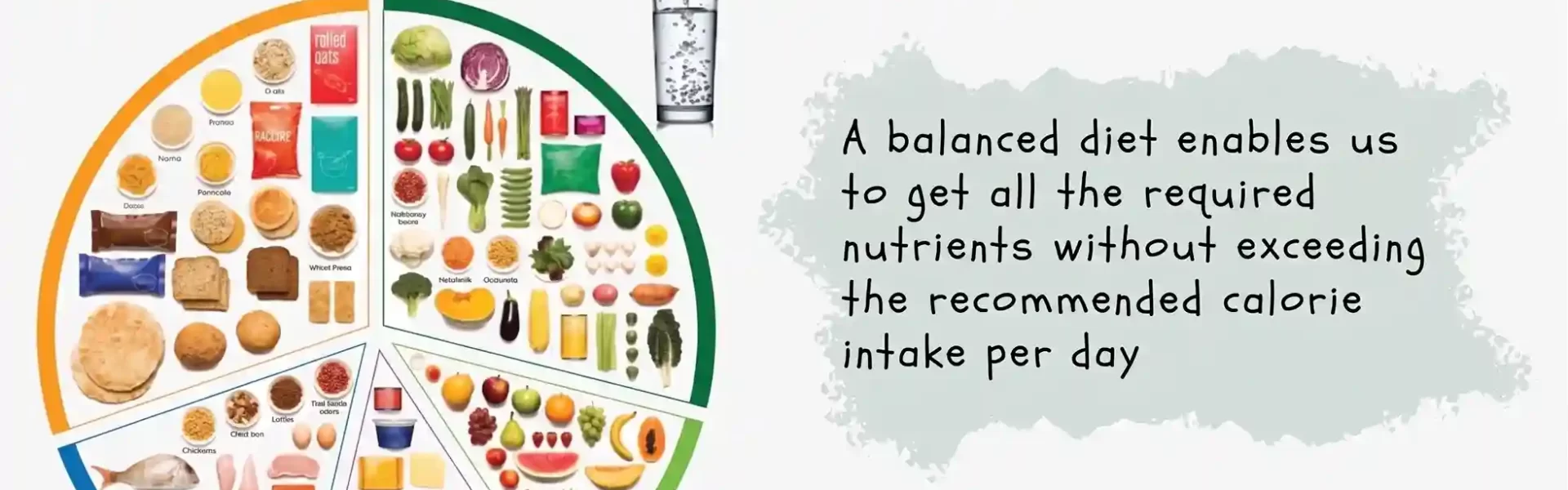
Today, nutrition experts recommend using the MyPlate model as a simple way to structure your meals.
A balanced plate should include:
- 50% Fruits and Vegetables
- 25% Protein (preferably lean sources)
- 25% Grains (at least half whole grains)
- Dairy: About 3 servings per day
These are general recommendations and may vary depending on your age, activity level, and health goals.
The Key Components of a Balanced Diet
1. Fruits and Vegetables (50% of Your Plate)
Fruits and vegetables are packed with vitamins, minerals, antioxidants, and fiber.
Why they matter:
- Support immune health
- Improve digestion
- Reduce risk of chronic diseases
Tips:
- Aim for a variety of colors (green, red, orange, purple)
- Choose mostly non-starchy vegetables (like leafy greens, broccoli, peppers)
- Limit starchy vegetables (like potatoes, corn) to your grain portion
2. Protein (25% of Your Plate)
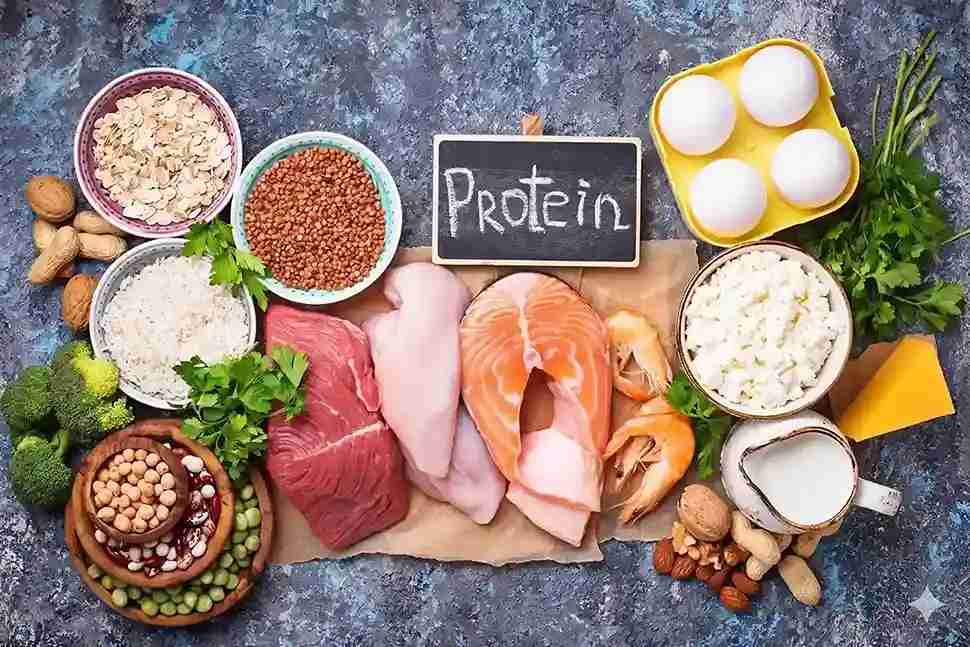
Protein plays a crucial role in building and repairing tissues, maintaining muscle mass, and keeping you full longer.
Benefits of protein:
- Supports muscle growth
- Helps control appetite
- Boosts metabolism
Healthy protein sources:
- Chicken breast
- Eggs
- Fish (like salmon)
- Beans, lentils, and legumes
- Nuts and seeds
- Tofu and tempeh
👉 Tip: Choose lean protein and limit processed or high-fat meats.
3. Grains & Carbohydrates (25% of Your Plate)
Carbohydrates are your body’s main energy source. The key is choosing the right types of carbs.
Focus on whole grains:
- Brown rice
- Oats
- Quinoa
- Whole wheat bread and pasta
- Buckwheat and bulgur
Why whole grains matter:
They contain more fiber, which helps with:
- Digestion
- Blood sugar control
- Long-lasting energy
👉 Avoid excessive refined grains like white bread and processed snacks.
4. Dairy (or Alternatives)
Dairy products provide essential nutrients like calcium and vitamin D, which support strong bones.
Examples of dairy servings:
- 1 cup milk or fortified plant-based milk
- 1 cup yogurt
- 1.5 oz cheese
Alternatives:
If you don’t consume dairy, you can get calcium from:
- Fortified plant-based milk
- Tofu
- Sardines
- Calcium-fortified juices
What About Sweets and Treats?
A balanced diet doesn’t mean eliminating your favorite foods.
Moderation is key.
Enjoy sweets occasionally, but keep portions small and avoid making them a daily habit. A flexible approach is more sustainable than strict restriction.
Why Variety Is the Secret to Balanced Nutrition
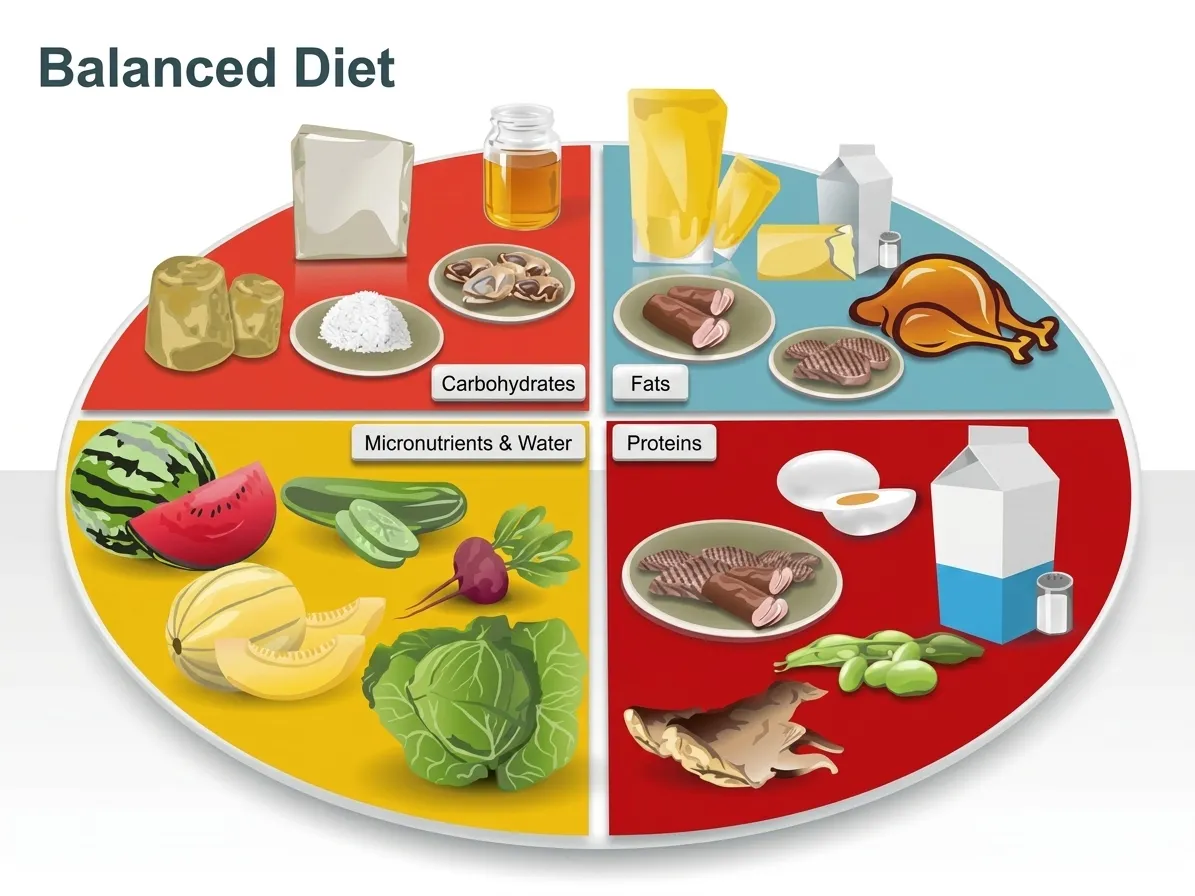
Different foods provide different nutrients. That’s why eating a wide range of foods ensures your body gets everything it needs.
Think of your plate like this:
- More colors = more nutrients
- More variety = better health
Common Mistakes to Avoid
- ❌ Eating too much of one food group (e.g., protein-heavy diets)
- ❌ Avoiding carbs completely
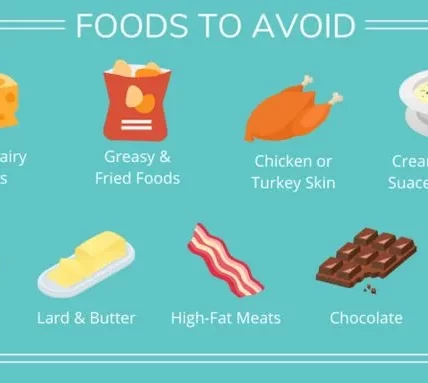
- ❌ Relying on processed or “fast” foods
- ❌ Skipping vegetables
- ❌ Following overly restrictive diets
How to Build a Balanced Meal (Simple Example)
Here’s what a balanced meal might look like:
- Grilled chicken (protein)
- Brown rice (whole grain)
- Steamed broccoli and carrots (vegetables)
- A side of yogurt (dairy)
Final Thoughts: Balance Over Perfection
A balanced diet isn’t about strict rules or cutting out foods you enjoy. It’s about creating sustainable habits that nourish your body and support your lifestyle.
Key Takeaways:
- Focus on variety and proportion
- Fill half your plate with fruits and vegetables
- Choose whole, minimally processed foods
- Allow occasional treats without guilt
When you consistently follow these principles, you’ll not only improve your health—but also feel more energized and satisfied every day.