
Food cravings can feel overwhelming—especially when you’re trying to eat healthier or lose weight. These intense urges often go beyond normal hunger and are typically directed toward sugary, highly processed foods.
The good news? Cravings are manageable. With the right strategies, you can reduce their frequency and take back control of your eating habits.
Why Do Food Cravings Happen?
Cravings are influenced by a mix of biological, psychological, and environmental factors. Hormonal fluctuations, stress, lack of sleep, and even habits can all trigger the desire for unhealthy foods—especially those high in sugar.
Understanding these triggers is the first step toward controlling them.
1. Drink More Water
Sometimes, what feels like hunger is actually dehydration.
Before reaching for a snack, try drinking a full glass of water and wait a few minutes. You may notice the craving fades naturally.
Bonus: Drinking water before meals can also help reduce appetite and support weight management.
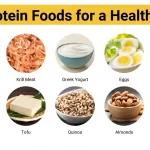
2. Increase Your Protein Intake
Protein plays a key role in controlling hunger and cravings. It helps you feel full longer and reduces the urge to snack unnecessarily.
Adding more protein to your meals—especially breakfast—can significantly decrease cravings, including late-night snacking.

3. Distract Yourself from Cravings
Cravings often pass if you don’t act on them immediately.
Try:
- Taking a short walk
- Chewing gum
- Taking a shower
A simple change in environment or activity can shift your focus and weaken the craving.
4. Plan Your Meals Ahead
Unplanned eating leads to impulsive choices.
By planning your meals in advance, you remove uncertainty and reduce the likelihood of giving in to cravings.
Meal planning creates structure—and structure reduces temptation.
5. Don’t Let Yourself Get Too Hungry
Extreme hunger is one of the biggest triggers for cravings.
To prevent this:
- Eat regular meals
- Keep healthy snacks nearby
When your body is consistently fueled, cravings are less likely to appear.
6. Manage Stress Effectively
Stress can significantly increase cravings—especially for sugary and high-calorie foods.
This happens because stress raises cortisol levels, a hormone linked to increased appetite and fat storage.
Helpful strategies include:
- Meditation
- Light exercise
- Deep breathing
- Better time management
7. Consider Spinach Extract
Spinach extract supplements may help reduce appetite by slowing fat digestion and increasing satiety hormones.
Some studies suggest it can significantly reduce cravings—especially for sweet foods.
However, supplements should be used cautiously and ideally under professional guidance.
8. Get Enough Sleep
Sleep plays a critical role in regulating hunger hormones.
Lack of sleep can:
- Increase appetite
- Disrupt hunger signals
- Intensify cravings
Aim for at least 7 hours of quality sleep per night to maintain proper appetite control.
9. Eat Balanced, Nutrient-Dense Meals
Cravings can result from nutrient deficiencies or unbalanced meals.
Make sure your meals include:
- Protein
- Healthy fats
- Fiber-rich carbohydrates
Balanced meals help stabilize blood sugar and keep cravings in check.
10. Avoid Shopping While Hungry
Grocery stores are full of tempting, high-calorie foods—especially at eye level.
Shopping while hungry increases the risk of impulse purchases.
Rule of thumb: Always eat before going grocery shopping.

11. Practice Mindful Eating
Mindful eating helps you distinguish between real hunger and emotional cravings.
Key habits include:
- Eating slowly
- Paying attention to hunger signals
- Avoiding distractions like phones or TV
This awareness helps you make more intentional and healthier food choices.
Final Thoughts
Cravings are a normal part of life—but they don’t have to control your behavior.
By:
- Staying hydrated
- Eating balanced meals
- Managing stress
- Prioritizing sleep
—you can significantly reduce cravings and build healthier eating habits over time.
Consistency matters more than perfection. The goal isn’t to eliminate cravings entirely, but to respond to them in a smarter, more controlled way.