
A well-planned vegetarian diet can be one of the healthiest ways to nourish your body. Whether you’re choosing this lifestyle for health, ethical, or environmental reasons, going plant-based can help reduce the risk of heart disease, diabetes, and certain cancers.
However, not all vegetarian diets are created equal. Without proper planning, you may miss essential nutrients or rely too heavily on processed foods. This guide will show you how to build a balanced vegetarian diet that meets all your nutritional needs.
What Is a Vegetarian Diet?
A vegetarian diet focuses on plant-based foods while limiting or excluding animal products. There are several types of vegetarian diets, including:
Lacto-vegetarian: Includes dairy but excludes meat, fish, poultry, and eggs
Ovo-vegetarian: Includes eggs but excludes meat, dairy, and fish
Lacto-ovo vegetarian: Includes both dairy and eggs
Pescatarian: Includes fish but excludes meat and poultry
Vegan: Excludes all animal products
Flexitarian: Mostly plant-based but occasionally includes animal products
Each type requires slightly different planning to ensure proper nutrition.
Benefits of a Vegetarian Diet
A balanced plant-based diet may:
Lower the risk of chronic diseases
Improve heart health
Support healthy weight management
Increase intake of fiber and antioxidants
That said, benefits depend on food quality, not just food type.
How to Plan a Healthy Vegetarian Diet
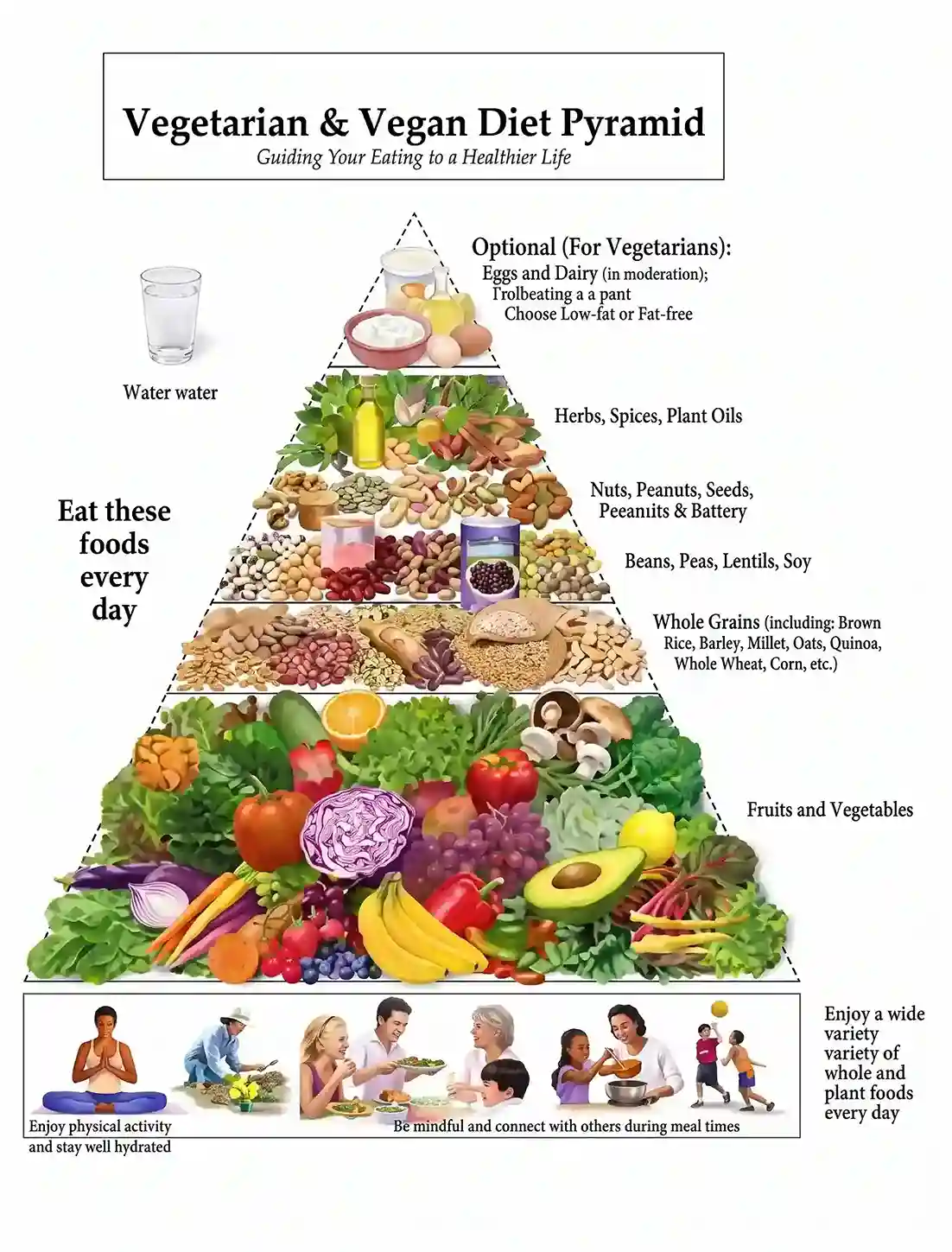
To get the most from a vegetarian lifestyle, focus on variety and nutrient density.
Include These Food Groups Daily:
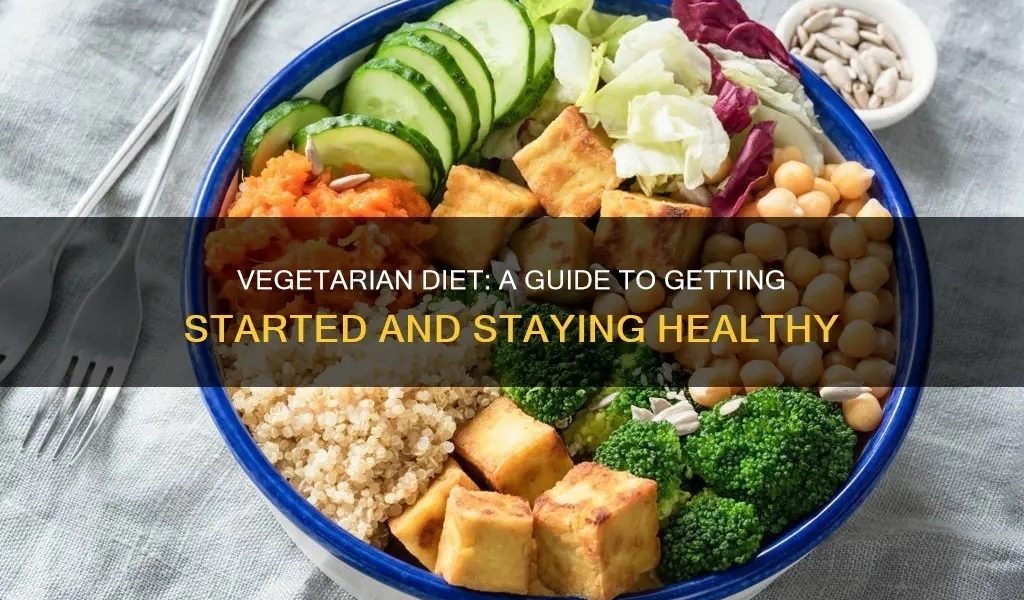
Vegetables: Aim for a wide range of colors
Fruits: Fresh, whole fruits are best
Whole grains: Brown rice, oats, quinoa
Legumes: Beans, lentils, chickpeas
Nuts and seeds: Almonds, walnuts, chia seeds
Dairy or alternatives: Milk, yogurt, or fortified plant-based options
Limit:
Refined grains
Sugary drinks
Highly processed vegetarian foods
Key Nutrients Vegetarians Need to Watch
When you reduce or eliminate animal products, certain nutrients require extra attention.
1. Calcium and Vitamin D
Essential for bone health.
Sources:
Leafy greens (kale, broccoli)
Fortified plant milk and cereals
Sunlight exposure (for vitamin D)
2. Vitamin B12
Critical for red blood cell production and nerve function.
Sources:
Fortified foods (cereals, plant milk)
Supplements (especially for vegans)
3. Protein
Important for muscles, skin, and overall body function.
Plant-based sources:
Lentils, beans, chickpeas
Tofu and soy products
Nuts, seeds, and whole grains
4. Omega-3 Fatty Acids
Support heart and brain health.
Sources:
Flaxseeds
Walnuts
Soy products
Fortified foods
5. Iron
Needed for oxygen transport in the blood.
Sources:
- Lentils, beans
- Spinach and leafy greens
- Whole grains and fortified cereals
👉 Tip: Pair iron-rich foods with vitamin C (like citrus fruits or tomatoes) to improve absorption.
6. Zinc
Supports immunity and cell growth.
Sources:
- Whole grains
- Nuts and seeds
- Legumes
7. Iodine
Important for thyroid function and metabolism.
Sources:
- Iodized salt
- Seaweed
Sample Daily Intake (Based on a 2,000-Calorie Diet)
- Vegetables: ~2.5 cups
- Fruits: ~2 cups
- Grains (mostly whole): ~6–7 servings
- Protein: ~3–4 servings
- Dairy or alternatives: ~3 servings
- Healthy fats: Moderate amounts
Tips to Start a Vegetarian Diet
Transitioning doesn’t have to be difficult. Start gradually:
1. Reduce Meat Slowly
Begin with a few meat-free meals per week.
2. Substitute Smartly
Replace meat with plant-based proteins:
- Beans instead of ground beef
- Tofu instead of chicken
3. Explore New Recipes
Try global cuisines like:
- Indian lentil dishes
- Mediterranean vegetable meals
- Asian tofu-based recipes
4. Add More Greens
Incorporate spinach, kale, and other leafy vegetables into daily meals.
Common Mistakes to Avoid
- Relying too much on processed vegetarian foods
- Not eating enough protein
- Ignoring key nutrients like B12 and iron
- Eating too many refined carbs
Final Thoughts
A vegetarian diet can be incredibly nutritious—but only if it’s well-balanced. By focusing on whole foods, planning your meals carefully, and paying attention to essential nutrients, you can enjoy all the benefits of a plant-based lifestyle.
The key isn’t just removing meat—it’s building a smarter, more nourishing way to eat.