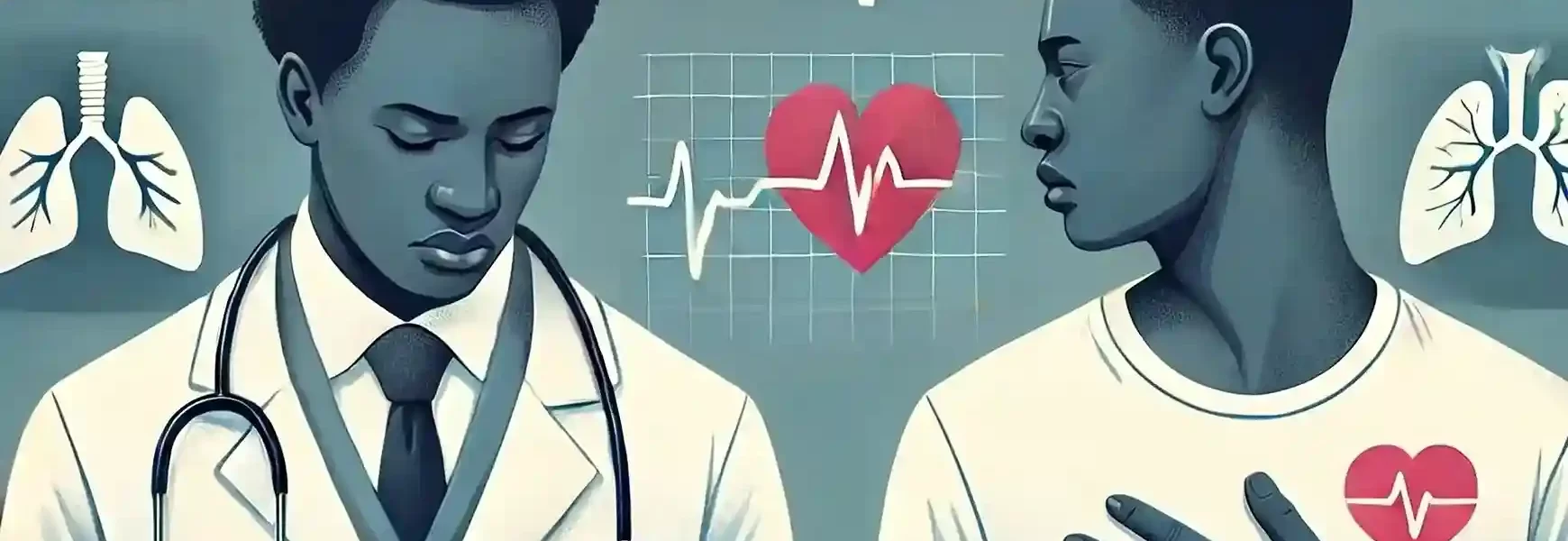

It’s normal to feel unwell from time to time—a headache, a mild fever, or an upset stomach can often be resolved with rest, hydration, or better nutrition. However, when certain symptoms persist or appear suddenly without explanation, they may signal a more serious underlying condition.
Understanding the difference between signs and symptoms—and knowing when to seek medical attention—can play a critical role in early detection and long-term health.
Signs vs. Symptoms: What’s the Difference?
Before diving into warning signals, it’s important to distinguish between the two:
- Signs are observable by others (e.g., swelling, fever, rapid heartbeat).
- Symptoms are experienced personally (e.g., fatigue, pain, dizziness).
Recognizing both can help you better communicate with healthcare professionals and identify potential health risks early.
1. Chest Pain and Shortness of Breath
Chest pain combined with difficulty breathing is a serious warning sign that should never be ignored. These symptoms may indicate heart-related conditions such as a heart attack or heart failure.
If symptoms are severe, sudden, or worsen with activity, seek immediate medical attention.
2. Persistent Headaches
While occasional headaches are common, recurring or long-lasting headaches may signal underlying issues such as hormonal changes, neurological conditions, or chronic stress.
If headaches become frequent, intense, or different from your usual pattern, consult a healthcare provider.
3. Prolonged Fever
Fever is your body’s natural response to infection. However, if it lasts several days or is accompanied by symptoms like confusion, vomiting, or a stiff neck, it could indicate a more serious illness that requires medical evaluation.
4. Severe or Persistent Vomiting
Occasional vomiting may result from food poisoning or digestive upset. But persistent vomiting—especially with blood, chest pain, or severe abdominal discomfort—can signal infections or gastrointestinal disorders that need treatment.
5. Unexplained Weight Loss
Losing weight without changes in diet or exercise might seem appealing, but it can be a red flag. Unintentional weight loss may be linked to digestive disorders, metabolic conditions, or more serious diseases.
Always consult a doctor if weight loss is rapid or unexplained.
6. Blood in Urine or Stool
The presence of blood in urine or stool should never be ignored. It may indicate conditions such as infections, kidney stones, hemorrhoids, or gastrointestinal disorders.
Early diagnosis is essential to rule out more serious causes and begin appropriate treatment.
7. Sudden Numbness or Weakness
If you experience sudden weakness, especially on one side of the body, it could be a sign of a stroke. Other symptoms include confusion, difficulty speaking, vision problems, and loss of balance.
This is a medical emergency—seek help immediately.
8. Persistent Fatigue
Feeling tired after a long day is normal, but ongoing fatigue that doesn’t improve with rest may indicate underlying health issues such as anemia, diabetes, thyroid disorders, or heart disease.
Chronic fatigue should always be evaluated by a healthcare professional.
9. Severe Abdominal Pain
Mild stomach discomfort can happen occasionally, but severe or persistent abdominal pain may signal conditions like appendicitis, ulcers, gallstones, or intestinal blockages.
Prompt medical attention can prevent complications and ensure proper treatment.
10. Extreme Mood Changes
Mental health is just as important as physical health. Persistent mood swings, loss of interest in activities, or prolonged feelings of sadness may indicate depression or other mental health conditions.
If these symptoms last for weeks or interfere with daily life, consider seeking support from a mental health professional.
Final Thoughts
Your body often gives subtle warnings when something isn’t right. Ignoring these signals can delay diagnosis and treatment, potentially leading to more serious complications.
Prioritize your health by paying attention to unusual or persistent symptoms. When in doubt, consult a healthcare professional—early detection can make all the difference.