
Adolescent and Young Adult Health: Key Risks, Challenges, and Prevention Strategies
 Leo Thompson
Posted on
Leo Thompson
Posted on Adolescent and young adult health is a critical global issue that shapes the future of societies. Individuals aged 10–24 years experience rapid physical, emotional, and social changes—making this stage both an opportunity for growth and a period of vulnerability. Understanding the major health risks and adopting effective prevention strategies can significantly improve long-term well-being and life outcomes.
Table of Contents
ToggleKey Facts About Adolescent Health
- Over 1.5 million adolescents and young adults died globally in 2021—about 4,500 deaths per day.
- Adolescents aged 10–14 years have the lowest mortality risk among all age groups.
- Leading causes of death include injuries, violence, self-harm, and maternal conditions.
- Half of all adult mental health disorders begin before age 18, yet most remain untreated.
- Early substance use increases the risk of addiction and long-term health issues.
These statistics highlight the urgent need for targeted health interventions during adolescence.
Global Differences in Survival and Health
Health outcomes for adolescents vary widely depending on geographic location and socioeconomic conditions. For example, the risk of death between ages 10 and 24 is significantly higher in low-income regions compared to developed areas.
As adolescents grow older, health risks shift:
- Younger teens (10–14): More affected by infectious diseases
- Older teens and young adults (15–24): More affected by injuries, violence, and mental health issues
Major Health Challenges Facing Adolescents
1. Injuries and Accidents
Unintentional injuries are the leading cause of death among adolescents.
- Road traffic accidents claim over 100,000 adolescent lives annually
- Many victims are pedestrians, cyclists, or motorbike users
- Drowning is another major risk, especially among boys
2. Violence and Social Risks
Interpersonal violence is a major global concern, especially among young males. It contributes to:
- Physical injury and death
- Increased risk of infections and mental health disorders
- Poor academic performance and early school dropout
3. Substance Use (Alcohol, Drugs, Tobacco)
Substance use often begins during adolescence and can have lifelong consequences:
- Over 25% of teens (15–19) consume alcohol globally
- Cannabis is the most commonly used drug among youth
- Early tobacco use increases the risk of nicotine addiction and chronic diseases
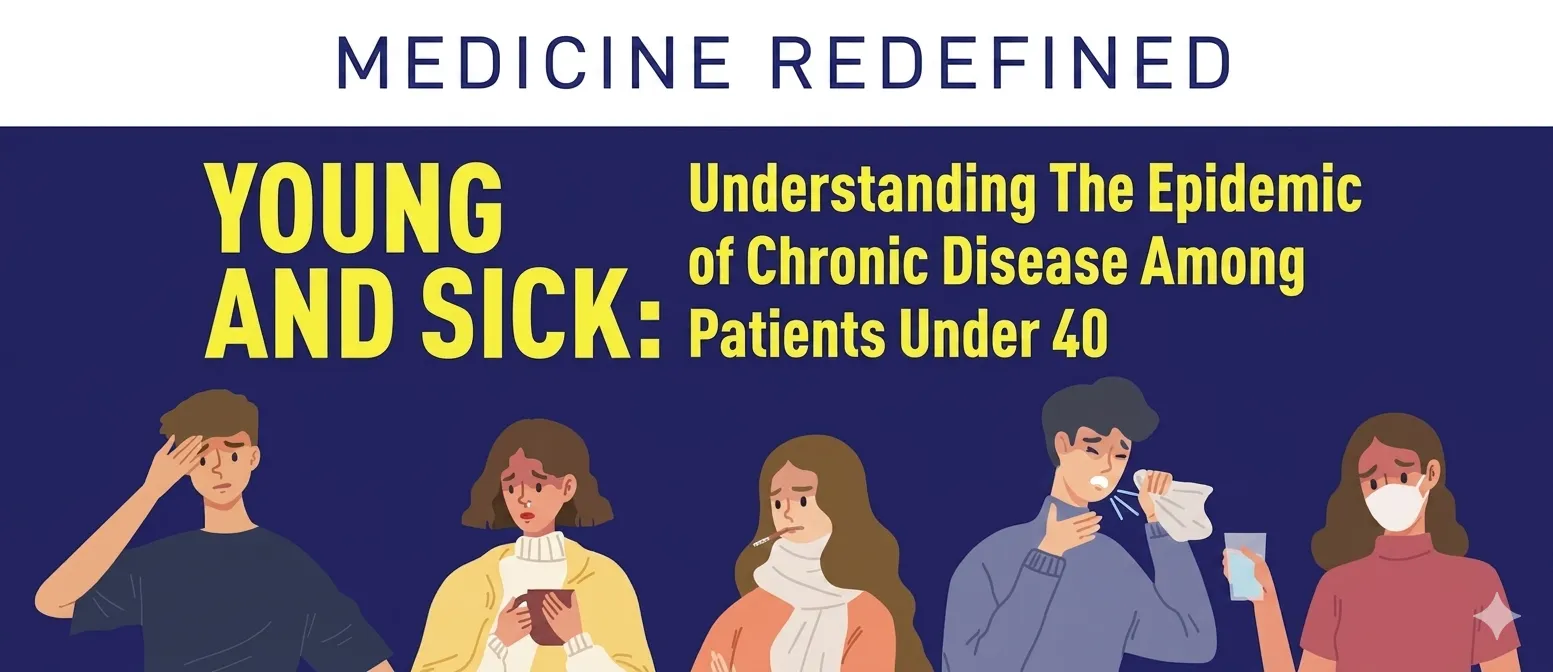
4. Mental Health Disorders
Mental health is one of the most pressing issues in adolescent health:
- Depression and anxiety are leading causes of illness
- Suicide is a leading cause of death among teens
- Many cases remain undiagnosed and untreated
Risk factors include:
- Social isolation
- Poverty and stigma
- Exposure to violence
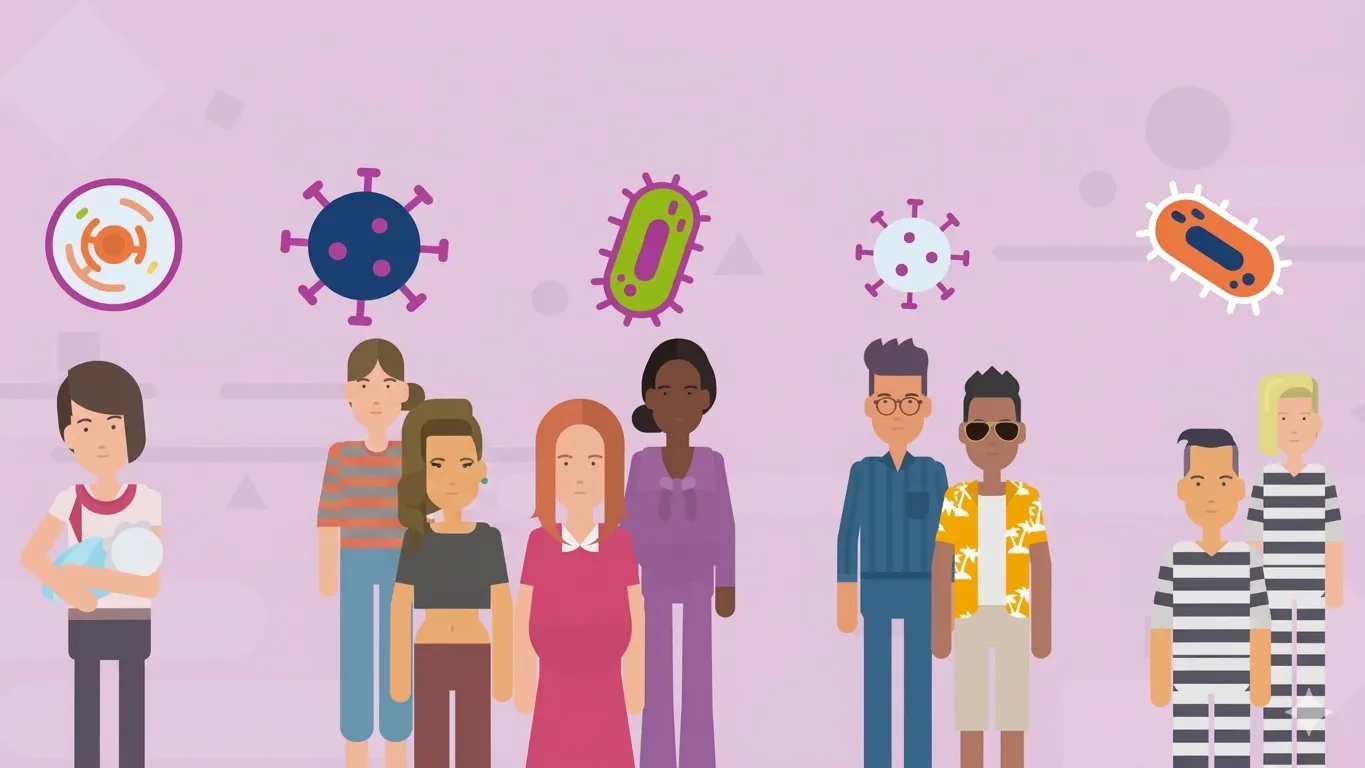
5. Infectious Diseases
Adolescents remain vulnerable to several communicable diseases:
- HIV affects millions of young people globally
- Tuberculosis (TB) continues to impact youth health
- Respiratory infections and diarrheal diseases still contribute to mortality
Vaccination programs, such as the HPV vaccine, play a vital role in prevention but remain underutilized.
6. Early Pregnancy and Reproductive Health
Teen pregnancy remains a significant health and social issue:
- Around 12 million girls aged 15–19 give birth each year
- Complications from pregnancy are a leading cause of death in this group
- Access to sexual and reproductive health education is essential
7. Nutrition and Physical Health
Adolescents face a dual burden of malnutrition:
- Undernutrition increases vulnerability to disease
- Rising rates of overweight and obesity affect long-term health
Other concerns include:
- Iron deficiency anemia
- Poor dietary habits
- Low levels of physical activity (only 1 in 5 adolescents meet guidelines)
8. Environmental Health Risks
Environmental factors also impact adolescent health:
- Air pollution
- Exposure to toxic chemicals
- Climate change effects
- Poor sanitation and water quality
Young people are particularly vulnerable due to ongoing physical development.
Why Adolescent Health Matters
Investing in adolescent health has lifelong benefits. Healthy habits developed during these years can:
- Reduce the risk of chronic diseases
- Improve mental well-being
- Increase life expectancy and productivity
Additionally, early intervention helps prevent long-term health complications and supports healthier adult populations.
Effective Strategies to Improve Adolescent Health
Promote Healthy Lifestyles
- Encourage balanced nutrition and regular physical activity
- Limit screen time and sedentary behavior
Strengthen Mental Health Support
- Improve access to counseling and early diagnosis
- Reduce stigma around mental health
Prevent Risk Behaviors
- Educate about substance abuse and safe behaviors
- Promote road safety and injury prevention
Improve Access to Healthcare
- Provide youth-friendly health services
- Expand vaccination and reproductive health programs
Support Education and Awareness
- Teach life skills and health literacy
- Empower adolescents to make informed decisions
Conclusion
Adolescent and young adult health is a cornerstone of global development. While this age group is generally healthy, preventable risks such as injuries, mental health issues, and unhealthy behaviors pose serious challenges.
By prioritizing education, prevention, and access to care, societies can empower young people to lead healthier, safer, and more productive lives. Investing in adolescent health today ensures a stronger, healthier future for generations to come.