

Staying healthy doesn’t have to be complicated. While conflicting advice can make it hard to know what truly works, many natural health and nutrition tips are strongly supported by scientific evidence.
From improving your diet to optimizing sleep and managing stress, small daily habits can lead to long-term wellness. Here are 27 proven tips to help you boost your overall health naturally.
1. Limit Sugary Drinks
Sugar-sweetened beverages like soda and packaged juices are major contributors to weight gain, type 2 diabetes, and heart disease.
Better choices: water, unsweetened tea, or black coffee.
2. Eat More Nuts and Seeds
Rich in protein, fiber, and healthy fats, nuts and seeds support heart health and may reduce the risk of chronic diseases.
3. Avoid Ultra-Processed Foods
Highly processed foods often contain added sugars, refined oils, and artificial ingredients. These foods are linked to obesity and metabolic disorders.
4. Don’t Fear Coffee
Coffee is loaded with antioxidants and may reduce the risk of several diseases when consumed in moderation (around 3–4 cups daily).
5. Eat Fatty Fish
Fatty fish like salmon are rich in omega-3 fatty acids, which support brain and heart health.
6. Get Enough Quality Sleep
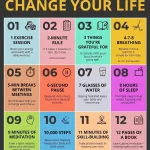
Poor sleep disrupts hormones, increases cravings, and raises the risk of weight gain. Aim for 7–9 hours per night.
7. Support Your Gut Health
A healthy gut microbiome is essential. Improve it by:
- Eating fiber-rich foods
- Consuming fermented foods (e.g., yogurt)
- Considering probiotics when needed

8. Stay Hydrated
Water is essential for energy, metabolism, and brain function. Drink consistently throughout the day.
9. Avoid Burnt or Charred Meat
Overcooked meat may produce harmful compounds linked to cancer risk. Cook at moderate temperatures instead.
10. Reduce Blue Light Exposure Before Bed
Screens emit blue light that interferes with melatonin production. Avoid devices at least 30–60 minutes before sleep.
11. Maintain Healthy Vitamin D Levels
Vitamin D supports immunity, bone health, and mood. Get sunlight exposure or consider supplements if needed.
12. Eat More Fruits and Vegetables
Packed with vitamins, minerals, and antioxidants, fruits and vegetables are essential for longevity and disease prevention.
13. Eat Enough Protein
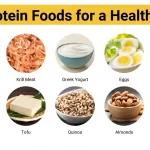
Protein supports muscle repair, metabolism, and satiety. It also helps reduce cravings and maintain a healthy weight.
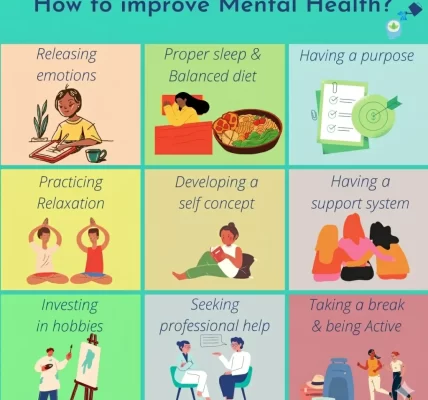
14. Stay Physically Active
Regular exercise improves both physical and mental health. Aim for at least 150 minutes of moderate activity per week.
15. Avoid Smoking and Limit Alcohol
Smoking and excessive alcohol consumption significantly increase the risk of chronic diseases. Reducing or quitting is critical.
16. Use Extra Virgin Olive Oil
A key component of healthy diets, olive oil contains heart-healthy fats and powerful antioxidants.
17. Reduce Added Sugar Intake
High sugar consumption is linked to obesity and metabolic diseases. Keep intake as low as possible.
18. Limit Refined Carbohydrates
Refined carbs like white bread and pastries lack nutrients and can spike blood sugar levels.
19. Incorporate Strength Training
Resistance exercises help build muscle, improve metabolism, and enhance insulin sensitivity.
20. Avoid Artificial Trans Fats
These unhealthy fats are strongly linked to inflammation and heart disease. Always check food labels.

21. Use Herbs and Spices
Natural ingredients like turmeric and ginger offer anti-inflammatory and antioxidant benefits.
22. Build Strong Social Connections
Healthy relationships contribute to both mental and physical well-being and may even increase lifespan.
23. Track Your Food Intake (If Helpful)
Monitoring your diet can improve awareness of calorie and nutrient intake—but avoid becoming overly restrictive.
24. Reduce Belly Fat
Excess abdominal fat increases the risk of heart disease and diabetes. Focus on:
- Balanced diet
- Exercise
- Stress reduction
25. Avoid Extreme Dieting
Restrictive diets often fail long-term. Instead, focus on sustainable lifestyle changes and balanced nutrition.
26. Eat Whole Eggs
Eggs are a nutrient-dense source of protein and are not harmful to heart health for most people.
27. Practice Meditation
Meditation helps reduce stress, improve focus, and support overall health.
Final Thoughts
Improving your health doesn’t require drastic changes. By following these evidence-based nutrition and lifestyle tips, you can build sustainable habits that enhance your energy, longevity, and overall well-being.
Start small, stay consistent, and focus on progress—not perfection.