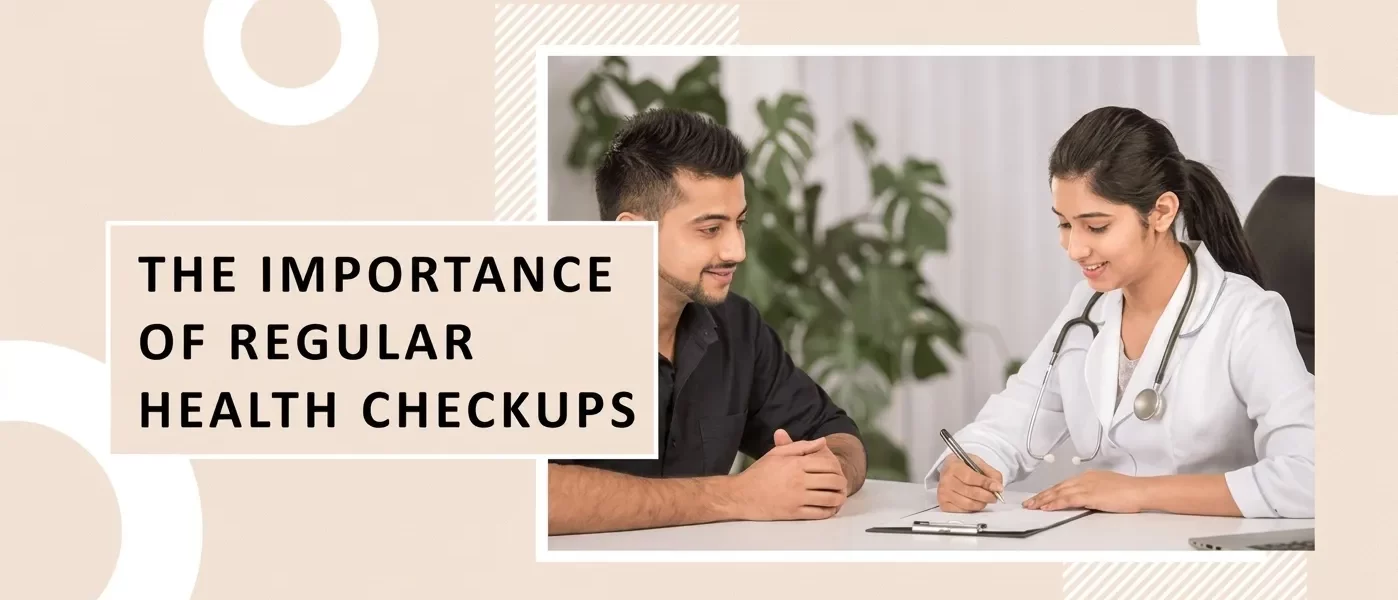

In today’s fast-paced world, many people only visit a doctor when something feels wrong. But what if you could detect health problems before symptoms even appear? That’s exactly the purpose of regular health check-ups.
Conditions like diabetes, high blood pressure, and heart disease often develop silently. Without routine screening, they may go unnoticed until serious complications arise. This is why preventive healthcare is one of the smartest investments you can make for your long-term well-being.
What Is a Regular Health Check-Up?
A regular health check-up is a comprehensive evaluation of your overall health. It goes beyond treating illness—it focuses on early detection, prevention, and monitoring.
Think of it as routine maintenance for your body—just like servicing a car to keep it running efficiently.
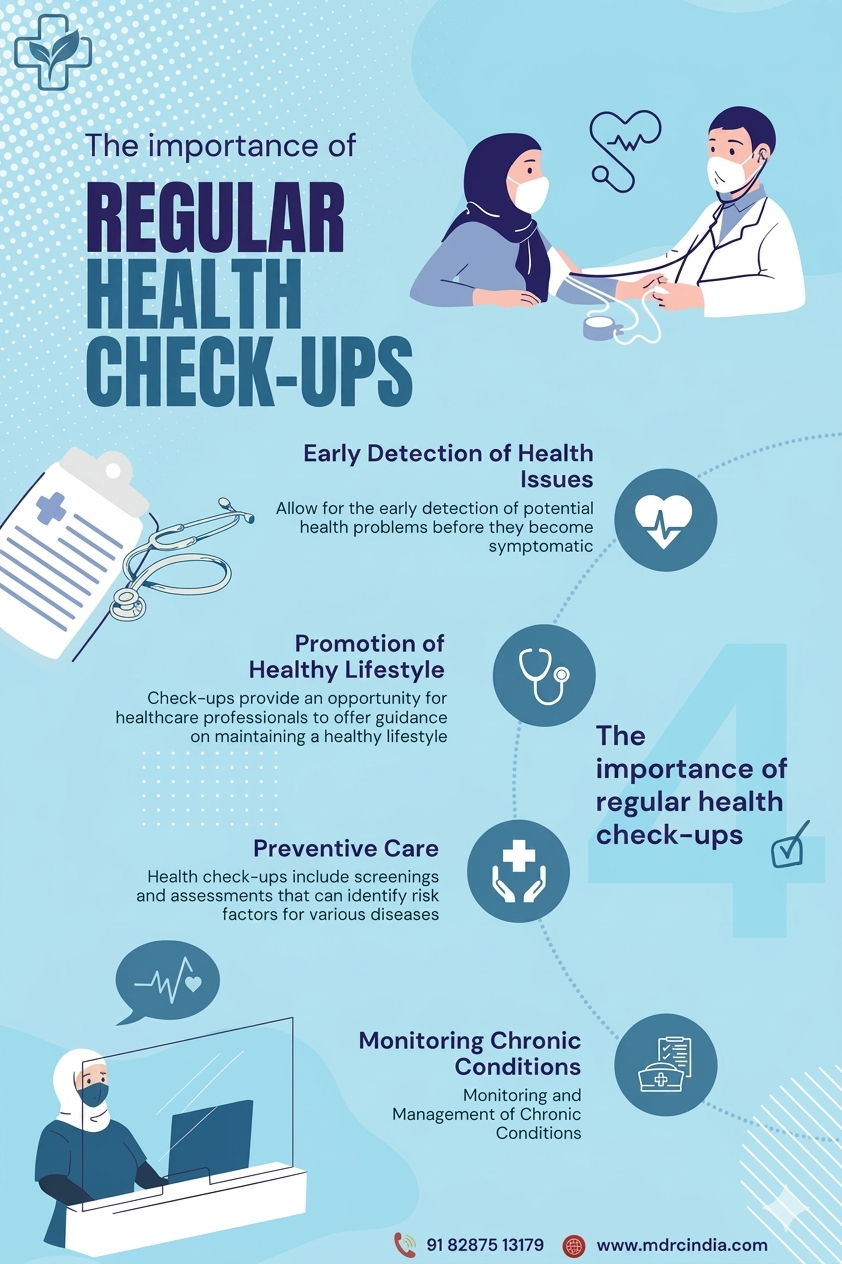
Key Benefits of Regular Health Check-Ups
1. Early Detection of Diseases
Many serious conditions show no symptoms in early stages, including:
- Diabetes
- Hypertension
- Certain cancers
Routine screenings can identify these issues early, allowing for timely treatment and better outcomes.
2. Prevention of “Silent Killers”
Diseases like heart disease and stroke often develop quietly over time. Regular check-ups help detect risk factors before they become life-threatening.
3. Lower Long-Term Healthcare Costs
Preventive care is far more affordable than treating advanced illnesses. Early diagnosis often means:
- Less intensive treatment
- Lower medical expenses
- Reduced hospital visits
4. Improved Lifespan and Quality of Life
Staying proactive about your health helps you:
- Maintain energy and productivity
- Prevent chronic diseases
- Enjoy a more active lifestyle
5. Better Mental Health Monitoring
Health check-ups aren’t just physical—they also support mental well-being.
Doctors can identify signs of:
- Stress
- Anxiety
- Depression
Early intervention can prevent these issues from worsening.
Essential Health Tests You Should Do Regularly
Your screening needs depend on age, lifestyle, and medical history. However, these are the most important routine tests:
1. Blood Pressure Test
Detects hypertension, a major risk factor for heart disease and stroke.
2. Blood Sugar Test
Helps diagnose prediabetes and diabetes early.
3. Cholesterol Profile
Measures HDL (good) and LDL (bad) cholesterol levels, crucial for heart health.
4. Complete Blood Count (CBC)
Evaluates overall health and detects infections, anemia, and blood disorders.
5. Liver and Kidney Function Tests
Ensure your body’s detoxification systems are working properly.
6. Cancer Screenings
- Women: Pap smear, mammogram
- Men: PSA test
- Both: Colonoscopy
7. Heart Health Screening (ECG)
Detects early signs of heart disease and irregular heart rhythms.
8. Bone Density Test
Especially important for women over 40 to detect osteoporosis.
9. Eye and Dental Exams
Identify vision issues, gum disease, and early signs of systemic conditions.
Full Body Check-Up: Why It Matters
A full body check-up provides a complete, in-depth assessment of your health, covering multiple organs and systems.
Key Benefits:
- Early diagnosis of chronic diseases
- Comprehensive health insights (heart, liver, kidneys, hormones)
- Prevention of medical emergencies
- Long-term cost savings
- Personalized health recommendations
It’s a proactive approach to staying ahead of potential health risks.
How Often Should You Get a Health Check-Up?
- Under 30 years old: Every 2–3 years
- 30–50 years old: Every 1–2 years
- Over 50 or with medical conditions: Annually or as advised by your doctor
How to Prepare for a Health Check-Up
To get accurate results:
- Fast for 8–12 hours before blood tests
- Avoid alcohol and caffeine beforehand
- List any symptoms or concerns
- Bring your medical history and medications
Final Thoughts
Regular health check-ups are not just about diagnosing diseases—they are about preventing them. In an era where stress, poor diet, and lifestyle habits affect health daily, proactive care is essential.
Don’t wait for symptoms to appear. By making routine health check-ups part of your lifestyle, you can:
- Detect problems early
- Reduce health risks
- Live a longer, healthier life
Your health is your greatest asset—protect it before it’s too late.