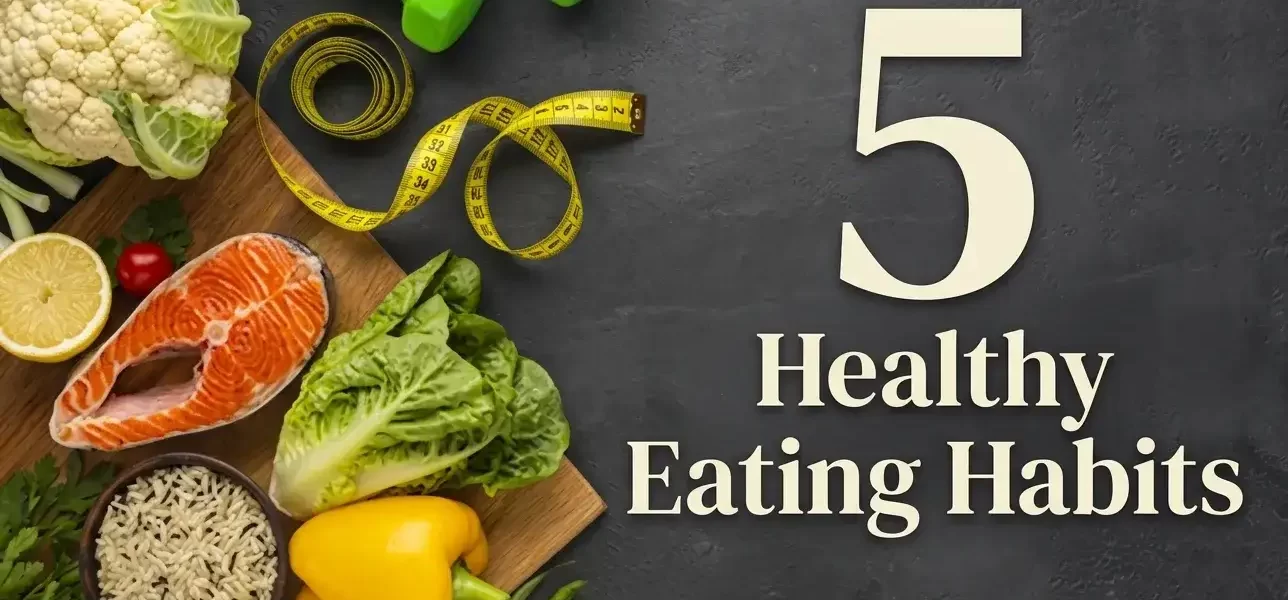

What’s the healthiest way to eat? With so many diets trending—from low-carb to plant-based—it’s easy to feel confused. While nutrition experts may disagree on specific approaches, most evidence-based guidelines share a common foundation.
In fact, all effective and sustainable eating patterns follow the same five core principles of a healthy diet. Understanding these fundamentals can help you make smarter food choices, improve your overall health, and maintain a balanced lifestyle.
Why Healthy Eating Matters
A well-balanced diet does more than support weight management—it plays a crucial role in:
- Boosting energy levels
- Supporting brain function
- Strengthening the immune system
- Reducing the risk of chronic diseases
Rather than focusing on restrictive rules, the key is adopting a flexible, nutrient-rich eating pattern you can maintain long-term.
1. Eat Plenty of Plant-Based Foods 🌱
Plant foods are the foundation of a healthy diet. They are rich in essential nutrients, including:
- Vitamins and minerals
- Dietary fiber
- Antioxidants and phytochemicals
These compounds help reduce inflammation, protect against disease, and support overall well-being.
Examples of nutrient-dense plant foods:
- Vegetables (broccoli, spinach, carrots)
- Fruits (berries, apples, bananas)
- Legumes (beans, lentils, chickpeas)
- Whole grains (brown rice, oats, quinoa)
- Nuts and seeds
Pro Tip: Aim to fill half your plate with fruits and vegetables at each meal to maximize nutrient intake while keeping calories in check.
2. Get Adequate Protein from Healthy Sources
Protein is essential for building and repairing tissues, maintaining muscle mass, and supporting metabolism.
However, not all protein sources are equal.
Healthier protein options include:
- Plant-based proteins (beans, lentils, tofu, nuts, seeds)
- Fish and seafood
- Lean poultry
Research shows that diets lower in red and processed meat are associated with a reduced risk of chronic diseases.
Key takeaway: Combine adequate protein intake with regular physical activity to stay strong and healthy.
3. Choose Whole and Minimally Processed Foods
One of the most important principles of healthy eating is limiting ultra-processed foods.
Highly processed foods often contain:
- Added sugars
- Unhealthy fats
- Excess sodium
- Artificial additives
These can contribute to weight gain, blood sugar imbalances, and heart disease.
Focus on:
- Whole foods (fresh fruits, vegetables, whole grains)
- Minimally processed options (plain yogurt, canned fish, natural nut butter)
Simple rule: The closer a food is to its natural form, the better it is for your health.

4. Limit Added Sugars, Saturated Fats, and Sodium
Even healthy diets require moderation—especially when it comes to certain nutrients.
Recommended limits:
- Added sugar: Less than 10% of daily calories
- Saturated fat: Less than 10% of daily calories
- Sodium: Under 2,300 mg per day
Excess intake of these can increase the risk of:
- Heart disease
- High blood pressure
- Diabetes
Tip: Read nutrition labels and reduce consumption of sugary drinks, processed snacks, and fast food.
5. Focus on Balance and Variety
No single food contains all the nutrients your body needs. That’s why variety is essential.
A balanced diet includes:
- Different food groups
- A wide range of colors and nutrients
- Proper portion sizes
Choosing nutrient-dense foods ensures you get maximum nutrition without excess calories.
Think of it this way: The more diverse your plate, the more complete your nutrition.
Practical Tips for Building a Healthy Diet
To apply these principles in daily life:
- Plan meals around vegetables and whole foods
- Include a protein source in every meal
- Cook more meals at home
- Stay hydrated throughout the day
- Practice mindful eating
Final Thoughts
Healthy eating doesn’t have to be complicated. By following these five simple principles—plant-based foods, adequate protein, minimal processing, moderation, and balance—you can build a sustainable diet that supports long-term health.
Instead of chasing the “perfect diet,” focus on consistency and making better choices over time. Small changes can lead to powerful results.
FAQs About Healthy Eating
1. What is the healthiest diet overall?
There’s no one-size-fits-all diet, but most healthy diets emphasize whole foods, plant-based ingredients, and balanced nutrition.
2. Can I still eat processed foods?
Yes, in moderation. Focus mainly on whole and minimally processed foods for better health outcomes.
3. How can I start eating healthier?
Start small—add more vegetables, reduce sugary drinks, and choose whole foods whenever possible.
4. Is a plant-based diet necessary?
Not necessarily, but increasing plant-based foods can significantly improve your health.
5. How important is portion control?
Very important. Even healthy foods can lead to weight gain if consumed in excess.