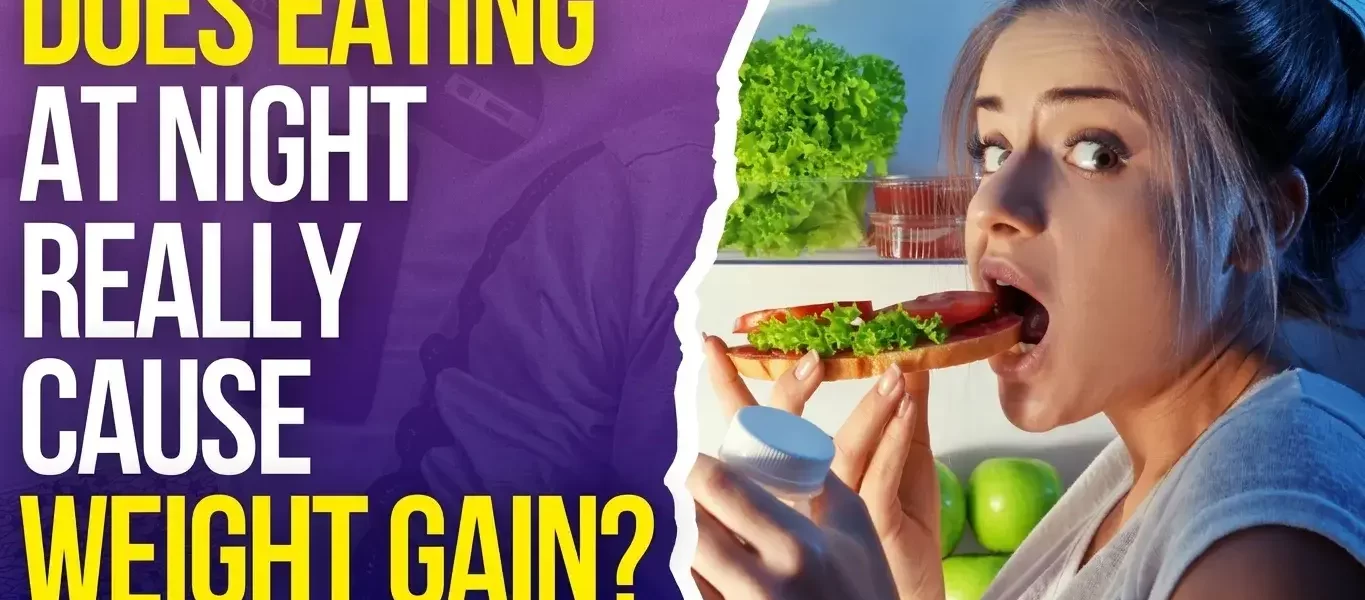
Does Eating Late at Night Cause Weight Gain? (Myth vs. Facts Explained)
 Leo Thompson
Posted on
Leo Thompson
Posted on Many people believe that eating after a certain time—especially after 8 p.m.—automatically leads to weight gain. But is this actually true?
The short answer: it’s not about when you eat, but what and how much you eat.
In this SEO-optimized guide, we’ll break down the science behind late-night eating, your body’s internal clock, and how your habits may affect your weight.
Table of Contents
ToggleUnderstanding Eating and Your Circadian Rhythm
Your body follows a natural 24-hour cycle known as the circadian rhythm, which regulates sleep, metabolism, and energy use.
Some research (especially animal studies) suggests that eating late at night may disrupt this rhythm, potentially affecting how your body processes calories. For example, animals that eat during their “rest phase” tend to gain more weight.
However, human studies show a more nuanced reality:
- Weight gain is primarily linked to total calorie intake
- The timing of meals plays a secondary role
👉 In simple terms:
If you consume more calories than your body needs, you’ll gain weight—regardless of the time of day.
Do Late-Night Eaters Consume More Calories?
Yes, and this is where the real issue lies.
Studies show that people who eat late at night often:
- Consume more total calories
- Snack more frequently
- Choose high-calorie, low-nutrient foods
For example:
- Late eaters may consume hundreds of extra calories per day
- Over time, this surplus can lead to gradual weight gain
👉 So, it’s not the clock—it’s the calorie surplus that matters.

Why Late-Night Eating Leads to Poor Food Choices
Late-night eating is often linked to behavioral and environmental factors, not hunger.
Common reasons include:
- Limited healthy food options at night
- Emotional eating (stress, boredom, anxiety)
- Fatigue, which increases cravings for sugary or fatty foods
When you’re tired, your body produces hormones that:
- Increase hunger
- Reduce self-control
- Drive cravings for energy-dense snacks like chips, soda, or ice cream
Healthy Late-Night Snack Options
If you’re genuinely hungry at night, you don’t need to avoid eating—you just need to choose wisely.
Better snack choices:
- Apple slices with nut butter
- Carrot sticks with hummus
- Air-popped popcorn
- Greek yogurt
- A handful of nuts or frozen grapes
These options are:
- Lower in calories
- Rich in nutrients
- More satisfying
Does Meal Timing Affect Weight Loss?
Meal timing can influence appetite and eating behavior, even if it doesn’t directly cause weight gain.
What research suggests:
- Eating a larger breakfast may reduce cravings later in the day
- Spacing meals strategically can help control hunger
- Some people benefit from smaller, more frequent meals
However, there’s no one-size-fits-all approach. The best strategy is the one that helps you:
- Stay within your calorie needs
- Maintain consistent energy levels
- Avoid overeating
Key Takeaways: Fact vs. Fiction
❌ Myth:
Eating late at night automatically causes weight gain
✅ Fact:
Weight gain happens when you consume more calories than you burn, regardless of timing
Final Thoughts
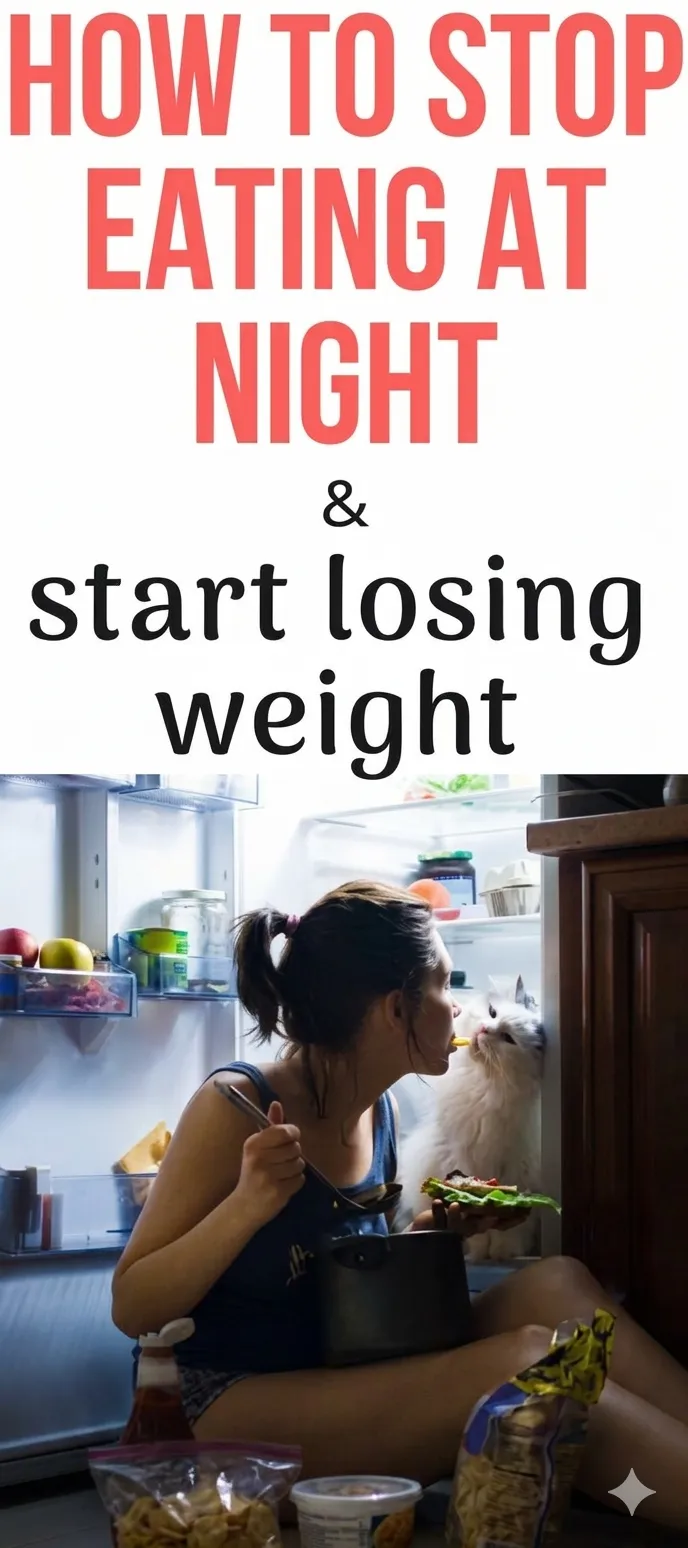
Late-night eating isn’t inherently harmful—but it often comes with habits that can lead to weight gain.
To stay on track:
- Focus on total daily calories
- Choose nutrient-dense foods
- Avoid emotional or mindless eating
- Listen to your true hunger cues
👉 Ultimately, your long-term eating patterns matter far more than the time on the clock.
FAQs
1. Is it okay to eat after 8 p.m.?
Yes. As long as you stay within your daily calorie needs, eating after 8 p.m. won’t automatically cause weight gain.
2. Why do I feel hungrier at night?
This can be due to:
- Poor meal distribution during the day
- Stress or boredom
- Sleep deprivation
3. Can eating late affect sleep?
Yes. Heavy or high-sugar meals close to bedtime may disrupt sleep quality.
If you want, I can also optimize this article further with meta description, keywords, and internal linking structure for your website 🚀