

In today’s nutrition landscape, few topics spark as much debate as the low-carb diet vs. keto diet. Both approaches focus on reducing carbohydrate intake, improving metabolic health, and supporting weight loss—but they are far from identical.
If you’re wondering which one is right for you, this guide breaks down the science, benefits, risks, and best use cases—so you can make a smarter, more sustainable choice.
What Is the Difference Between Low-Carb and Keto?
Although they share similarities, the low-carb diet and ketogenic (keto) diet have distinct goals and structures.
Keto Diet (Ketogenic Diet)
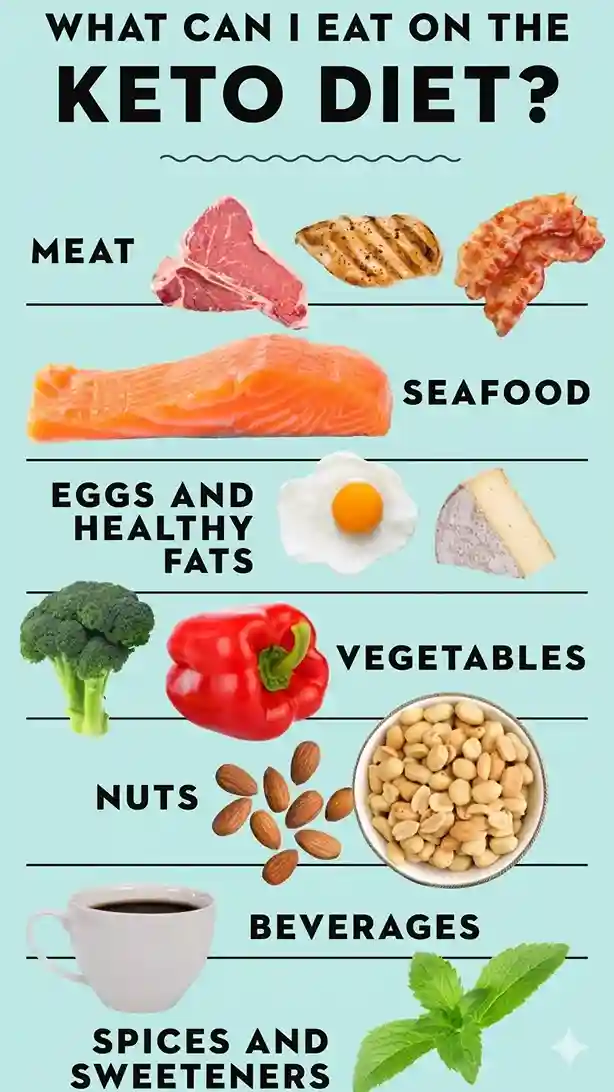
The keto diet is a very low-carb, high-fat eating plan designed to push your body into a metabolic state called ketosis. In ketosis, your body burns fat for fuel instead of glucose.
- Carbs: Extremely low (typically <10% of calories)
- Fat: High (up to 70% of calories)
- Protein: Moderate
- Goal: Enter and maintain ketosis
When carbs are drastically reduced, your body produces ketones from fat stores, which become your primary energy source.
Low-Carb Diet
A low-carb diet is more flexible and focuses on reducing carbs without necessarily reaching ketosis.
- Carbs: Moderate restriction (10–20% of calories)
- Fat: Moderate
- Protein: Higher than keto
- Goal: Improve satiety, reduce calorie intake, and stabilize blood sugar
Unlike keto, low-carb diets don’t require strict tracking or extreme fat intake.
What Happens in Your Body When You Eat Carbs?
Understanding how carbohydrates work helps explain why these diets are effective.
When you consume carbs:
- They break down into glucose
- Blood sugar rises
- The pancreas releases insulin
- Cells absorb glucose for energy
However, excessive intake—especially from refined carbs and sugar—can lead to:
- Weight gain
- Insulin resistance
- Increased risk of type 2 diabetes
This is why reducing carbs has become a popular strategy for improving metabolic health.
Low-Carb vs. Keto: Key Differences at a Glance
| Feature | Low-Carb Diet | Keto Diet |
|---|---|---|
| Carb restriction | Moderate | Very strict |
| Ketosis | Not required | Required |
| Fat intake | Moderate | High |
| Protein intake | High | Moderate |
| Sustainability | Easier long-term | Harder to maintain |
Benefits of a Low-Carb Diet
A low-carb diet is often recommended for long-term health and weight management.
1. Sustainable Weight Loss
Low-carb diets help reduce appetite, making it easier to eat fewer calories without strict tracking.
2. Improved Insulin Sensitivity
Reducing carbs can stabilize blood sugar and lower insulin levels, especially helpful for people with prediabetes.
3. Flexible and Balanced
You can still enjoy a variety of foods, including fruits, whole grains, and legumes in moderation.
Benefits of the Keto Diet
The keto diet can be powerful—but it’s more intense and restrictive.
1. Rapid Fat Burning
Ketosis forces your body to burn fat as its primary fuel, which may accelerate short-term weight loss.
2. May Break Weight Loss Plateaus
If progress stalls on a low-carb diet, switching to keto can sometimes reignite fat loss.
3. Therapeutic Uses
Originally developed for epilepsy, keto is being studied for:
- Neurological conditions
- Hormonal imbalances
- Chronic inflammation
Potential Risks and Side Effects
Low-Carb Diet Risks
- Mild fatigue during adaptation
- Headaches or cravings
- Nutrient imbalance if poorly planned
Keto Diet Risks
- “Keto flu” (fatigue, brain fog, nausea)
- Nutrient deficiencies
- Digestive issues
- Long-term sustainability concerns
Because keto is highly restrictive, it may not be suitable for everyone—especially those with a history of disordered eating.
Who Should Choose a Low-Carb Diet?
A low-carb approach may be ideal if you:
- Want gradual, sustainable weight loss
- Prefer a flexible eating plan
- Are managing blood sugar levels
- Don’t want strict food tracking
👉 This is often the best option for beginners or long-term lifestyle changes.
Who Should Consider the Keto Diet?
Keto may be suitable if you:
- Have hit a weight loss plateau
- Need rapid fat loss (short-term)
- Are under medical supervision
- Can commit to strict dietary rules
👉 Keto works best as a targeted or temporary strategy, not necessarily a lifelong diet.

Important Health Indicators to Consider
Before choosing between low-carb and keto, evaluate these factors:
1. Insulin Resistance
If you have high insulin resistance, reducing carbs can significantly improve metabolic health.
2. Blood Sugar Levels
Elevated fasting glucose may benefit from a low-carb or keto approach.
3. Weight Loss History
- No progress on low-carb? → Consider keto
- Plateau after initial success? → Keto may help
4. Lifestyle and Consistency
The best diet is the one you can stick to long-term.
Final Verdict: Low-Carb vs. Keto
Both diets can support weight loss and improve health—but the right choice depends on your goals.
Choose Low-Carb If:
✔ You want a balanced, sustainable lifestyle
✔ You prefer flexibility
✔ You’re focused on long-term health
Choose Keto If:
✔ You need short-term results
✔ You can handle strict rules
✔ You’re working with a healthcare professional
Key Takeaways
- Both diets reduce carbs—but keto is far more restrictive
- Low-carb is easier to maintain and better for long-term success
- Keto may deliver faster results but comes with higher risks
- Personalization is key—your body, goals, and lifestyle matter most
Final Advice
Before making major dietary changes—especially with keto—consult a healthcare provider or registered dietitian.
A well-designed plan tailored to your needs will always outperform any trending diet.