

In the world of SEO and content marketing, the phrase “ultimate guide” has become almost unavoidable. From digital marketing to fitness, nearly every niche is flooded with articles claiming to be the best and most complete resource available.
But here’s the reality: simply calling your content an “ultimate guide” doesn’t make it one.
If you want to create content that ranks high on search engines, attracts readers, and drives real results, you need to go beyond the title. This guide will show you exactly how to create a true ultimate guide that delivers value, builds authority, and converts traffic into results.
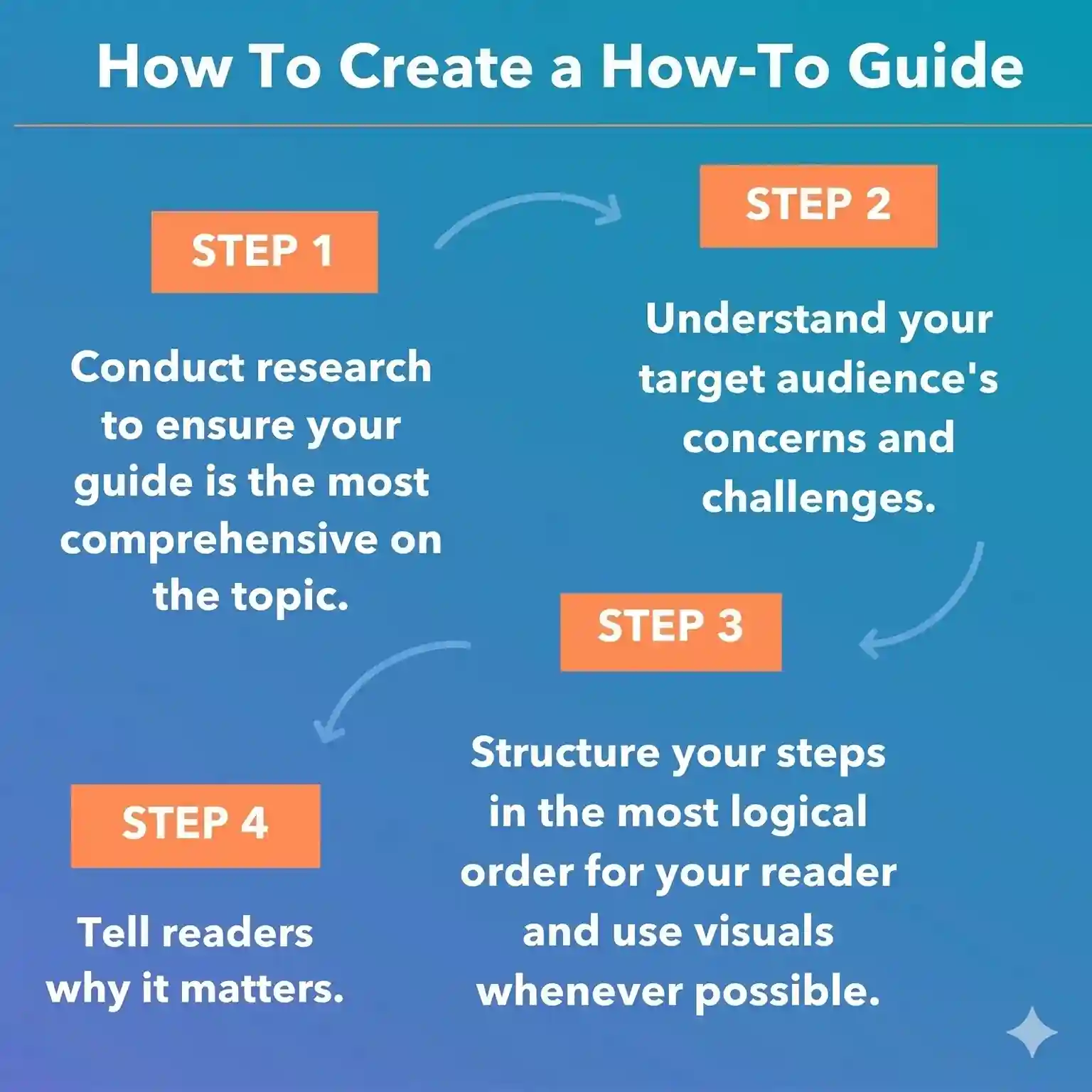
What Is an “Ultimate Guide” (Really)?
An ultimate guide is not just a long article filled with tips. It’s a comprehensive, well-structured resource that fully answers a user’s query and provides actionable insights.
The key element isn’t length—it’s value.
A true ultimate guide should:
Cover a topic in depth
Answer all major user questions
Provide actionable steps
Offer unique insights or perspectives
Why Most “Ultimate Guides” Fail
Many content creators assume that longer content automatically performs better. While depth is important, adding unnecessary information can reduce clarity and user experience.
Common mistakes include:
Writing overly long, unfocused content
Repeating information already available elsewhere
Adding “fluff” instead of real insights
Ignoring user intent
The goal is not to create more content—but to create better content.
Step 1: Define a Clear Purpose
Before you start writing, identify your primary goal.
Ask yourself:
Do you want to educate your audience?
Build trust and authority?
Generate leads or sales?
Your objective will shape your entire content strategy. A successful ultimate guide is not just about traffic—it’s about conversion and ROI (Return on Investment).
Step 2: Choose the Right Keywords
Not every keyword deserves an ultimate guide.
The best topics are:
Broad enough to require in-depth explanation
Complex enough to benefit from detailed guidance
Aligned with user intent
For example:
“Best restaurants in a city” → better as a listicle
“How to start a business” → ideal for an ultimate guide
Before committing, consider:
Can you provide significantly more value than existing content?
Are there already too many similar guides?
Does the topic justify a comprehensive format?
Step 3: Analyze Your Competitors
Once you’ve chosen your keyword, study the top-ranking articles.
Look for:
What they do well
What information they miss
Opportunities to improve or expand
Your goal is to create something at least twice as valuable as what already exists.
This means:
Filling content gaps
Adding new insights
Improving structure and readability
Step 4: Understand Your Audience
The best content answers real questions—not assumptions.
Instead of guessing, gather insights directly from your audience:
Ask questions on social media
Send surveys via email
Analyze comments and feedback
Useful questions include:
What challenges are you facing with this topic?
What do you wish existing guides explained better?
What solutions have you already tried?
This ensures your guide is relevant, practical, and engaging.
Step 5: Add Data, Examples, and Case Studies
Credibility is critical for SEO and user trust.
Support your content with:
Real-world examples
Case studies
Verified statistics
Benefits of doing this:
Builds authority
Increases trust
Helps readers apply your advice
This aligns with Google’s E-E-A-T principles:
Experience, Expertise, Authoritativeness, and Trustworthiness.
Step 6: Make Your Content Actionable
An ultimate guide should not just inform—it should help users take action.
For every section, ask:

What can the reader do after reading this?
Include:
Step-by-step instructions
Practical tips
Clear next steps
For example, instead of saying:
“Plan your trip carefully”
Say:
How to set a budget
How to book flights
How to choose accommodation
Actionable content improves user experience and increases conversion rates.
Step 7: Invest in Design and User Experience
Great content deserves great presentation.
Enhance your guide with:
Clean, readable formatting
High-quality images
Infographics
Embedded videos
Benefits:
Keeps readers engaged
Improves shareability
Strengthens brand perception
A visually appealing guide is more likely to be remembered and shared.
Step 8: Include a Content Upgrade
Once your guide starts attracting traffic, maximize its value.
A content upgrade is an extra resource offered in exchange for user action (e.g., email signup).
Examples:
Free ebook
Templates or checklists
Email courses
Discount codes
Exclusive content
This helps you turn passive readers into leads and long-term customers.
Final Thoughts
Creating a true ultimate guide is not about adding more words or using a catchy title. It’s about delivering exceptional value.
To succeed, focus on:
Clear purpose and strategy
The right keyword selection
Deep audience understanding
Actionable, well-researched content
Strong design and user experience
If you can provide more value than your competitors, your content won’t just rank—it will stand out, engage readers, and drive real results.
Remember: The best ultimate guide isn’t the longest one—it’s the one that solves the reader’s problem better than anyone else.