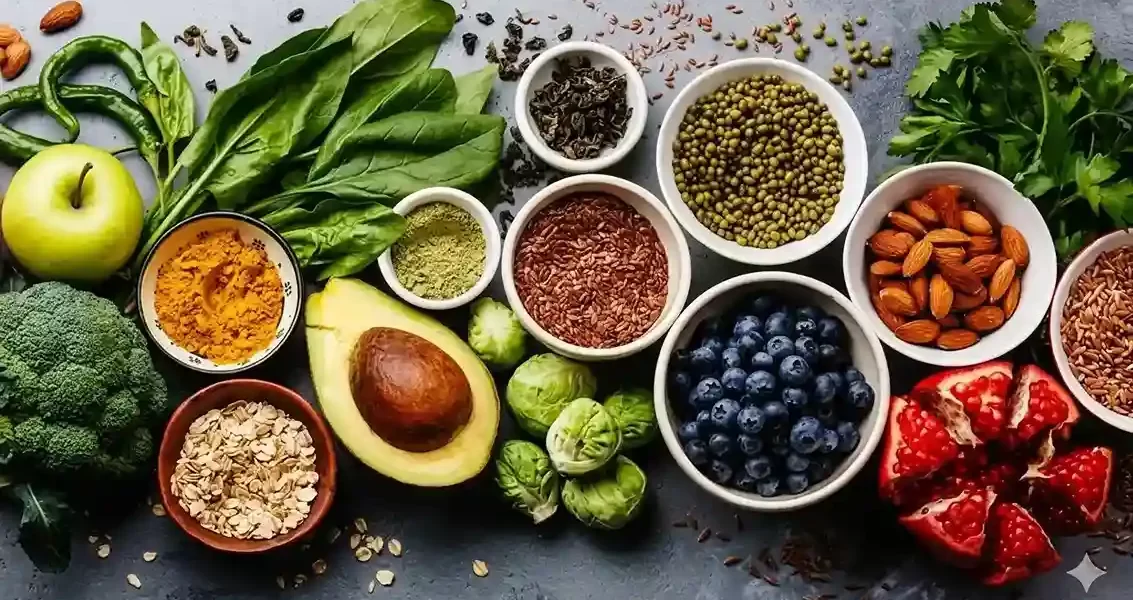

Achieving and maintaining a healthy weight isn’t about strict dieting—it’s about making smarter, sustainable food choices. Incorporating nutrient-dense, satisfying foods into your meals can help control hunger, boost metabolism, and support overall health.
In this guide, we’ll explore 16 of the best foods for weight management, along with practical tips to help you build a balanced, effective eating plan.
Why Food Choice Matters for Weight Management
Weight management is influenced by more than just calories. The quality of your food plays a major role in:
- Satiety (feeling full longer)
- Blood sugar balance
- Metabolism and fat burning
- Nutrient intake
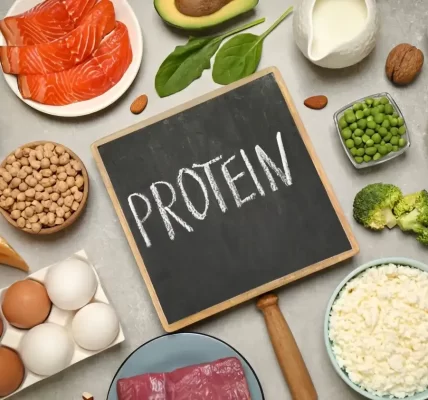
Foods rich in protein, fiber, and healthy fats are especially helpful because they reduce cravings and support long-term results.
16 Best Foods to Support Healthy Weight Loss
1. Eggs
Eggs are highly nutritious and rich in protein and healthy fats.
- Benefits: Increase fullness and reduce calorie intake later in the day
- Best for: Breakfast to control appetite
2. Leafy Greens
Examples include spinach, kale, and collard greens.
- Benefits: Low in calories, high in fiber and water
- Why they help: Keep you full without adding excess calories
3. Fish
Fatty fish like salmon are rich in protein and omega-3 fatty acids.
- Benefits: Support metabolism and thyroid function
- Result: Longer-lasting satiety
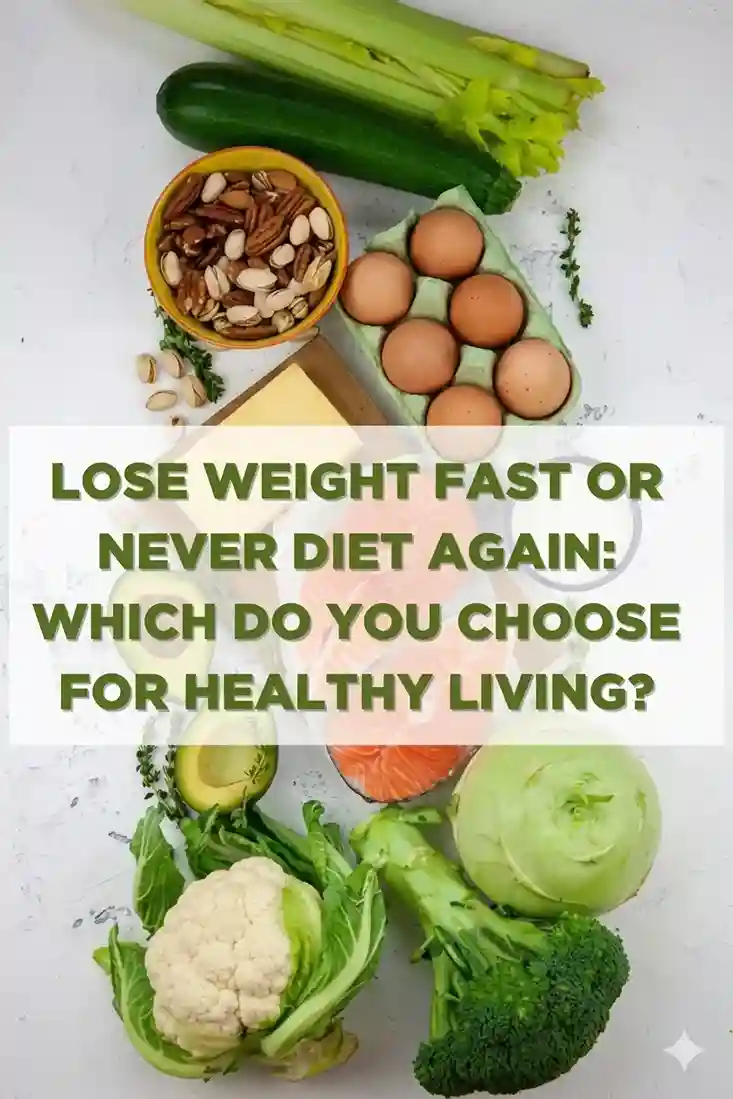
4. Cruciferous Vegetables
Includes broccoli, cauliflower, and cabbage.
- Benefits: High fiber, low calorie
- Best use: Add volume to meals without extra calories
5. Chicken Breast & Lean Meats
Skinless chicken and lean beef cuts are excellent protein sources.
- Benefits: Preserve muscle mass and support fat loss
- Tip: Grill, bake, or roast instead of frying
6. Potatoes & Root Vegetables
Especially boiled potatoes.
- Benefits: Extremely filling (high satiety index)
- Bonus: Cooling them creates resistant starch, aiding weight control
7. Beans and Legumes
Includes lentils, black beans, and kidney beans.
- Benefits: High in protein and fiber
- Effect: Reduce hunger and improve digestion
8. Soups
Especially broth-based or vegetable soups.
- Benefits: Promote mindful eating and fullness
- Tip: Eat before meals to reduce total calorie intake
9. Cottage Cheese
A low-calorie, high-protein dairy option.
- Benefits: Keeps you full and supports muscle maintenance
- Nutrients: Rich in calcium
10. Avocados
Packed with healthy fats, fiber, and water.
- Benefits: Increase satiety and nutrient absorption
- Note: Eat in moderation due to high calorie content
11. Nuts
Includes almonds, walnuts, and pistachios.
- Benefits: Support heart health and metabolism
- Tip: Stick to small portions (about 1 ounce)
12. Whole Grains
Examples include oats, brown rice, and quinoa.
- Benefits: High in fiber and protein
- Why better: More filling than refined grains
13. Chili Peppers
Contain capsaicin, a compound linked to fat metabolism.
- Benefits: May boost metabolism and reduce appetite
14. Fruits
Such as apples, berries, and oranges.
- Benefits: Naturally sweet, low in calories, high in fiber
- Tip: Eat whole fruits instead of juice
15. Chia Seeds
Tiny seeds packed with nutrients.
- Benefits: High in fiber and omega-3s
- Effect: Promote fullness and reduce calorie intake
16. Greek Yogurt
A protein-rich dairy option with probiotics.
- Benefits: Supports gut health and satiety
- Tip: Choose plain varieties to avoid added sugar
Smart Tips for a Successful Weight Journey
To get the most out of these foods, follow these strategies:
1. Focus on Whole, Minimally Processed Foods
Whole foods provide more nutrients and keep you fuller longer.
2. Balance Your Plate
Include:
- Protein (chicken, fish, beans)
- Fiber (vegetables, whole grains)
- Healthy fats (nuts, avocado)
3. Practice Portion Control
Even healthy foods can lead to weight gain if eaten excessively.
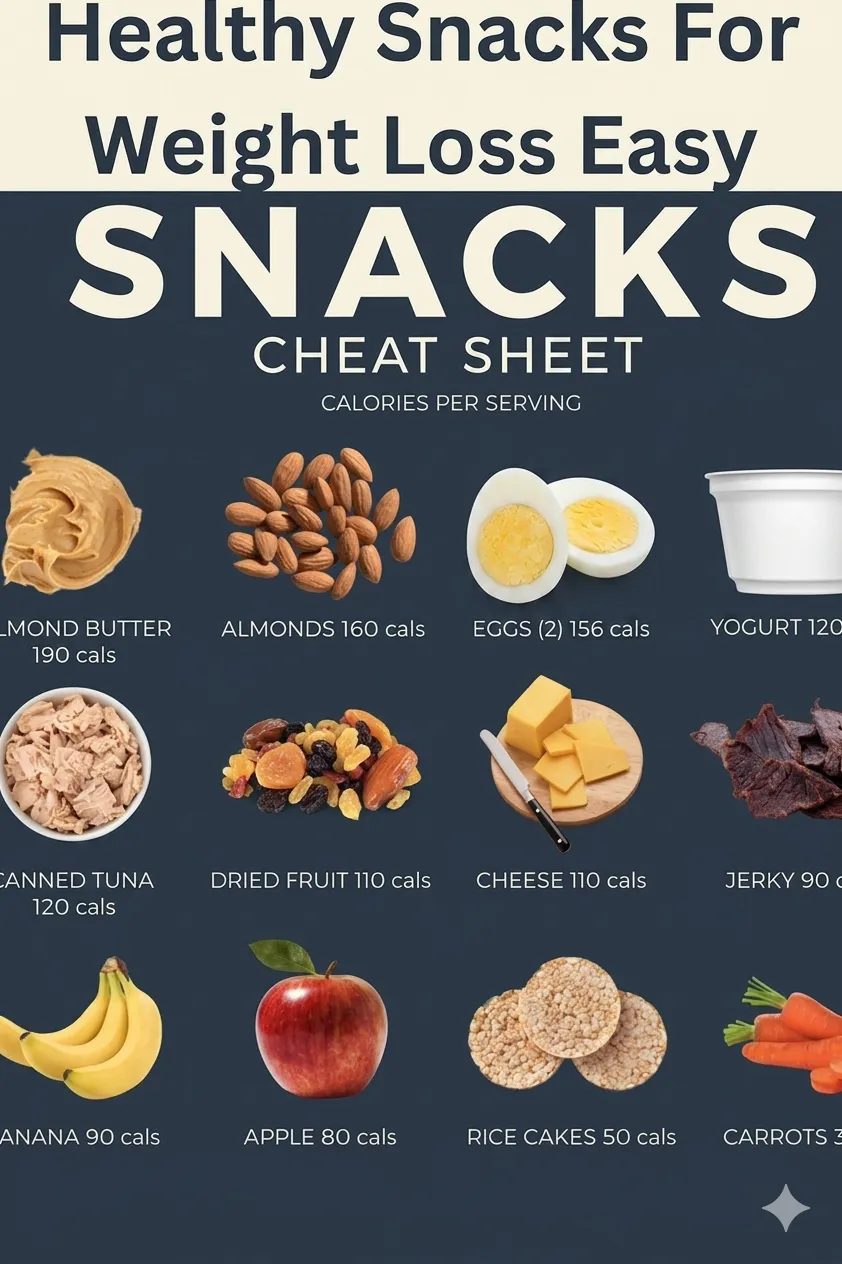
4. Eat Mindfully
Slow down and pay attention to hunger and fullness cues.
Common Mistakes to Avoid
- Skipping meals (can lead to overeating later)
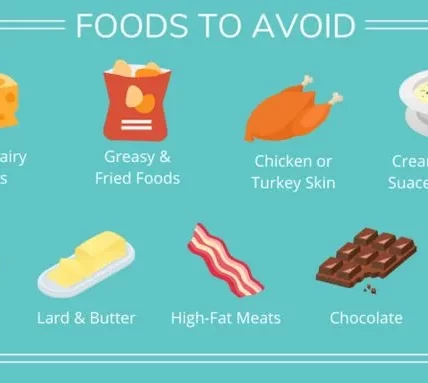
- Relying on ultra-processed “diet” foods
- Cutting out entire food groups unnecessarily
- Ignoring hydration
Final Thoughts
A healthy weight journey isn’t about restriction—it’s about choosing foods that nourish your body and keep you satisfied.
By incorporating these 16 nutrient-rich foods into your diet, you can build sustainable habits that support long-term health, energy, and well-being.
👉 Start simple: swap processed snacks for whole foods, add more vegetables to your meals, and prioritize protein at every meal.
Frequently Asked Questions
What foods are best for weight loss?
Foods high in fiber and protein—like vegetables, fruits, legumes, and lean meats—are ideal because they keep you full longer.
How fast can you lose weight safely?
A healthy rate is about 1–2 pounds (0.5–1 kg) per week, depending on your body and lifestyle.