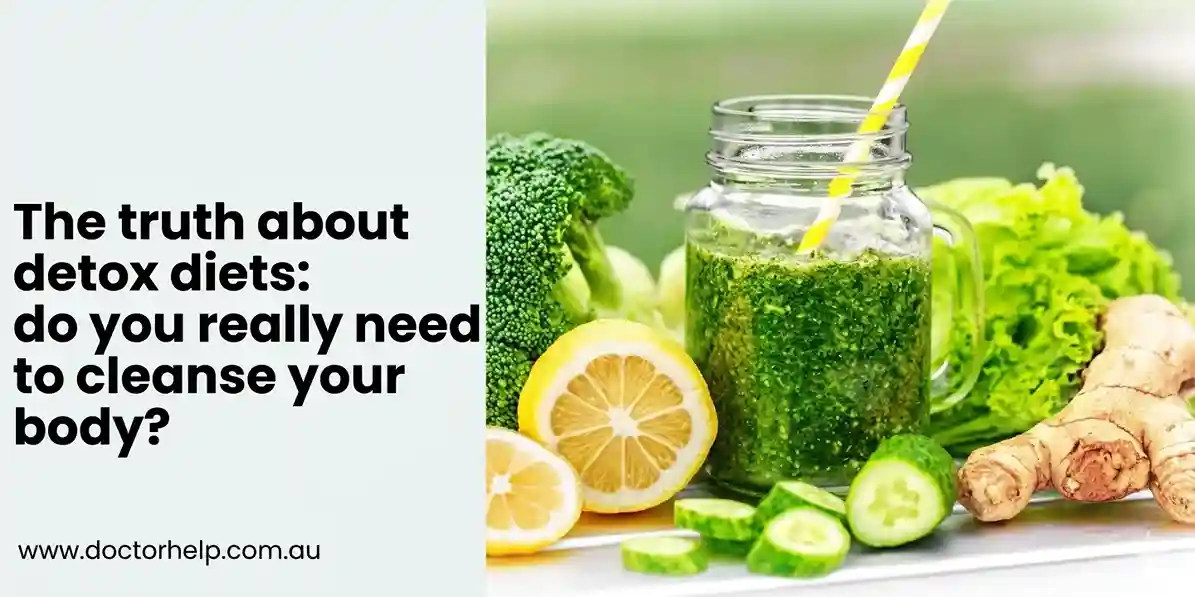

Looking to lose weight, boost energy, sleep better, or feel healthier overall? You’ve probably come across detox diets, cleanses, and supplements claiming to be the ultimate solution. From juice cleanses to “liver detox” pills, these products promise to remove toxins and transform your health.
But do detoxes actually work—or are they just another wellness myth?
Let’s break down the science behind detoxing, what your body really needs, and how to support your health safely.
What Does “Detox” Really Mean?
A detox refers to removing harmful substances—commonly called toxins—from the body. These toxins can come from food, the environment, or medications.
Here’s the truth:
👉 Your body already has a built-in detox system.
Your liver, kidneys, lungs, and digestive system work continuously to filter and eliminate waste. For example:
- The liver processes chemicals and toxins
- The kidneys remove waste through urine
- The digestive system eliminates toxins through bowel movements
In a healthy individual, this system works efficiently without the need for detox products.
Do Detox Diets and Cleanses Work?
Despite their popularity, most detox diets and cleanses lack scientific evidence.
Many products—such as detox teas, supplements, and smoothie cleanses—claim to:
- Flush toxins
- Boost metabolism
- Improve energy levels
However, research shows:
- There is little to no clinical evidence supporting these claims
- Any short-term benefits often come from eating healthier or reducing calories, not from “detoxing”
In fact, some detox methods can do more harm than good.
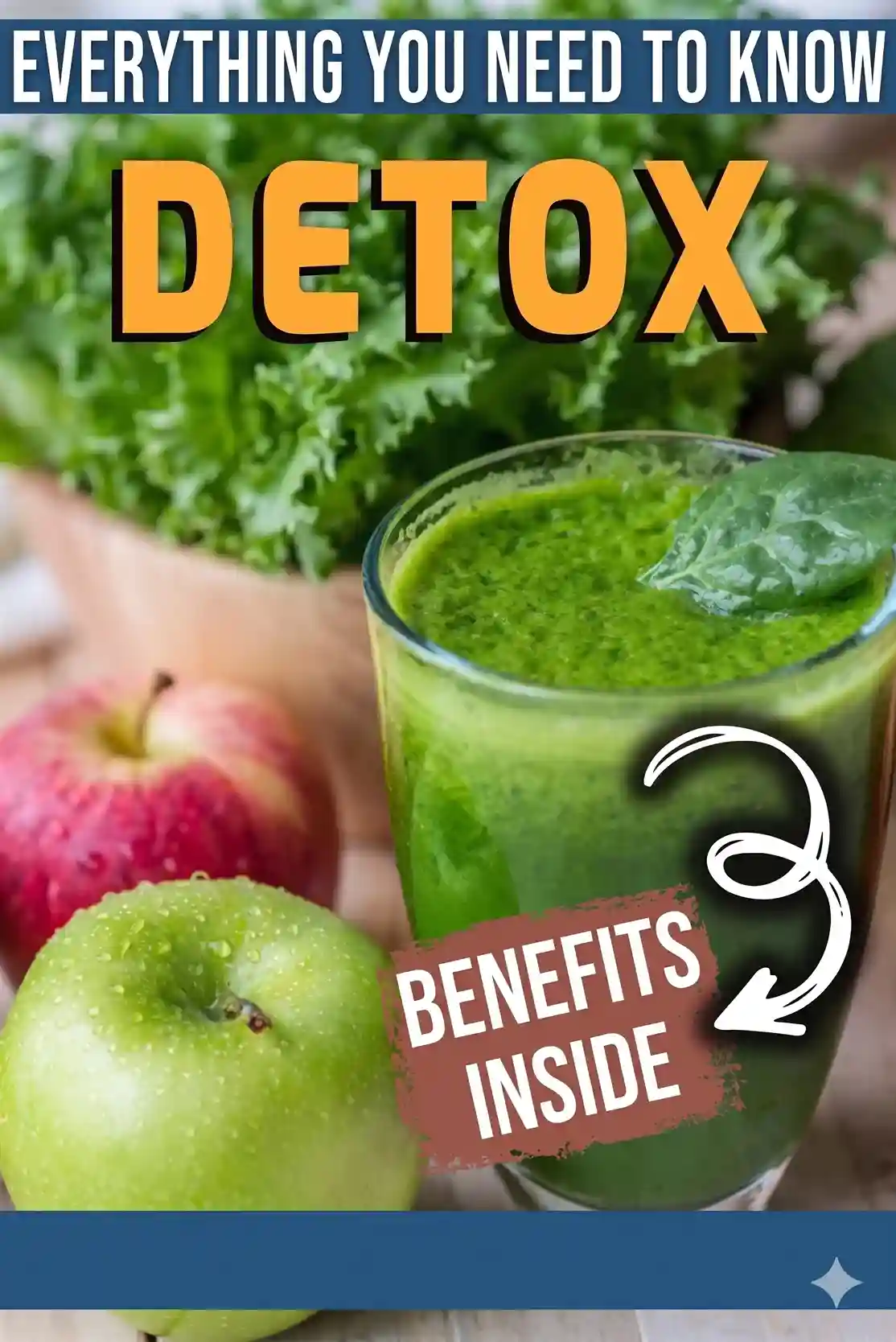
Do Toxins Build Up in the Body?
For most healthy people, the answer is no.
Your body naturally prevents toxin buildup through its internal systems. There’s no scientific basis for the idea that toxins accumulate and require external cleansing.
When Could It Be a Concern?
If you have conditions affecting your:
- Liver
- Kidneys
- Metabolism
…then your body may struggle to process toxins—but this requires medical treatment, not over-the-counter detox products.
Are Detox Supplements Safe?
This is where things get risky.
Many detox supplements and herbal products:
- Are not strictly regulated
- May contain unknown or mislabeled ingredients
- Can interact negatively with your body
Even products labeled “natural” aren’t automatically safe.
👉 Important reminder:
“Natural” does not mean harmless. Some natural substances can be toxic or dangerous.
There have been cases of serious liver damage linked to certain detox supplements, especially those containing multiple herbal ingredients.
Are Detox Products FDA Approved?
Most detox supplements are classified as dietary supplements, which means:
- They do not require the same approval process as medications
- Their safety and effectiveness are not guaranteed
This lack of regulation makes it difficult to know:
- What’s actually in the product
- How your body will react
Is There Any Real Benefit to Detoxing?
Any perceived benefits from detox products are often due to:
- Improved diet
- Increased hydration
- More physical activity
In other words, it’s your lifestyle changes—not the detox product—that make the difference.
Some people may experience a placebo effect, meaning they feel better simply because they believe the detox is working.
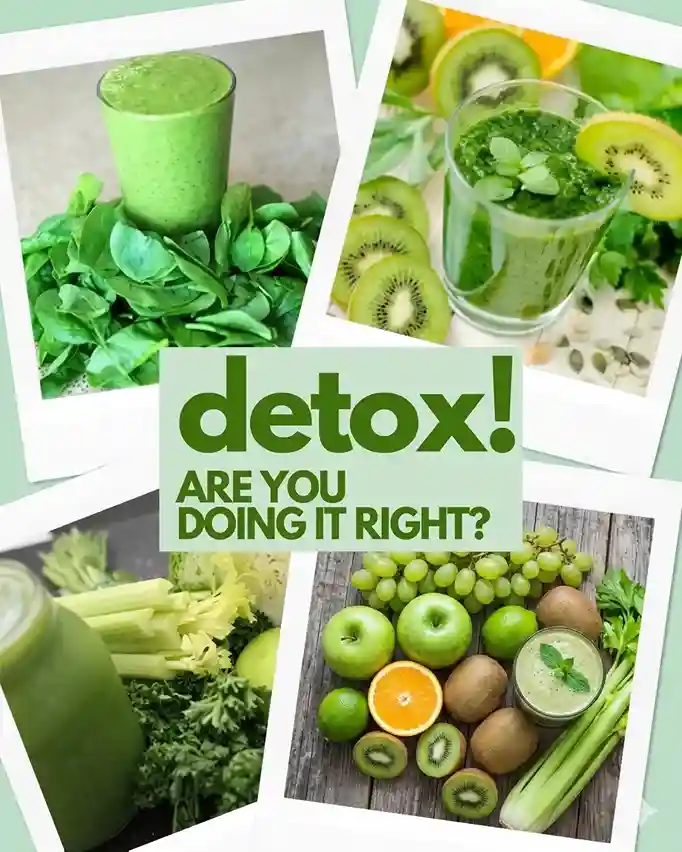
How to Detox Your Body Safely (The Right Way)
Instead of relying on expensive cleanses, focus on evidence-based habits that support your body’s natural detox process.
1. Eat a Balanced, Whole-Food Diet
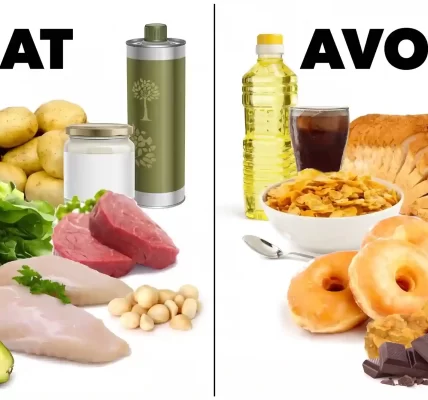
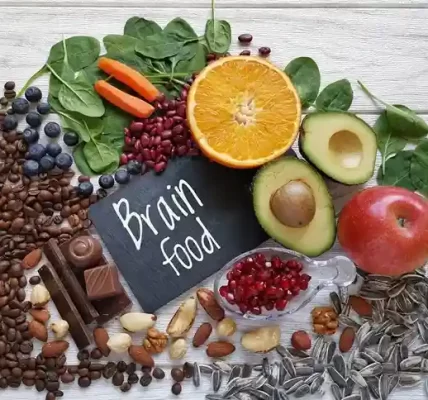
- Choose fruits, vegetables, whole grains, and lean protein
- Avoid ultra-processed foods and excess sugar
2. Stay Hydrated
Water helps your kidneys flush out waste efficiently.
3. Exercise Regularly
Physical activity improves circulation, metabolism, and overall health.
4. Limit Alcohol Intake
Excess alcohol can overload your liver and impair its detox function.
5. Maintain a Healthy Weight
Conditions like fatty liver disease are linked to:
- Obesity
- High cholesterol
- Diabetes
Managing these factors supports your body’s natural detox system.
Can Detox Diets Help with Weight Loss?
Some detox diets may lead to short-term weight loss, but this is often due to:
- Calorie restriction
- Water loss
These results are usually not sustainable and can even slow metabolism over time.
Should You Talk to a Doctor Before Detoxing?
Yes—always.
Before starting any detox program, especially one involving supplements or extreme dietary changes, consult a healthcare professional.
This is particularly important if you:
- Have existing medical conditions
- Take medications
- Experience symptoms like fatigue, weight gain, or digestive issues
These symptoms may signal underlying health problems that require proper diagnosis—not detox products.
The Bottom Line: Is Detoxing Good for You?
👉 No—at least not in the way it’s marketed.
Your body already detoxes itself naturally. Most detox products:
- Are unnecessary
- Lack scientific support
- May even pose health risks
What Actually Works:
✔ Healthy eating
✔ Regular exercise
✔ Hydration
✔ Limiting alcohol
✔ Medical guidance when needed
Final Thoughts
The idea of a quick detox fix is appealing—but real health doesn’t come from shortcuts. It comes from consistent, sustainable habits.
If you’re considering detoxing, take it as a signal to evaluate your lifestyle—not to buy expensive supplements.
Your body already knows how to detox. Your job is simply to support it.