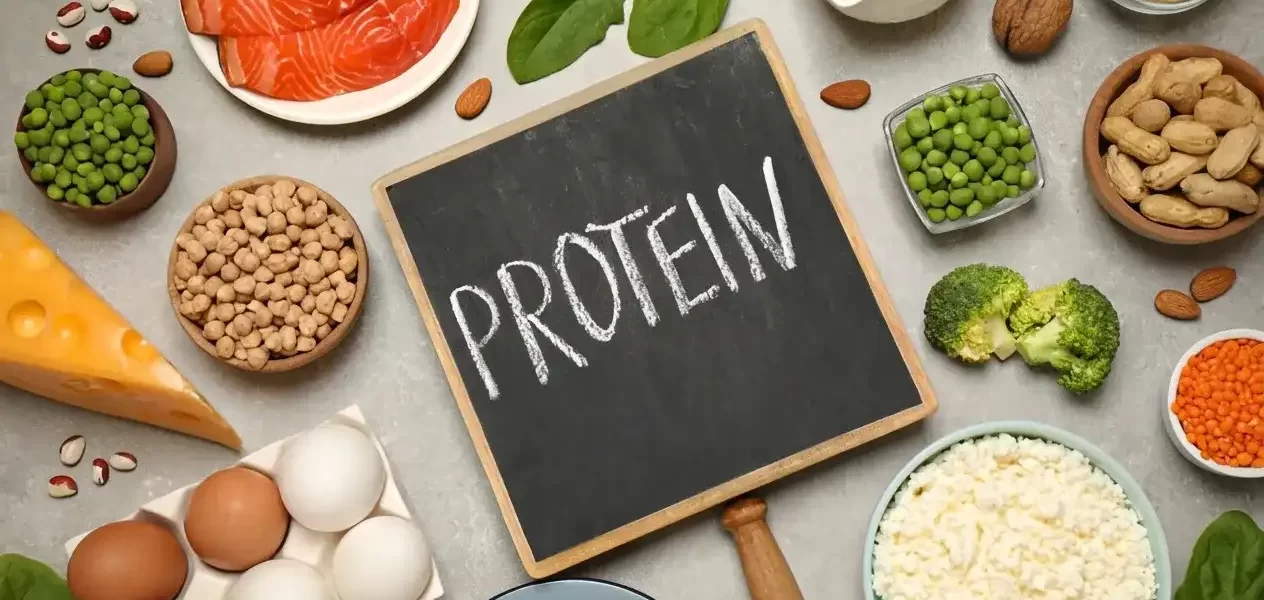

Getting enough protein every day is essential for maintaining energy, building muscle, and supporting overall health. Whether your goal is weight management, muscle growth, or simply feeling fuller for longer, choosing the right high-protein foods can make a significant difference.
In this guide, you’ll discover 16 delicious high-protein foods, their benefits, and how to include them in your daily diet.
Why Protein Is Important
Protein is a vital macronutrient made up of amino acids—the building blocks your body needs for:
- Muscle growth and repair
- Hormone production
- Immune system support
- Enzyme function and metabolism
Since your body cannot produce all essential amino acids on its own, it’s crucial to get enough protein from food.
Recommended intake: Around 0.8 g of protein per kg of body weight (minimum), though active individuals may need more.
16 High-Protein Foods You Should Add to Your Diet
1. Eggs
Eggs are one of the most complete and bioavailable protein sources.
- Protein: 6.3g per large egg
- Benefits: Rich in vitamins, antioxidants, and healthy fats
2. Almonds
A nutrient-dense snack packed with protein and healthy fats.
- Protein: 6g per ounce
- Benefits: Supports heart health and reduces bad cholesterol
3. Chicken Breast
A lean, high-quality protein ideal for muscle building.
- Protein: 26.7g per 86g
- Benefits: High in B vitamins, zinc, and selenium
4. Cottage Cheese
Low in fat but high in protein and essential nutrients.
- Protein: 28g per cup
- Benefits: Excellent for bone health due to calcium content
5. Greek Yogurt
Thick, creamy, and protein-rich dairy option.
- Protein: 19.9g per 200g
- Benefits: Supports gut health and digestion
6. Milk
A well-balanced source of protein, vitamins, and minerals.
- Protein: 8.3g per cup
- Benefits: Provides calcium and supports bone strength
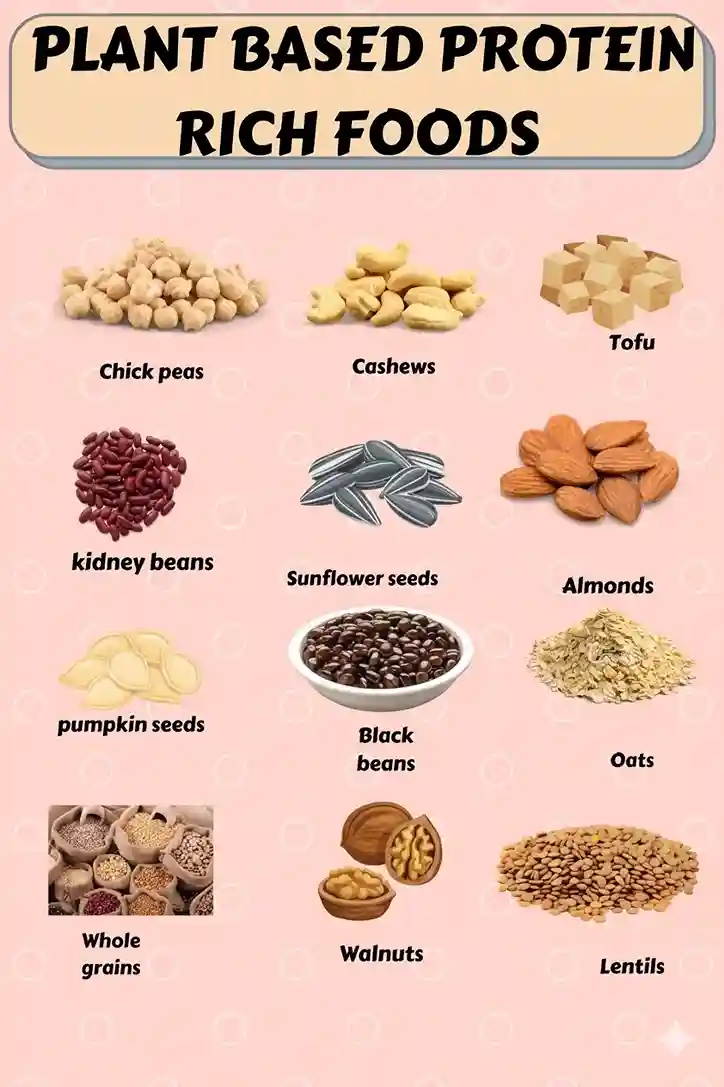
7. Lentils
One of the best plant-based protein sources.
- Protein: 9g per 100g cooked
- Benefits: High in fiber, iron, and heart-healthy nutrients
8. Lean Beef
A powerful source of protein and iron.
- Protein: 24.6g per 85g
- Benefits: Supports muscle growth and oxygen transport
9. Fish
Rich in protein and omega-3 fatty acids.
- Protein: Up to 30–40g per serving
- Benefits: Promotes heart and brain health
10. Quinoa
A plant-based “complete protein” containing all essential amino acids.
- Protein: 8g per cup cooked
- Benefits: Gluten-free and rich in fiber and minerals
11. Protein Powders
Convenient option for busy lifestyles.
- Protein: 15–25g per scoop
- Benefits: Easy way to boost daily protein intake
12. Whole Grain Bread (e.g., Sprouted Bread)
More nutritious than refined bread.
- Protein: ~6g per slice
- Benefits: Higher in fiber and nutrients
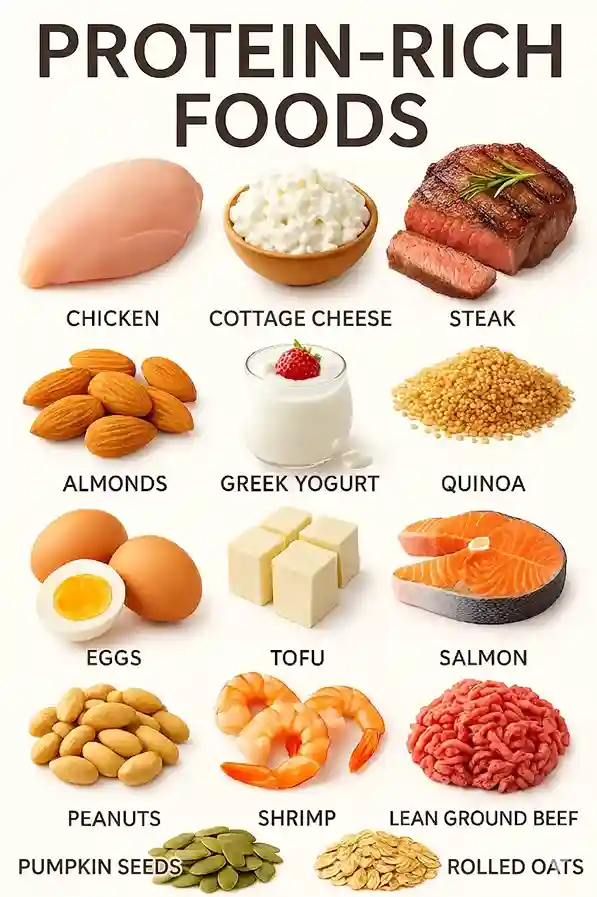
13. Pumpkin Seeds
Small but packed with nutrients.
- Protein: 8.8g per ¼ cup
- Benefits: Rich in magnesium, iron, and zinc
14. Turkey Breast
Lean and low-calorie protein source.
- Protein: 25.6g per 85g
- Benefits: Supports muscle maintenance
15. Shellfish
Includes shrimp, clams, and oysters.
- Protein: ~20g per serving
- Benefits: High in vitamin B12 and minerals
16. Peanuts & Peanut Butter
A satisfying, protein-rich snack.
- Protein: ~7g per serving
- Benefits: Helps control hunger and stabilize blood sugar
Tips to Increase Your Protein Intake
If you’re aiming to eat more protein, try these practical strategies:
- Add a protein source to every meal
- Choose snacks like nuts, yogurt, or seeds
- Replace refined carbs with protein-rich foods
- Use protein powder in smoothies or oatmeal
- Include both animal and plant-based proteins for balance
Are High-Protein Diets Good for Weight Loss?
Yes—high-protein foods can support weight loss by:
- Increasing satiety (keeping you full longer)
- Reducing cravings and overeating
- Preserving muscle mass during calorie restriction
However, balance is key. Excessive protein intake (over 35% of daily calories) may strain the kidneys in some individuals.
Final Thoughts
Incorporating a variety of high-protein foods into your diet is one of the simplest ways to improve your overall health, energy levels, and body composition.
From eggs and chicken to lentils and quinoa, there are plenty of delicious options to suit every lifestyle—whether you prefer plant-based or animal-based nutrition.
👉 Start small: add one or two protein-rich foods to your daily meals and build from there for long-term health benefits.