

Pain is your body’s built-in alarm system. While minor aches are often harmless, certain types of pain can signal serious medical conditions that require immediate attention.
Understanding when pain is normal—and when it’s not—can help you act quickly and potentially save your life.
What Does Pain Really Mean?
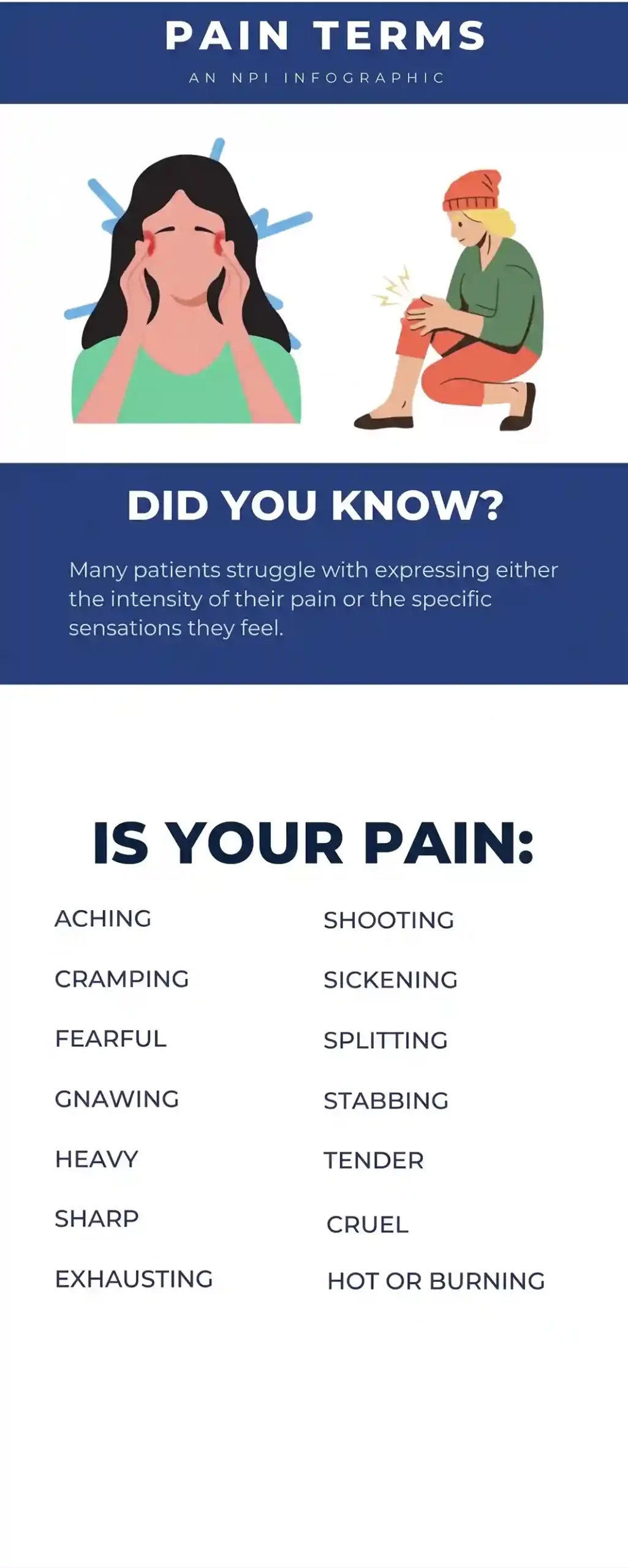
Pain is a signal from your nervous system that something may be wrong. It can feel like:
- A sharp stab
- A dull ache
- Burning or tingling
- Pressure or throbbing
While acute pain often goes away quickly, persistent or severe pain should never be ignored—especially if it worsens or doesn’t improve over time.
When Should You See a Doctor?
As a general guideline:
- Pain rated 7/10 or higher needs urgent medical attention
- Moderate pain lasting more than a few days should be checked
- Pain that suddenly changes or stops responding to treatment is a red flag
Below are some of the most serious types of pain you should never ignore.
1. Leg Pain with Swelling
Symptoms
- Sudden pain in one leg
- Swelling, redness, or warmth (usually calf or thigh)
- Pain worsens when standing or walking
Possible Cause
This could indicate deep vein thrombosis (DVT)—a blood clot that can travel to the lungs and cause a life-threatening pulmonary embolism.
What to Do
Seek medical attention immediately, especially if you’ve recently:
- Traveled long distances
- Been immobile
- Given birth or use hormonal contraceptives
2. Sudden Testicular Pain
Symptoms
- Intense, sudden pain in one side of the scrotum
- Swelling
- Difficulty walking or speaking
Possible Cause
This may be testicular torsion, where blood flow is cut off due to twisting.
What to Do
This is a medical emergency—go to the hospital immediately to prevent permanent damage.
3. Painful Urination
Symptoms
- Burning sensation when urinating
- Frequent urge to urinate
Possible Cause
Often a urinary tract infection (UTI), but in rare cases may indicate:
- Sexually transmitted infections
- Bladder issues
What to Do
Schedule a doctor visit promptly for diagnosis and treatment.
4. Sudden Chest Pain
Symptoms
- Pressure or discomfort in the chest
- Pain spreading to arms, neck, jaw, or back
- Shortness of breath, nausea, sweating
Possible Cause
Could indicate:
- Heart attack
- Pulmonary embolism
- Lung collapse (pneumothorax)
What to Do
Call emergency services immediately. Do not wait more than a few minutes.
5. Severe “Thunderclap” Headache
Symptoms
- Sudden, extremely intense headache
- Nausea, vomiting
- Stiff neck or vision changes
Possible Cause
May be a ruptured brain aneurysm—a life-threatening condition.
What to Do
Go to the emergency room immediately.
6. Stiff Neck with Fever or Headache
Symptoms
- Neck stiffness
- Fever
- Sensitivity to light
- Confusion or drowsiness
Possible Cause
Could be meningitis, an infection affecting the brain and spinal cord.
What to Do
Seek emergency medical care immediately.
7. Sharp Abdominal Pain
Symptoms
- Pain starting near the belly button and moving to lower right abdomen
- Nausea, fever, or bloating
- Pain worsens with movement
Possible Cause
May indicate:
- Appendicitis
- Gallbladder or pancreas inflammation
- Ectopic pregnancy (in women)
What to Do
Go to the hospital immediately—delayed treatment can be life-threatening.
8. Severe Back Pain
Symptoms
- Sudden, intense back pain
- Pain not related to movement or injury
- Pain radiating to other areas
Possible Cause
Could be:
- Kidney stones
- Abdominal aneurysm
- Spinal infection
What to Do
Seek emergency care, especially if pain is extreme or worsening.
9. Persistent Foot or Shin Pain
Symptoms
- Gradual pain during activity
- Pain improves with rest
- Possible swelling
Possible Cause
Likely a stress fracture, common in athletes or overuse injuries.
What to Do
Consult a doctor and rest the affected area to prevent worsening injury.
Final Thoughts
Not all pain is dangerous—but some types are clear warning signs that should never be ignored.
Pay attention to your body, especially when pain:
- Appears suddenly
- Feels severe or unusual
- Persists or worsens over time
When in doubt, it’s always safer to seek medical advice early rather than wait.
Your health depends on recognizing these signals—and acting on them in time.