
Introduction: Is Sleep the Missing Piece of Your Health?
In today’s fast-paced world, getting enough sleep often feels impossible. Between work, responsibilities, and screen time, rest is usually the first thing we sacrifice. But here’s the reality: sleep is just as essential as nutrition and exercise for maintaining good health.
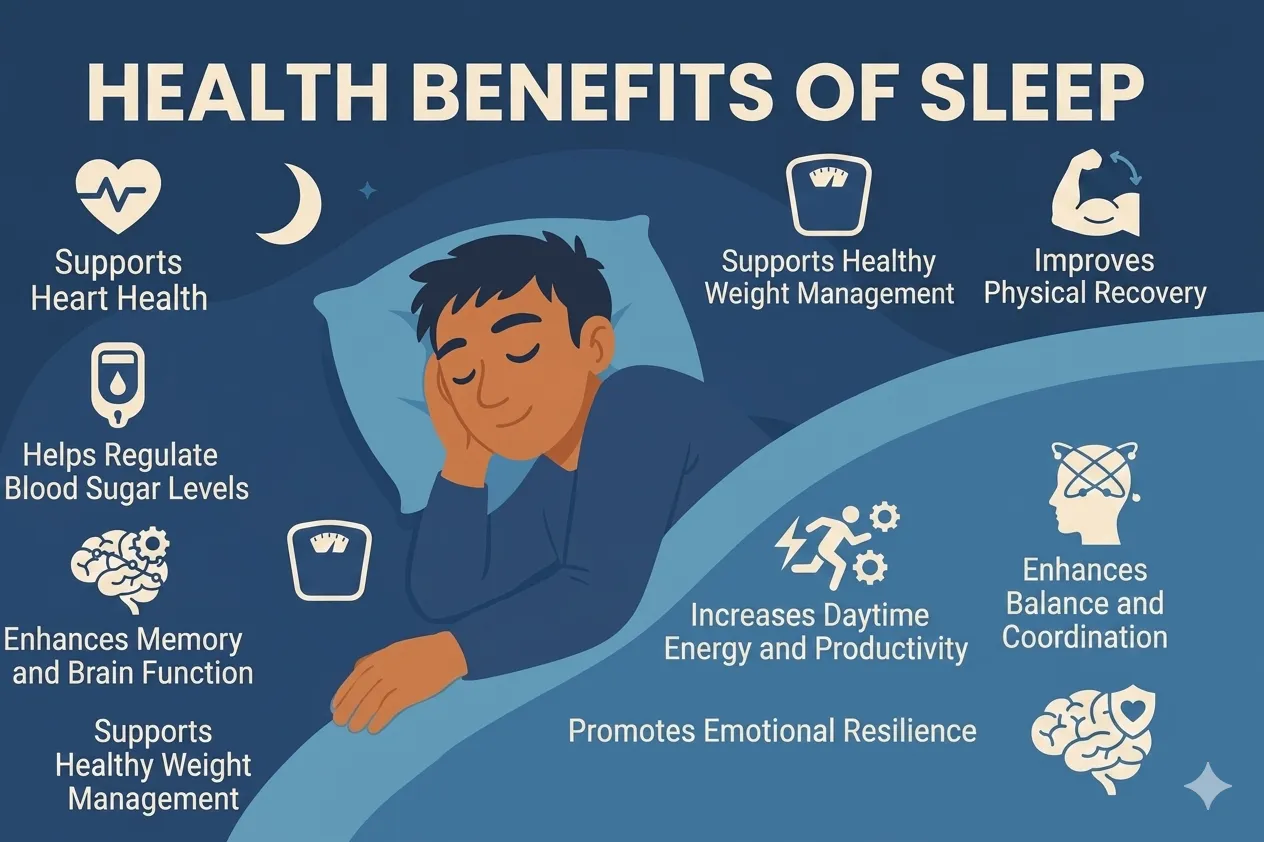
Quality sleep doesn’t just help you feel rested—it plays a critical role in brain function, emotional balance, and physical well-being. Without it, your risk of serious health conditions increases significantly.
Why Sleep Is Essential for Your Health
Sleep is far more than just “downtime.” While your body rests, vital processes are actively working behind the scenes.
What Happens When You Sleep?
During sleep, your body and brain:
- Repair tissues and cells
- Strengthen the immune system
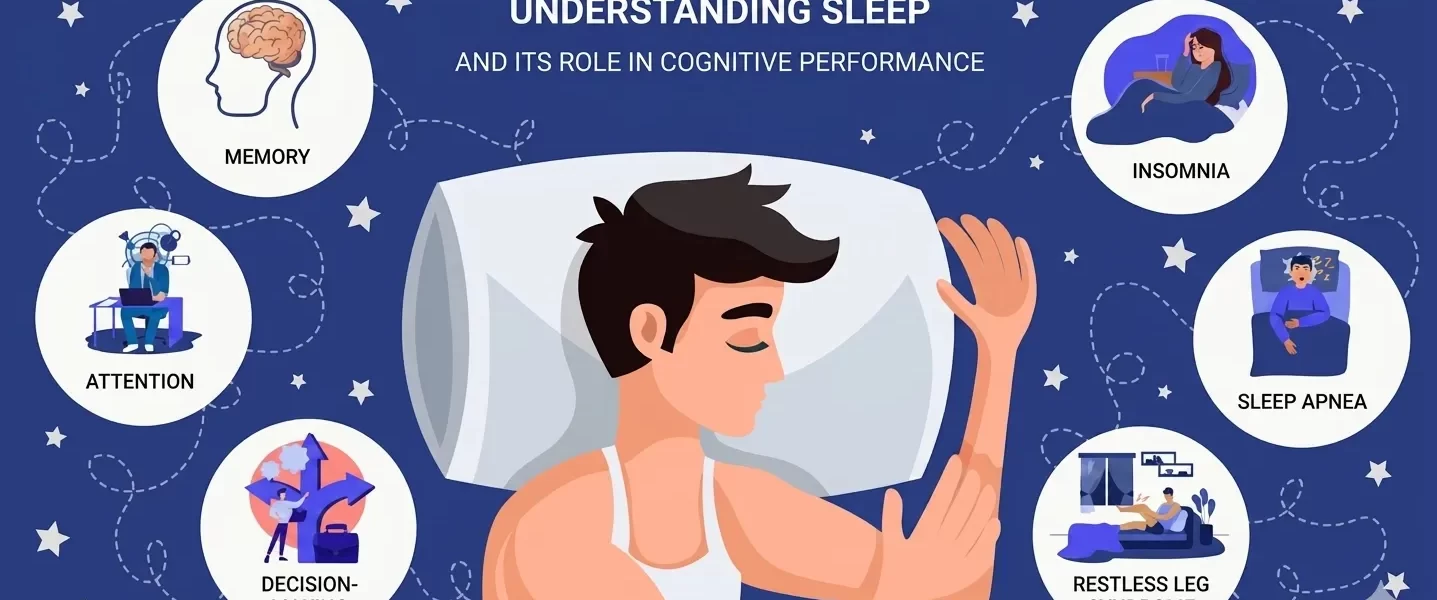
- Consolidate memory and learning
- Regulate hormones and metabolism
Research shows that the brain even has a waste-clearing system that becomes highly active during sleep, removing harmful toxins linked to neurological conditions like Alzheimer’s disease.
Bottom line: Sleep is when your body resets, repairs, and prepares for the next day.
The Health Risks of Poor Sleep
Consistently getting insufficient or low-quality sleep can lead to serious health problems, including:
- Heart disease and stroke
- Obesity
- Diabetes
- Depression and anxiety
- Cognitive decline and dementia
Lack of sleep doesn’t just affect your health—it also reduces focus, productivity, and overall quality of life.
What Defines “Good Sleep”?
According to sleep experts, healthy sleep includes three key components:
1. Sleep Duration
Most adults need at least 7 hours of sleep per night to function optimally.
2. Sleep Quality
Good sleep should be:
- Uninterrupted
- Deep and restorative
- Refreshing when you wake up
3. Sleep Consistency
Going to bed and waking up at the same time every day helps regulate your body’s internal clock.
Common Sleep Myths vs. Facts
Myth 1: Older Adults Need Less Sleep
Fact: Sleep needs remain the same with age, though sleep quality may decline.
Myth 2: You Can “Catch Up” on Sleep
Fact: Sleeping extra on weekends cannot fully compensate for chronic sleep deprivation. Consistent sleep is key.
Myth 3: More Sleep Is Always Better
Fact: Regularly sleeping more than 9 hours and still feeling tired may signal an underlying health issue.
Common Sleep Disorders You Should Know
Sometimes, sleep problems go beyond lifestyle habits and may require medical attention.
Insomnia
- Difficulty falling or staying asleep
- Can be short-term or chronic
- Leads to daytime fatigue and reduced performance
Sleep Apnea
- Breathing repeatedly stops during sleep
- Causes frequent awakenings
- Can increase the risk of serious health conditions if untreated
If you experience ongoing sleep issues, it’s important to consult a healthcare professional.
How to Improve Sleep Quality Naturally
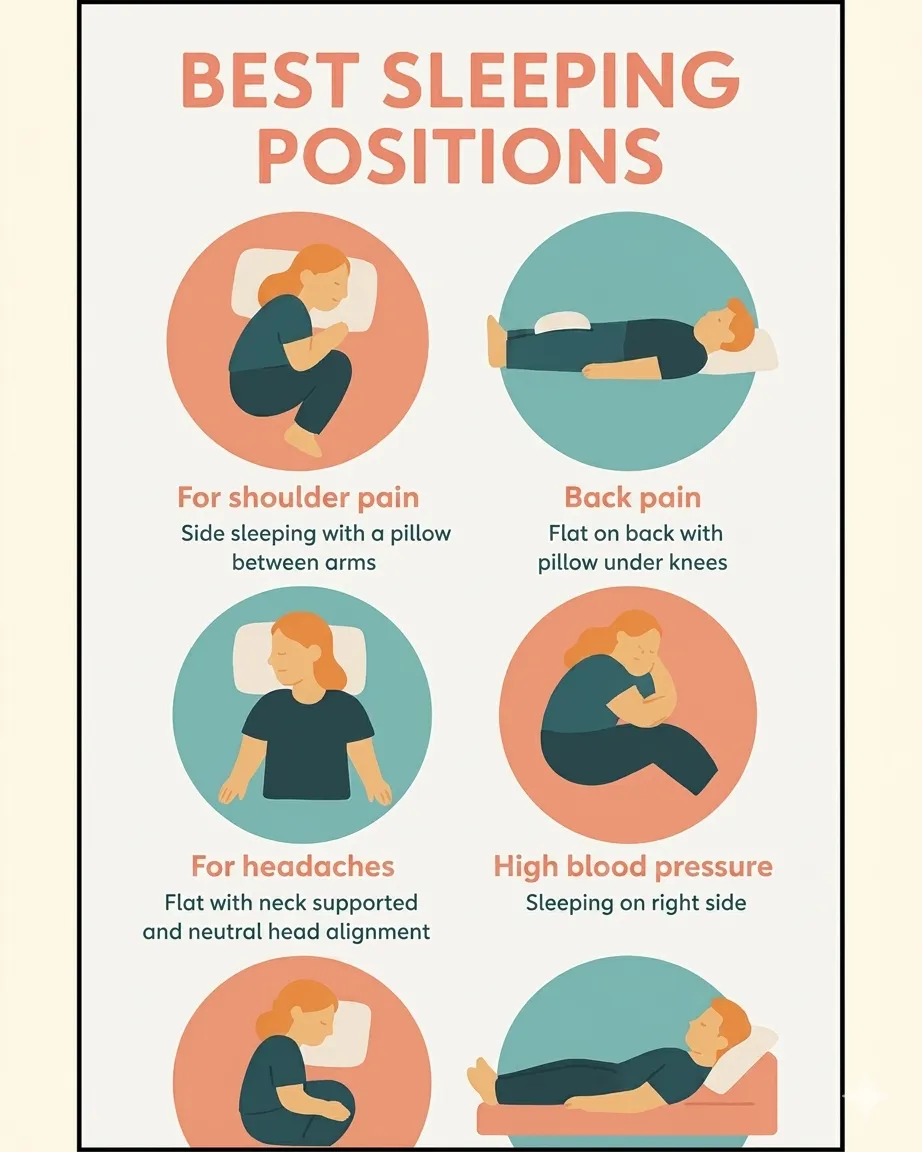
Improving your sleep doesn’t have to be complicated. Small changes can make a big difference.
Practical Tips for Better Sleep
- Stick to a schedule: Go to bed and wake up at the same time daily
- Limit screen time before bed: Blue light disrupts sleep hormones
- Create a relaxing bedtime routine: Reading or meditation can help
- Optimize your sleep environment: Keep your room cool, dark, and quiet
- Avoid caffeine and heavy meals at night
- Stay active during the day: Regular exercise supports better sleep
Treatments for Sleep Disorders
If lifestyle changes aren’t enough, there are effective treatments available:
- Cognitive Behavioral Therapy (CBT): Especially effective for insomnia
- CPAP machines: Help manage sleep apnea by keeping airways open
- Medications: May be recommended in certain cases
Always seek professional advice for persistent sleep problems.
Final Thoughts: Make Sleep a Priority
Sleep is not optional—it’s a biological necessity. Prioritizing quality sleep is one of the most powerful ways to improve your health, boost productivity, and enhance your overall well-being.
If you want to perform at your best, feel more energized, and reduce your risk of disease, start with this simple step:
Get better sleep—consistently.
Because a healthier, longer life begins with a good night’s rest.