
In today’s fast-changing world, achieving a healthy work-life balance has become more challenging than ever. With remote work on the rise, evolving technologies, and increasing job demands, the boundaries between professional and personal life are often blurred.
While these changes offer flexibility, they also make it harder to truly disconnect. The good news? With the right mindset and strategies, you can create a sustainable balance that supports both your career and well-being.
What Is Work-Life Balance?
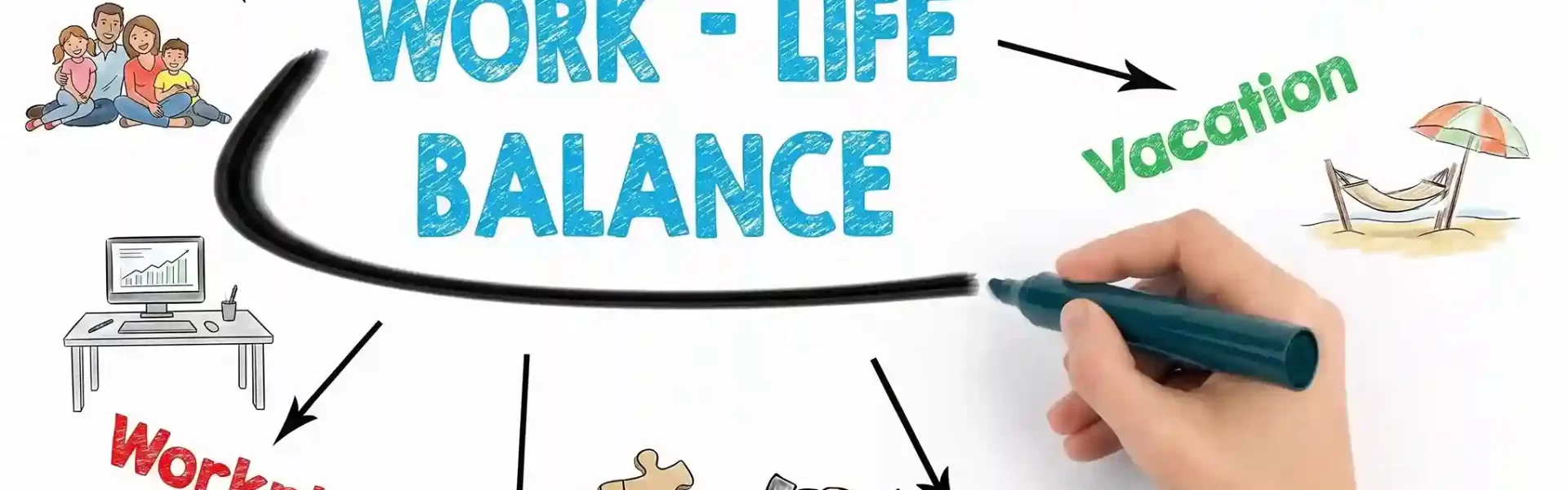
Work-life balance refers to the ability to effectively manage your professional responsibilities while maintaining a fulfilling personal life. It’s about allocating your time, energy, and attention in a way that supports productivity, relationships, and self-care.
A healthy balance typically includes:
- Clear boundaries between work and personal time
- Effective time management
- Stress control strategies
- Flexibility to adapt to life’s demands
Remember, balance looks different for everyone. The key is finding a rhythm that aligns with your lifestyle and priorities.
Signs of an Unhealthy Work-Life Balance
Before improving your balance, it’s important to recognize when something is off. Common warning signs include:
- Constant overworking, even during weekends or holidays
- Difficulty disconnecting from work
- Neglecting self-care, sleep, or exercise
- Strained relationships with family or colleagues
- Persistent fatigue or burnout
- Loss of motivation or interest outside of work
If these patterns sound familiar, it’s time to reassess your routine.
Why Work-Life Balance Matters
Maintaining balance isn’t just about comfort—it directly impacts your health and performance. Overworking can increase the risk of stress, anxiety, and physical health issues, while proper rest and recovery improve focus, creativity, and productivity.
When you allow yourself time to recharge, you return to work more energized, engaged, and effective.
12 Practical Tips to Improve Work-Life Balance
1. Plan Your Personal Time
Schedule personal activities just like work meetings. Whether it’s exercise, social time, or relaxation, planning ahead ensures your life doesn’t revolve solely around work.
2. Understand Your Productivity Patterns
Work with your natural energy levels. Use techniques like time-blocking or focused work intervals to maximize efficiency and reduce overtime.
3. Group Similar Tasks Together
Avoid multitasking. Instead, batch similar tasks to stay focused and complete work more efficiently.
4. Set Clear Work Boundaries
Decide when your workday ends—and stick to it. Turn off notifications and step away from your workspace to mentally disconnect.
5. Use Technology Wisely
Leverage apps to block distractions during work hours and limit access to work tools after hours.
6. Take Regular Breaks
Short breaks throughout the day help maintain focus and energy. Even stepping away for a few minutes can boost productivity.
7. Take Time Off Seriously
Vacations and personal days are essential—not optional. Fully disconnect to allow your mind and body to recover.
8. Practice Mindfulness
Mindfulness techniques like meditation or deep breathing can help you recognize stress early and prevent burnout.
9. Develop Hobbies Outside of Work
Engaging in activities you enjoy helps you disconnect and recharge, improving both mental health and creativity.
10. Reevaluate Your Work Alignment
If your job no longer brings satisfaction, consider adjusting your role or responsibilities to better match your interests and goals.
11. Communicate with Your Manager
Open conversations about workload and expectations can lead to more realistic goals and better support.
12. Seek Professional Support
A coach or therapist can help you identify challenges and build sustainable habits for long-term balance.
Tips for Work-Life Balance When Working Remotely
Remote work offers flexibility—but it also requires discipline. Here’s how to stay balanced:
- Create a routine: Start and end your day with clear rituals
- Designate a workspace: Separate work from personal areas
- Take real breaks: Step away from screens regularly
- Check in with yourself: Monitor stress and energy levels
Flexibility alone isn’t enough—you need structure and awareness to make it work.
How Managers Can Support Work-Life Balance
Leaders play a crucial role in fostering a healthy work environment. They can:
- Encourage employees to unplug during time off
- Promote healthy boundaries and realistic expectations
- Check in regularly with team members
- Respect working hours and avoid after-hours demands
- Lead by example with balanced work habits
A supportive workplace culture makes balance more achievable for everyone.
Final Thoughts
Achieving a healthy work-life balance isn’t about perfection—it’s about consistency. Some days will feel overwhelming, while others allow more flexibility. What matters is building habits that support your well-being over time.
Start small, stay mindful, and adjust as needed. With the right approach, you can create a balanced life that supports both your personal happiness and professional success.