
Introduction
Sleep is something we all need, yet it’s often the first thing we sacrifice in our busy lives. While most people understand that sleep is important, many still believe it’s simply about getting enough hours each night.

The reality is more complex. Sleep quality—not just quantity—is the true foundation of good health. Even if you sleep for 7–8 hours, poor-quality sleep can still leave you feeling exhausted and impact your overall well-being.
In this guide, we’ll explore why sleep is essential for health, how it affects your body and mind, and what you can do to improve your sleep quality.
What Is Good Sleep Health?
There’s no single universal definition of “good sleep,” but one simple way to understand it is this:
Good sleep health means waking up feeling refreshed, energized, and ready for the day.
On the other hand, poor sleep health often leads to:
Constant fatigue
Difficulty concentrating
Low productivity
Reduced physical and mental performance
Importantly, you don’t need to have a diagnosed sleep disorder to experience poor sleep. Many people struggle with sleep quality without realizing it.
Why Sleep Quality Matters More Than Sleep Duration
A common misconception is that sleep is only about how many hours you get. While duration is important, quality plays a bigger role.
High-quality sleep includes:
Falling asleep easily
Staying asleep throughout the night
Experiencing deep, restorative sleep cycles
Waking up without feeling groggy
Without these elements, even long sleep duration may not provide real recovery.
The Impact of Poor Sleep on Physical Health
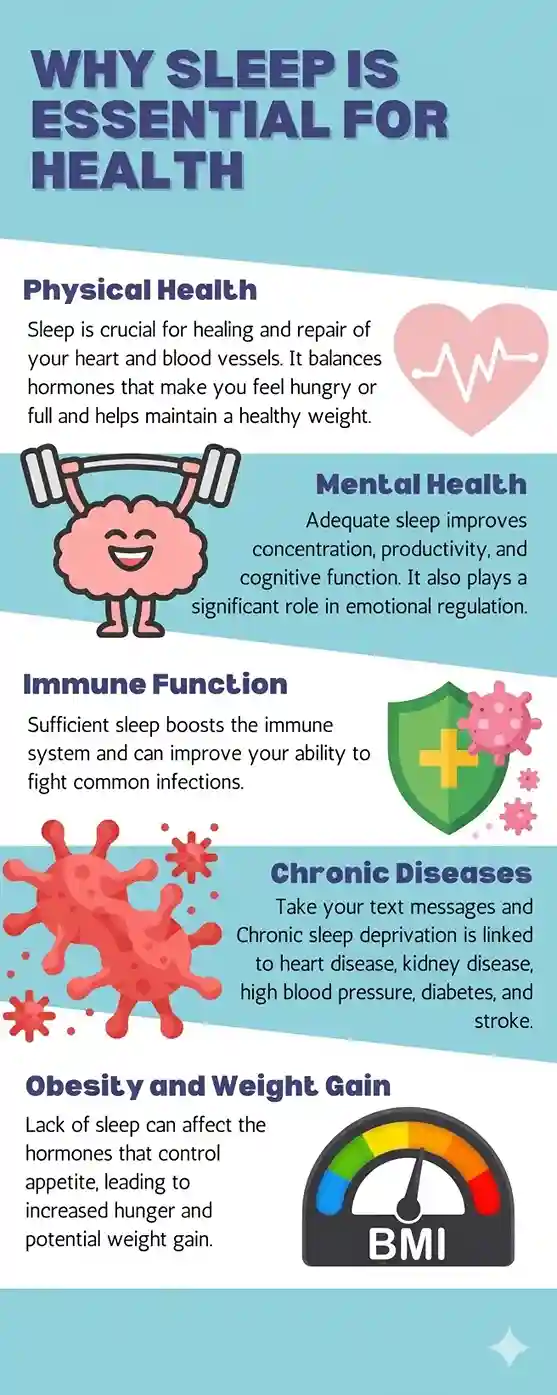
Poor sleep doesn’t just make you tired—it can significantly harm your body over time.
1. Increased Risk of Heart Disease
Studies show that inadequate sleep is linked to:
High blood pressure
Heart disease
Increased risk of stroke
Sleep plays a critical role in regulating cardiovascular function.
2. Weight Gain and Obesity
Lack of sleep often leads to:
Late-night eating
Increased calorie intake
Hormonal imbalances affecting hunger
Over time, this can increase the risk of obesity, which is also linked to serious conditions like type 2 diabetes.
3. Weakened Immune System
Poor sleep reduces your body’s ability to fight illness, making you more susceptible to infections and slower to recover.
The Connection Between Sleep and Mental Health
Sleep and mental health are deeply connected—and the relationship goes both ways.
1. Increased Risk of Depression
Research shows that chronic insomnia can significantly increase the risk of depression.
2. Higher Anxiety Levels
People who don’t sleep well often report:
Increased stress
Irritability
Difficulty managing emotions
3. A Vicious Cycle
Poor sleep can worsen mental health, and mental health issues can further disrupt sleep—creating a cycle that’s difficult to break.
How to Assess Your Sleep Health
Instead of focusing only on hours slept, experts recommend evaluating sleep more holistically.
One useful framework is RU-SATED, which measures:
Regularity: Do you go to bed and wake up at consistent times?
Satisfaction: Are you satisfied with your sleep?
Alertness: Do you feel awake during the day?
Timing: Is your sleep schedule aligned with your lifestyle?
Efficiency: Do you fall asleep easily and stay asleep?
Duration: Are you getting enough sleep overall?
This approach highlights that sleep quality is multi-dimensional, not just about time.
Why Sleep Is Essential for Overall Health
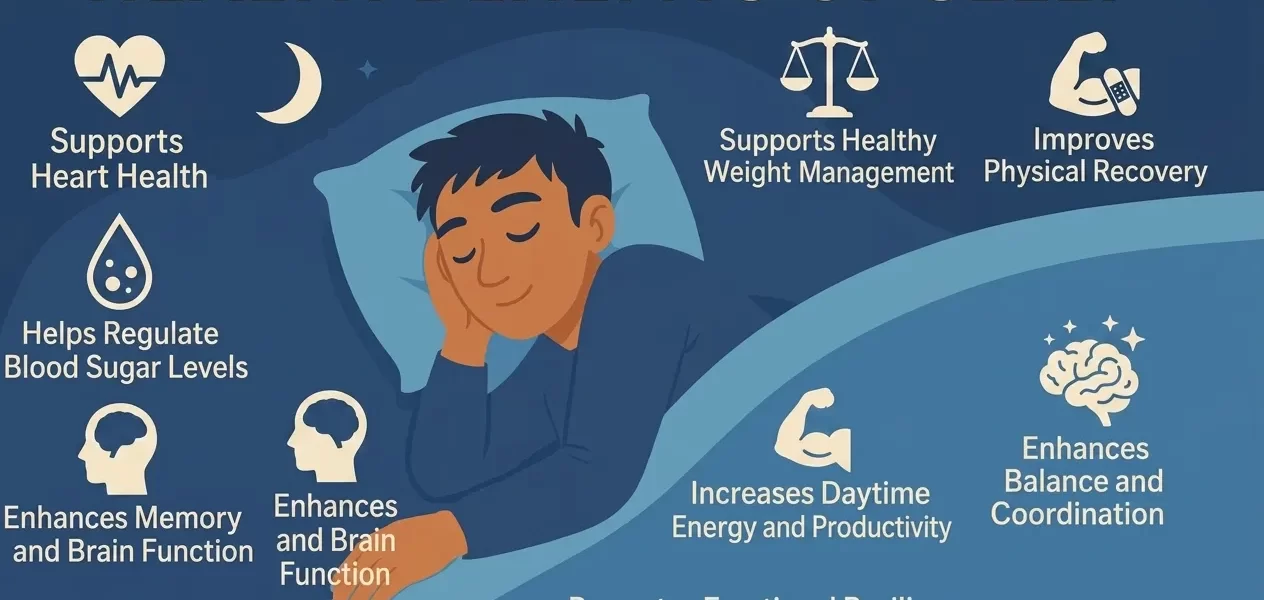
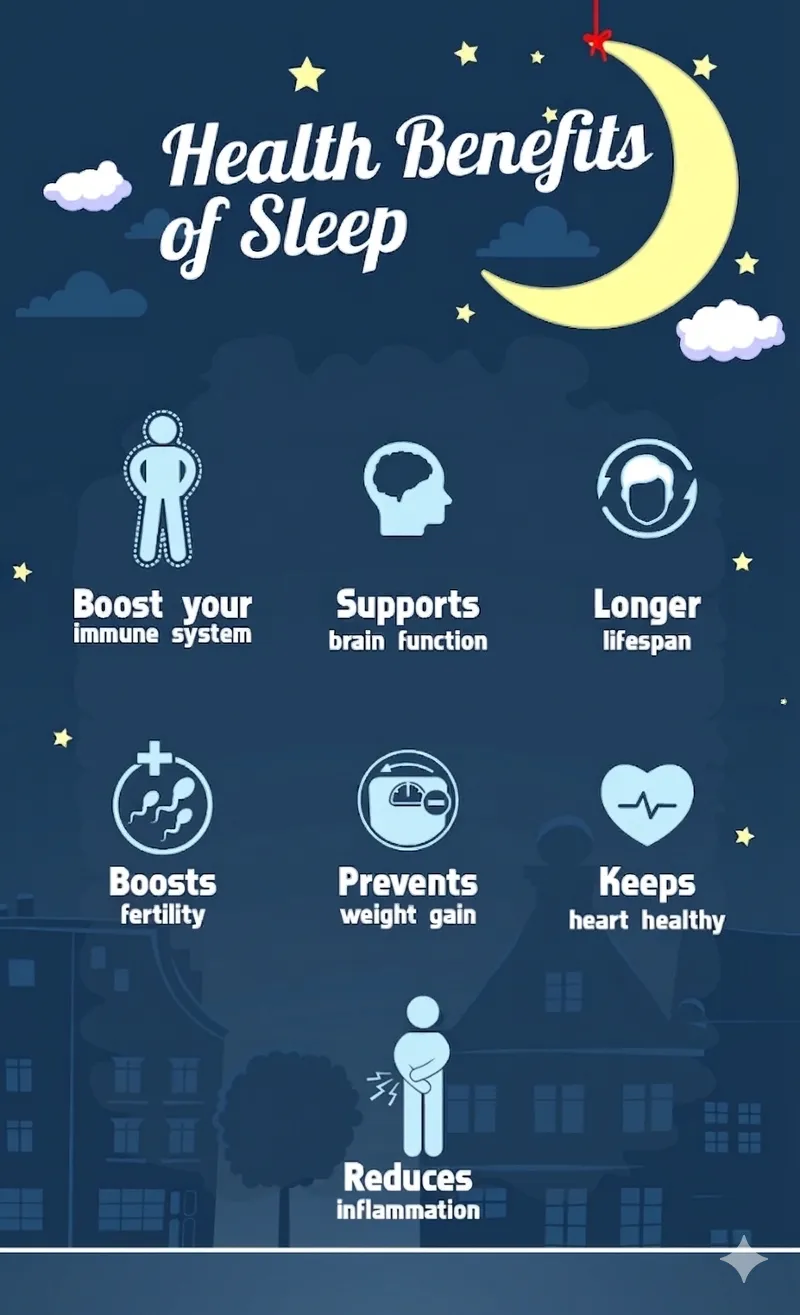
Good sleep supports nearly every system in your body. When your sleep health improves, you’ll likely notice:
Better energy and productivity
Improved mood and emotional stability
Stronger immune function
Reduced risk of chronic diseases
Enhanced cognitive performance
In contrast, long-term poor sleep can negatively affect both your lifespan and quality of life.
Raising Awareness: World Sleep Day
Global awareness around sleep health has been growing in recent years, highlighted by initiatives like World Sleep Day.
This annual event emphasizes a simple but powerful message:
Sleep is essential for health.
It brings together healthcare professionals, researchers, and individuals worldwide to promote better sleep habits and education.
How to Improve Your Sleep Quality
If you want to improve your sleep health, start with these simple habits:
Stick to a consistent sleep schedule
Limit screen time before bed
Create a comfortable sleep environment
Avoid caffeine late in the day
Manage stress through relaxation techniques
Small changes can lead to significant improvements over time.
Conclusion
Sleep is not a luxury—it’s a necessity. While many people focus on diet and exercise, sleep is often overlooked as a pillar of health.
The key takeaway is clear:
It’s not just about how long you sleep—it’s about how well you sleep.
By prioritizing sleep quality and understanding its impact, you can improve your physical health, mental well-being, and overall quality of life.
Start taking your sleep seriously today—your body and mind will thank you.