

Introduction
Starting a health professional program is a major milestone—and one of the most challenging journeys you’ll ever undertake. Whether you’re studying medicine, nursing, pharmacy, or another healthcare field, the academic pressure, emotional demands, and lifestyle changes can be overwhelming.
That’s why wellness is not optional—it’s essential.
This comprehensive guide will help you build sustainable habits, avoid burnout, and maintain your physical, mental, and emotional well-being throughout your academic journey.
Understanding First-Year Challenges
Many students describe their first year as trying to “drink from a firehose.” The sheer volume of information, combined with high expectations and intense schedules, can feel overwhelming.
You may face:
Heavy coursework and long study hours
High-stakes exams
Emotional pressure from future responsibilities
Adjusting to a new environment
Recognizing these challenges early allows you to prepare and respond effectively.
Burnout: The Hidden Risk in Healthcare Education
Burnout is one of the most common issues among healthcare students. It’s often caused by prolonged stress, overwork, and lack of balance.
Signs of Burnout
Extreme fatigue and exhaustion
Lack of motivation
Emotional detachment
Difficulty concentrating
Feelings of frustration or hopelessness
If left unaddressed, burnout can affect both academic performance and overall health.
How to Prevent Burnout
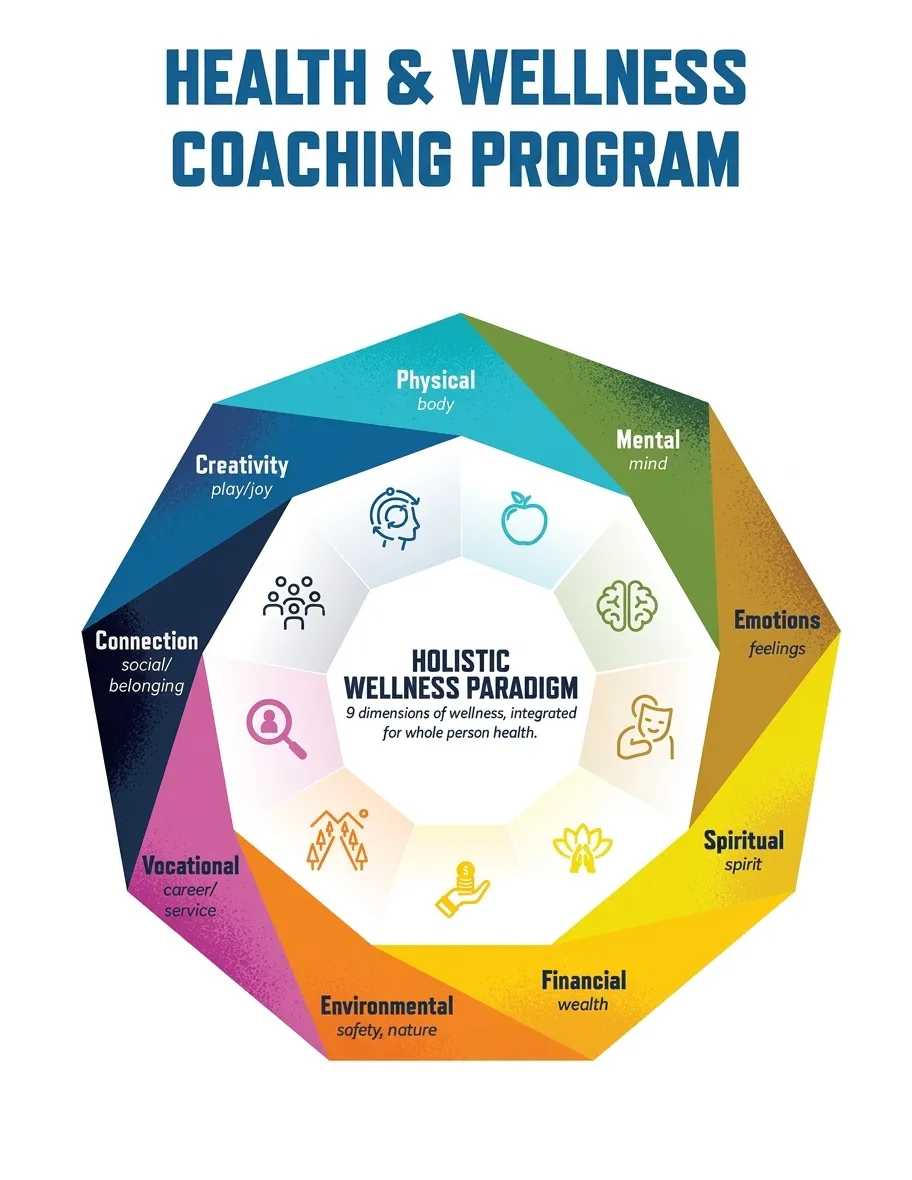
Prevention is always more effective than recovery. Here are key strategies to stay balanced:
1. Create a Balanced Schedule
Even with a busy timetable, make time for:
Sleep
Exercise
Social activities
Personal downtime
Short breaks and enjoyable activities can significantly improve mental resilience.
2. Build a Support System
Stay connected with:
Friends and family
Classmates
University support services
Seeking help is a strength—not a weakness.
3. Practice Self-Awareness
Regularly check in with yourself. Recognizing stress early helps prevent it from escalating into burnout.
The Power of Mindfulness for Students
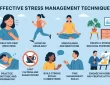
Mindfulness techniques are proven to reduce stress and improve focus—making them ideal for healthcare students.
Meditation
Daily meditation helps:
Improve concentration
Reduce anxiety
Enhance emotional control
Breathing Techniques
Simple breathing exercises can calm your nervous system and improve performance during exams or stressful situations.
Spending Time Outdoors
Even 10–15 minutes outside can:
Reduce stress
Improve mood
Boost mental clarity
Journaling and Reflection
Writing down your thoughts helps:
Process emotions
Improve self-awareness
Reinforce learning
Maintaining a Healthy Lifestyle on a Busy Schedule
1. Nutrition on a Budget
Healthy eating doesn’t have to be expensive or time-consuming.
Focus on:
Meal prepping
Whole, nutrient-dense foods
Staying hydrated
Avoid relying on fast food or skipping meals, as it can negatively impact energy and focus.
2. Exercise: A Non-Negotiable Habit
Exercise is not just for physical health—it also improves mental performance.
Benefits include:
Reduced stress
Better concentration
Increased energy
Even short, 20-minute workouts can make a big difference.
Staying Motivated Throughout Your Program
Look at the Big Picture
Remember why you started. Visualizing your future career can help you push through difficult times.
Set Clear Goals
Break large goals into smaller, achievable steps. This makes progress more manageable and motivating.
Prioritize Your Health
Your success depends on your well-being. Never sacrifice your health for short-term academic gains.
Financial Wellness for Students
Financial stress is often overlooked but can significantly impact mental health.
To manage it:
Create a budget
Track expenses
Plan for student loans
Seek financial advice when needed
Taking control of your finances reduces anxiety and helps you focus on your studies.
Building Resilience for Long-Term Success
Resilience is the ability to adapt and recover from challenges—an essential skill for healthcare professionals.
You can build resilience by:
Learning from failures
Practicing self-compassion
Staying curious and open-minded
Seeking support when needed
Resilience is not built overnight—it develops through consistent effort and experience.
Effective Study Strategies
Active Learning
Instead of passive reading, engage with the material by:
Asking questions
Teaching others
Summarizing key concepts
Find Your Learning Style

Everyone learns differently. Experiment with different methods to find what works best for you.
Manage Test Anxiety
Use mindfulness and preparation techniques to stay calm and focused during exams.
Adapting to a Post-Pandemic Learning Environment
The COVID-19 pandemic has reshaped healthcare education, introducing:
Online learning
Limited clinical exposure
Increased stress levels
Adapting to these changes requires flexibility, patience, and strong self-discipline.
Conclusion
Your journey through a health professional program will be demanding—but it’s also incredibly rewarding. By prioritizing wellness, building resilience, and developing healthy habits, you can not only survive but thrive.
Take care of yourself first—so you can take care of others later.
Remember, wellness is a lifelong practice. The habits you build today will support you throughout your career as a healthcare professional and beyond.