

Introduction
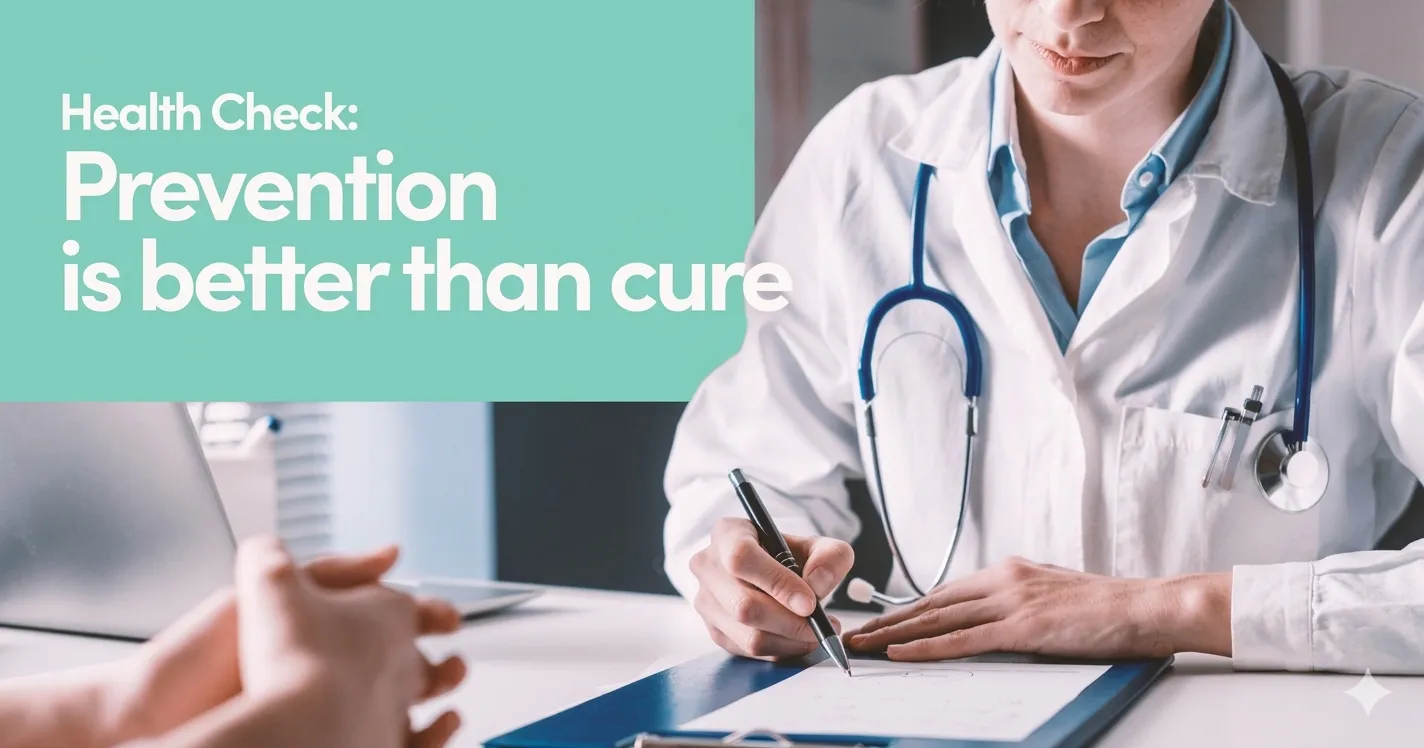
In modern healthcare, the focus is shifting from treating illness to preventing it before it starts. This approach—known as preventative care—is one of the most effective ways to protect your health, reduce long-term risks, and improve your quality of life.
Preventative care combines regular health screenings, vaccinations, and healthy lifestyle choices to detect potential issues early and stop them from developing into serious conditions. Below are seven powerful reasons why preventative care should be a priority in your life.
1. Helps Prevent Serious Health Conditions
Preventative care significantly reduces the risk of developing chronic diseases such as:
Heart disease
Diabetes
Certain types of cancer
Routine screenings for blood pressure, cholesterol, and blood sugar can identify early warning signs. With timely lifestyle changes or medical intervention, many of these conditions can be prevented or controlled before they become severe.
Vaccinations also play a critical role in preventing infectious diseases like flu, pneumonia, and hepatitis—protecting both individuals and communities.
2. Early Detection Leads to Better Outcomes
Many serious health conditions develop silently, without obvious symptoms. Preventative screenings make early detection possible.
For example:
Mammograms can detect breast cancer early
Colonoscopies can identify colon cancer before symptoms appear
Regular check-ups can uncover high blood pressure or diabetes
Early diagnosis allows for more treatment options, less invasive procedures, and significantly better health outcomes.
3. Reduces Healthcare Costs
Preventative care is a cost-effective approach to health management.
While routine check-ups and screenings may involve small upfront costs, they are far less expensive than treating advanced illnesses. Chronic conditions often require:
Long-term medication
Hospitalization
Ongoing medical care
By addressing health issues early, preventative care helps avoid these high costs and reduces the financial burden on both individuals and healthcare systems.
4. Improves Overall Quality of Life
Good health directly impacts how you feel and function every day.
Preventative care supports:
Higher energy levels
Better physical fitness
Improved mental clarity
Enhanced emotional well-being
Healthy habits such as regular exercise, proper nutrition, and sufficient sleep not only prevent disease but also improve mood, productivity, and overall life satisfaction.
5. Encourages Healthy Lifestyle Habits
Preventative care promotes long-term behavior change by encouraging individuals to adopt healthier habits, including:
Balanced nutrition
Regular physical activity
Staying hydrated
Avoiding smoking and harmful substances
These habits build a strong foundation for lifelong health and reduce the likelihood of developing chronic illnesses.
6. Contributes to a Healthier Community
Preventative care benefits not only individuals but also society as a whole.
For example:
Vaccination programs help prevent disease outbreaks
Healthy populations reduce strain on healthcare systems
Public awareness encourages healthier lifestyle choices
When more people prioritize prevention, communities become stronger, healthier, and more resilient.
7. Strengthens the Role of Healthcare Providers
Healthcare professionals play a key role in guiding preventative care efforts.
Doctors and medical providers help:
Recommend appropriate screenings
Provide vaccinations
Offer personalized health advice
Monitor long-term health progress
Building a strong relationship with your healthcare provider ensures you receive tailored guidance and early intervention when needed.
Live Your Best, Healthiest Life
Preventative care is not just about avoiding illness—it’s about taking control of your health.
By focusing on early detection, consistent check-ups, and healthy lifestyle choices, you can:
Reduce the risk of chronic diseases
Lower healthcare costs
Improve your overall well-being
Live a longer, more fulfilling life
Small actions today can lead to major health benefits tomorrow.
Conclusion
Preventative care is a powerful and practical approach to long-term health. Instead of reacting to illness, it empowers you to stay ahead of potential risks and build a healthier future.
Start prioritizing your health today—because prevention is always better than cure.
Disclaimer
The content of this article is for informational purposes only and does not constitute medical advice, diagnosis, or treatment. While efforts have been made to ensure accuracy, the information may not be applicable to individual circumstances.
Always consult a qualified healthcare professional with any questions regarding your health. Do not disregard professional medical advice or delay seeking it based on information from this article.