

Feeling tired and low on energy has become increasingly common in modern life. Whether it’s due to stress, lack of sleep, or a busy schedule, many people struggle to stay energized throughout the day.
The good news? You don’t need energy drinks or quick fixes. With the right habits, you can boost your energy naturally and sustainably.
Here are 9 science-backed tips to increase your energy levels naturally.
1. Manage Stress Effectively
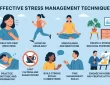
Chronic stress is one of the biggest energy drainers. It consumes both mental and physical resources, leaving you feeling exhausted.
How to reduce stress:
- Talk to a friend or family member
- Join a support group
- Practice meditation or deep breathing
- Try yoga or tai chi
Managing stress helps preserve your energy and improve overall well-being.
2. Lighten Your Daily Load
Overworking yourself—whether at work, home, or socially—can quickly lead to fatigue.
What you can do:
- Prioritize essential tasks
- Eliminate unnecessary commitments
- Delegate when possible
Simplifying your schedule allows you to focus your energy on what truly matters.
3. Exercise Regularly
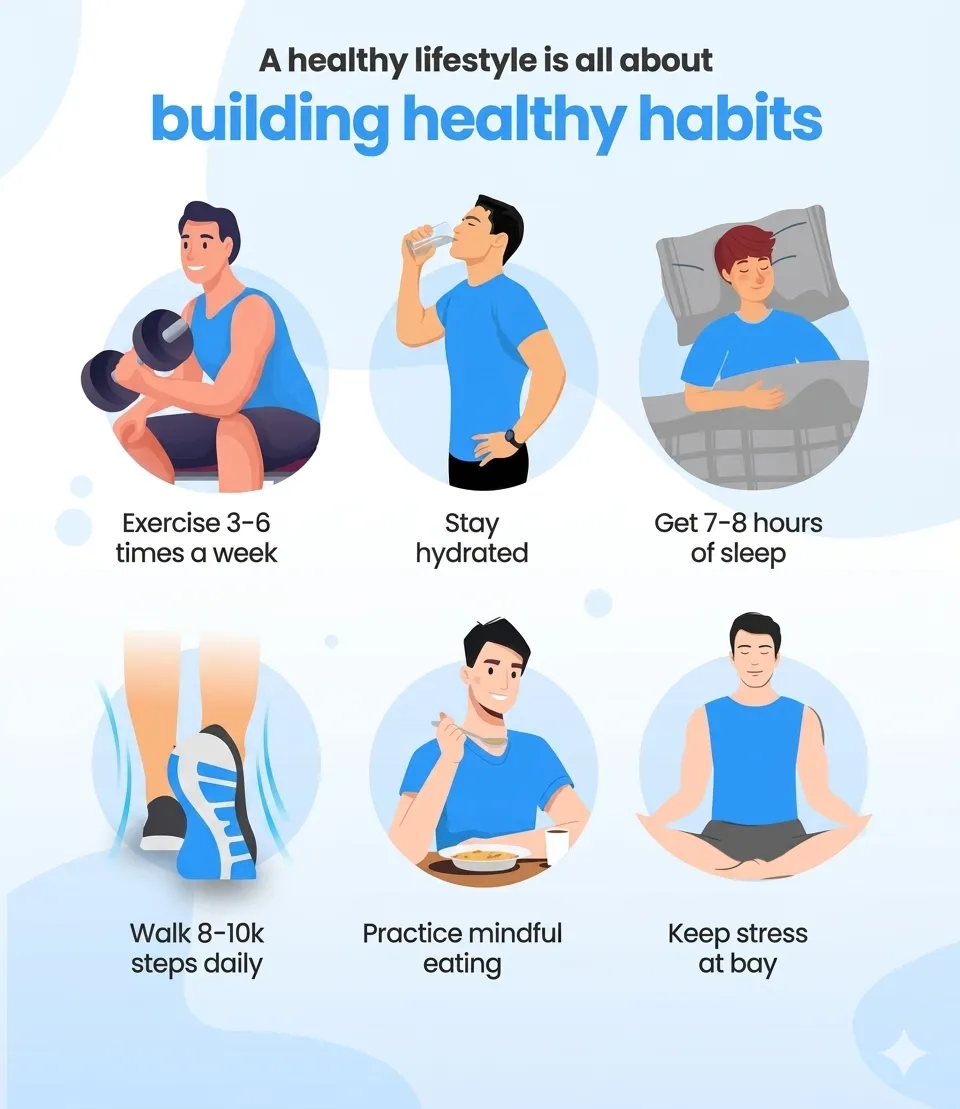
Exercise may seem counterintuitive when you’re tired, but it’s one of the most effective ways to increase energy.
Benefits of exercise:
- Improves sleep quality
- Boosts oxygen circulation
- Increases dopamine (enhances mood)
- Enhances stamina and endurance
Even light activities like walking can significantly improve your energy levels.
4. Avoid Smoking
Smoking negatively impacts your energy in several ways. Nicotine disrupts sleep patterns and reduces oxygen flow in the body.
Effects of smoking on energy:
- Causes insomnia
- Increases heart rate and blood pressure
- Leads to frequent sleep interruptions
Quitting smoking can lead to better sleep and higher daily energy.
5. Optimize Your Sleep Routine
Surprisingly, spending too much time in bed doesn’t always improve sleep quality. Instead, focus on efficient, restful sleep.
Tips to improve sleep:
- Avoid daytime naps
- Go to bed slightly later if you struggle to fall asleep
- Gradually adjust sleep duration
- Maintain consistent sleep patterns
Quality sleep is more important than quantity when it comes to energy.
6. Eat for Sustained Energy
Your diet plays a major role in how energized you feel.
Choose foods with a low glycemic index, which release energy slowly and prevent crashes.
Best foods for energy:
- Whole grains
- Vegetables rich in fiber
- Nuts and seeds
- Healthy fats like olive oil
Avoid refined sugars and processed carbs that cause rapid energy spikes and crashes.
7. Use Caffeine Wisely
Caffeine can enhance alertness and concentration—but timing and moderation are key.
Smart caffeine habits:
- Drink coffee or tea in the morning or early afternoon
- Avoid caffeine after 2 p.m.
- Limit intake to prevent insomnia
Used correctly, caffeine can be a helpful tool—not a dependency.
8. Limit Alcohol Intake
Alcohol has a sedative effect that can reduce your energy—especially during the day.
Tips:
- Avoid alcohol at lunch
- Limit evening intake if you need to stay productive
- Drink in moderation
Reducing alcohol consumption helps maintain steady energy levels.

9. Stay Hydrated
Dehydration is one of the most overlooked causes of fatigue.
Even mild dehydration can lead to:
- Low energy
- Poor concentration
- Headaches
Simple solution: Drink water consistently throughout the day.
Water is one of the most effective and natural ways to boost physical and mental performance.
Why Natural Energy Matters
Unlike quick fixes like energy drinks or sugar, natural energy comes from healthy, sustainable habits. These habits support:
- Long-term physical health
- Better mental clarity
- Improved mood and productivity
Conclusion
Boosting your energy naturally doesn’t require drastic changes. By managing stress, improving sleep, eating well, and staying active, you can create a lifestyle that supports consistent energy throughout the day.
Start with small changes, stay consistent, and you’ll notice a significant improvement in how you feel and perform.