
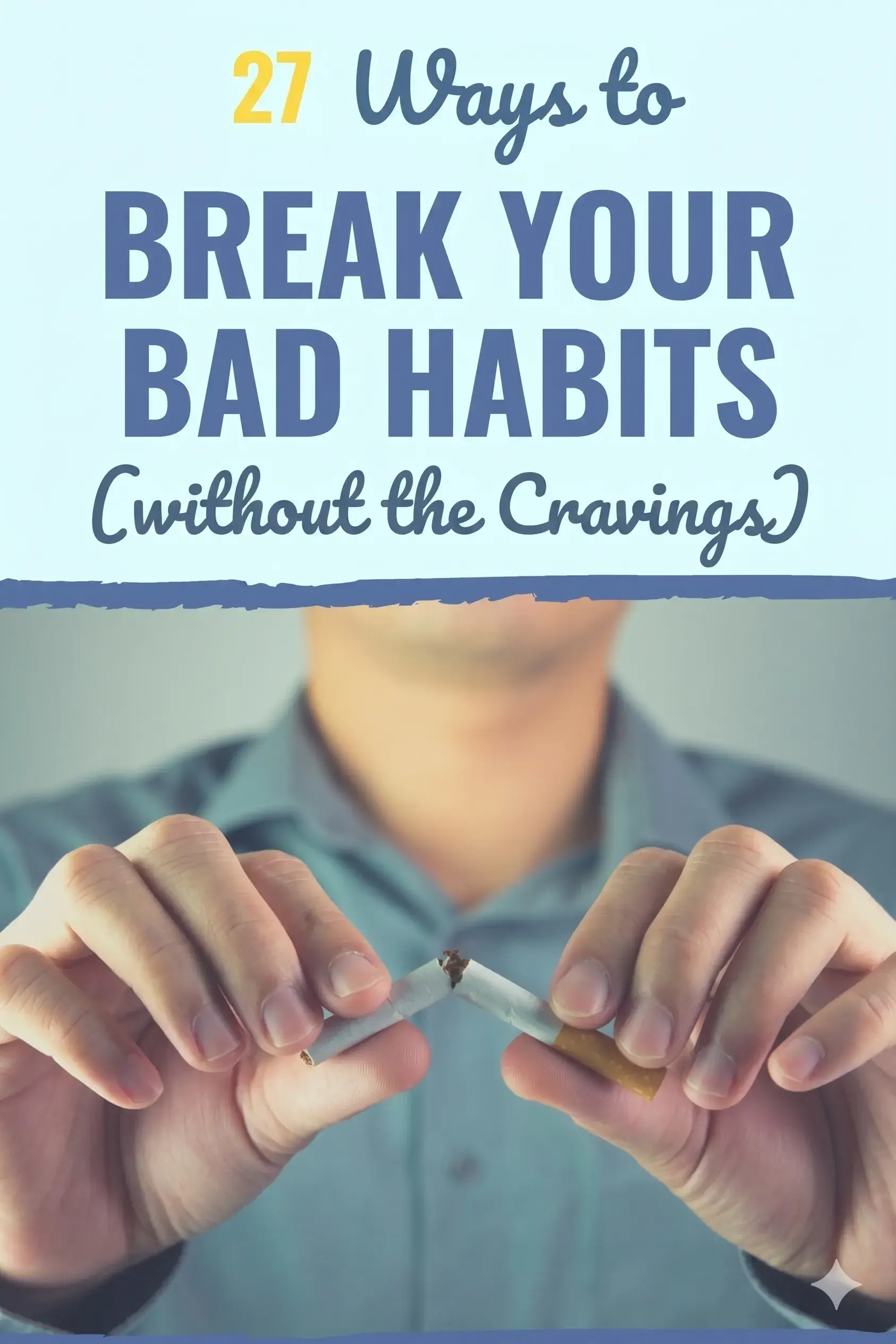
Bad habits quietly shape much of our daily behavior. From scrolling endlessly on your phone to overeating or procrastinating, these routines can limit your productivity, health, and overall quality of life. The good news? You can break bad habits—without relying on extreme willpower or suffering constant cravings.
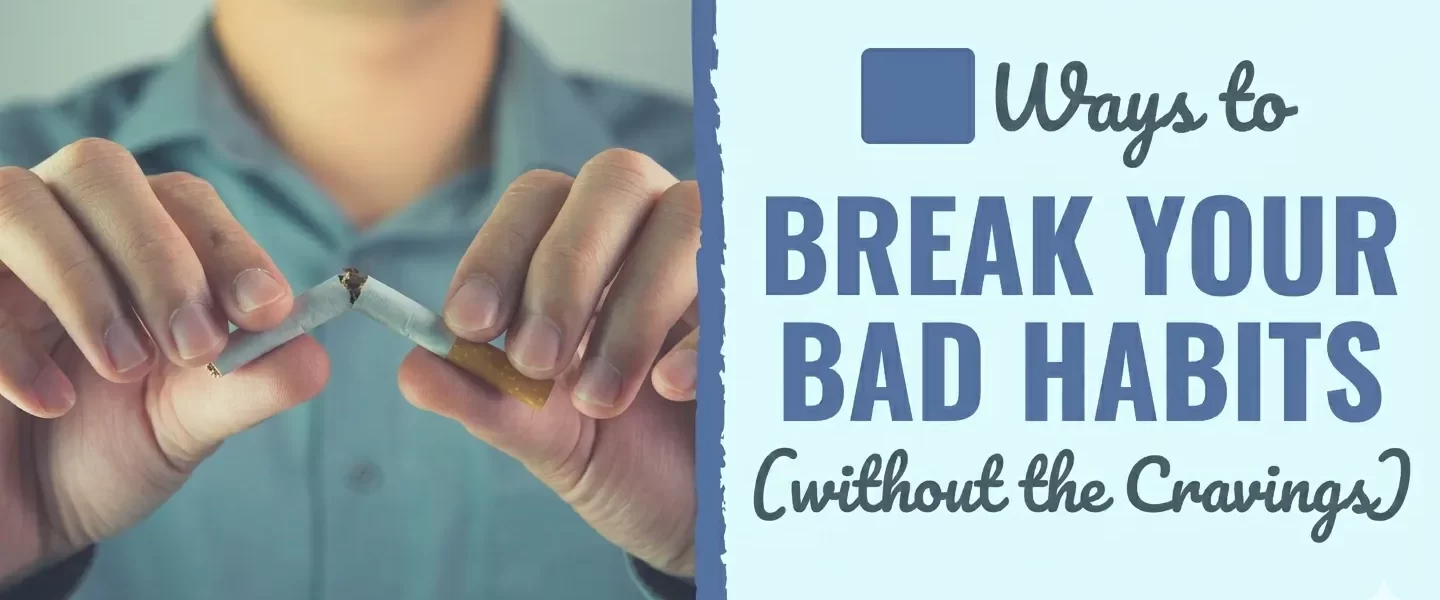
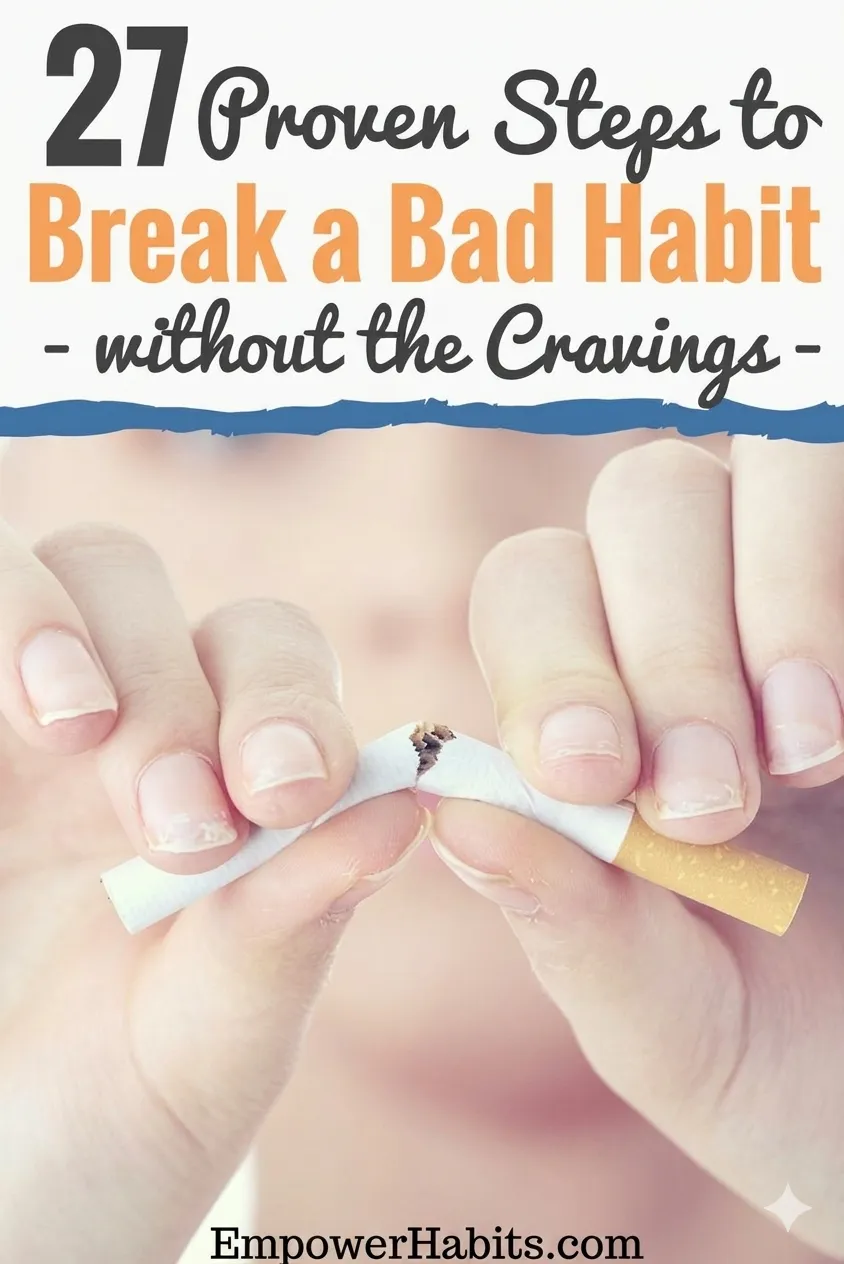
In this SEO-optimized guide, you’ll learn 27 practical, science-backed strategies to eliminate negative habits and replace them with healthier routines. These methods are organized into four powerful phases: planning, understanding, support, and long-term resilience.
Why Breaking Bad Habits Is So Difficult
Habits are deeply ingrained patterns formed through repetition. They follow a neurological loop:
- Cue (Trigger) → Routine (Behavior) → Reward (Outcome)
To break a bad habit effectively, you don’t just stop the behavior—you replace the loop with something healthier that delivers a similar reward.
Phase 1: Plan for Habit Change
1. Focus on One Habit at a Time
Trying to fix everything at once drains your willpower. Target one habit for better results.
2. Commit to a 30-Day Habit Challenge
Dedicate 30–90 days to breaking a single habit. Consistency builds momentum.
3. Set a Clear Start Date
Define when your change begins. A fixed date creates accountability and urgency.
4. Define a Specific Goal
Avoid vague intentions. Replace “eat healthier” with a measurable plan.
5. Avoid the “Cold Turkey” Trap
Quitting abruptly can backfire. Gradual reduction is more sustainable.
6. Track a Baseline Metric
Measure your current behavior (e.g., hours online, cigarettes per day).
7. Create Incremental Goals
Reduce the habit step by step instead of eliminating it instantly.
Phase 2: Understand Your Habit Loop
8. Identify the Habit Cycle
Recognize the cue, routine, and reward driving your behavior.
9. Track Your Triggers
Record:
- Location
- Time
- Mood
- People
- Activity
Patterns will emerge quickly.
10. Experiment with Alternative Rewards
Find healthier ways to achieve the same emotional benefit.
11. Evaluate What Works
If a replacement doesn’t satisfy the craving, try another.
12. Build a Response Plan
Predefine actions for triggers:
- “If X happens → I will do Y”
13. Expect the “Hot-Cold Empathy Gap”
You’ll underestimate cravings in advance. Prepare for difficult moments.
14. Use Habit Reminders
Set alarms, notes, or visual cues to stay on track.
Phase 3: Build a Support System
15. Keep an Accountability Journal
Track progress, failures, and emotional triggers daily.
16. Make a Public Commitment
Sharing your goal increases accountability and motivation.
17. Find an Accountability Partner
Work with someone who shares similar goals.
18. Ignore Negative Influences
Avoid people who discourage your progress.
19. Avoid Trigger Environments
Stay away from places linked to your bad habits.
20. Seek Professional Help (If Needed)
For serious addictions, expert guidance is often necessary.
Phase 4: Overcome Challenges and Stay Consistent
21. Maintain a Healthy Lifestyle
Sleep, hydration, and nutrition strengthen willpower.
22. Stay Positive
Reinforce your commitment with affirmations or mantras.
23. Avoid the “What-the-Hell Effect”
One mistake doesn’t mean failure—don’t spiral.
24. Practice Self-Forgiveness
Progress matters more than perfection.
25. Reward Your Progress
Celebrate milestones with non-harmful rewards.
26. Review Your Plan Daily
Revisit your goals every morning to stay focused.
27. Take It One Day at a Time
Focus on winning today—not worrying about the future.
Key Takeaways: How to Break Bad Habits Successfully
- Start small and stay consistent
- Replace habits, don’t just remove them
- Track triggers to understand behavior
- Build support systems for accountability
- Expect setbacks and keep going
Breaking bad habits is not about perfection—it’s about progress through repetition.
Final Thoughts
Eliminating bad habits doesn’t happen overnight. It’s a gradual process that requires awareness, strategy, and persistence. By applying these 27 methods, you can rewire your behavior and build a lifestyle that aligns with your goals.
Start today. Choose one habit, create a plan, and take the first step.
Your future self will thank you.
FAQs
How long does it take to break a bad habit?
Typically 30–90 days, depending on the habit and consistency.
Is willpower enough to break bad habits?
No. Systems, environment, and strategy matter more than willpower alone.
What’s the best way to handle cravings?
Replace the habit with a healthier alternative that offers a similar reward.
Can I break multiple habits at once?
It’s not recommended. Focus on one for higher success rates.