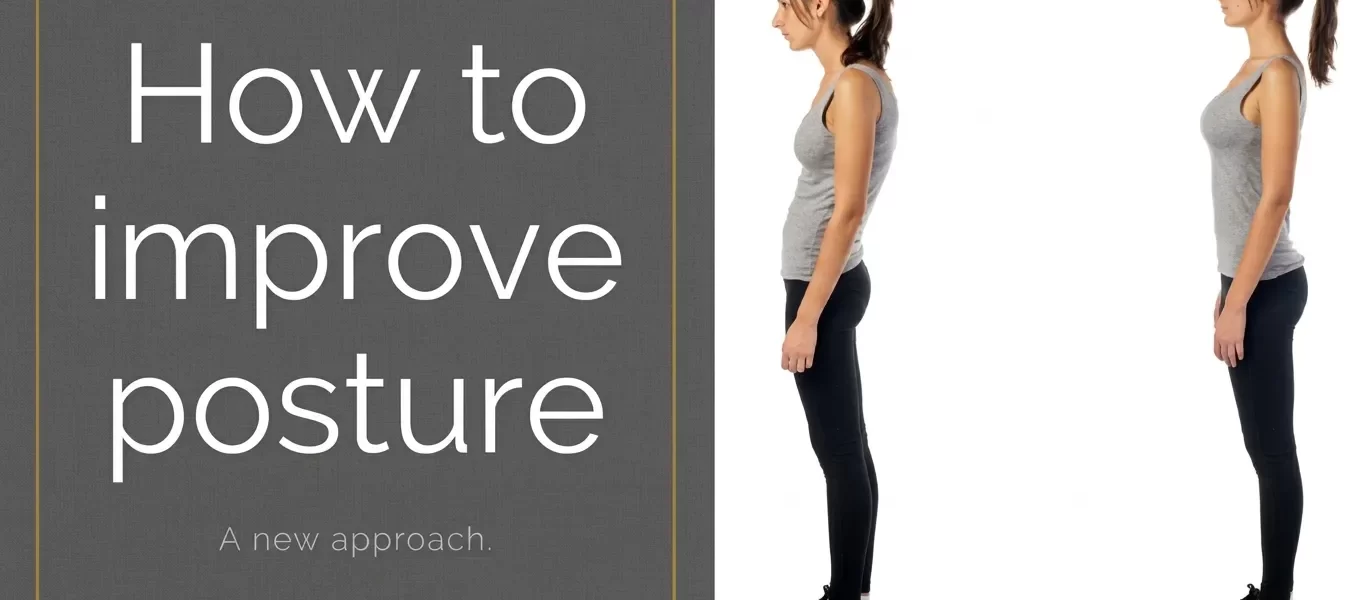
15 Strength and Stretch Exercises for Better Posture and Less Pain
 Leo Thompson
Posted on
Leo Thompson
Posted on Modern lifestyles aren’t exactly posture-friendly. Hours spent sitting at a desk, looking down at your phone, or lounging on the couch can lead to rounded shoulders, tight hips, and nagging neck or back pain. Over time, poor posture doesn’t just cause discomfort—it can affect how your entire body functions.
The good news? With the right combination of strengthening and stretching exercises, you can improve your posture, reduce pain, and move more efficiently.
Table of Contents
ToggleWhat Is Posture (and Why It Matters)?
Posture refers to how your body is positioned in space. There are two key types:
- Static posture: How you hold your body when sitting, standing, or lying down
- Dynamic posture: How your body aligns during movement like walking or exercising
Good posture means your spine maintains its natural curves:
- A gentle curve in the neck (cervical)
- A rounded curve in the mid-back (thoracic)
- A slight inward curve in the lower back (lumbar)
When these curves are balanced, your muscles, joints, and organs function optimally. Poor posture disrupts this alignment, placing unnecessary stress on muscles, ligaments, and joints.
Why Improving Posture Is Essential
Consistently poor posture can lead to:
- Chronic neck, shoulder, and back pain
- Reduced mobility and muscle imbalance
- Decreased lung capacity and circulation
- Fatigue and reduced physical performance
- Long-term joint wear and dysfunction
Improving posture isn’t just about standing up straight—it’s about restoring balance across your entire body.
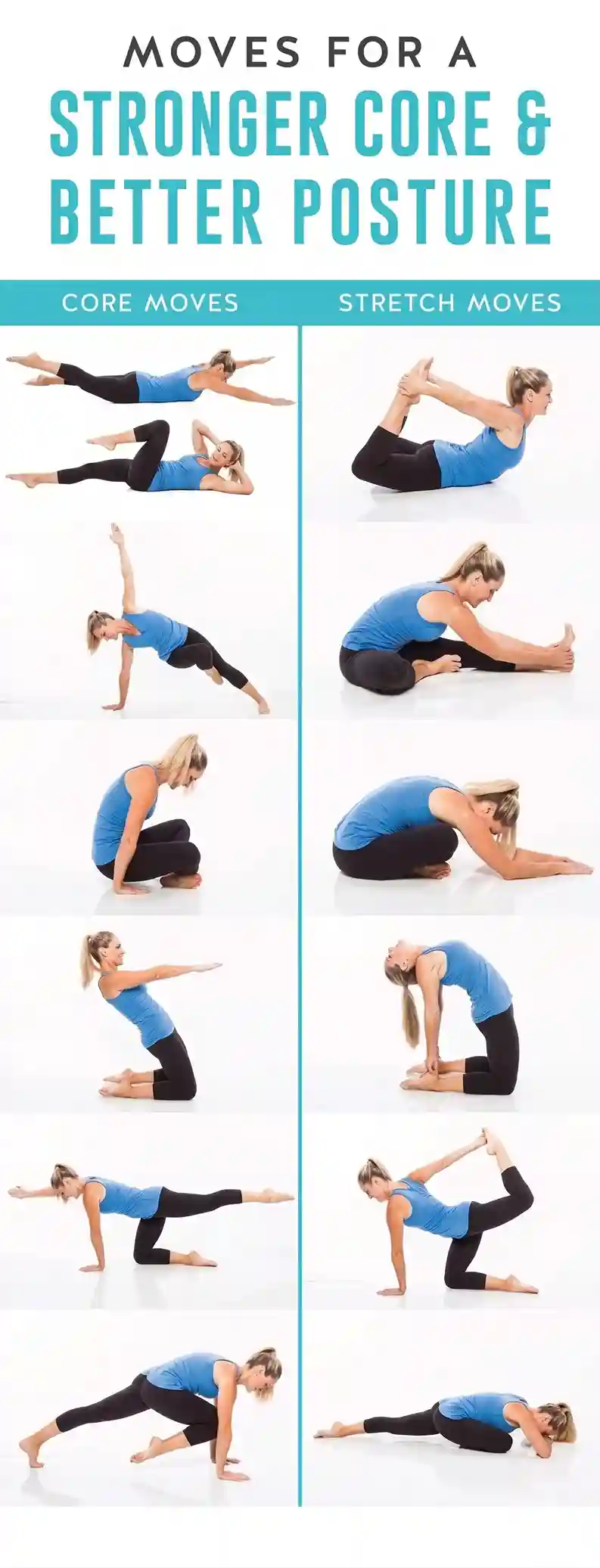
How to Tell If You Have Poor Posture
You may need to improve your posture if you notice:
- Frequent aches or stiffness, especially after sitting
- Uneven weight distribution when standing
- Rounded shoulders or forward head position
- Difficulty maintaining an upright position for long periods
Listening to your body is often the first step. If discomfort is persistent, a professional assessment can help identify underlying issues.
How to Fix Poor Posture
Improving posture requires two key strategies:
- Strengthening weak muscles (especially core and upper back)
- Stretching tight muscles (like chest, hips, and hamstrings)
Below are 15 highly effective exercises that combine both approaches.
15 Best Exercises for Better Posture
1. Cow Face Pose
Opens the shoulders and chest while improving upper-body mobility.
2. Reverse Tabletop
Strengthens the posterior chain (back, glutes) and opens the front body.
3. Bird Dog
Enhances core stability and balance while reinforcing spinal alignment.
4. Child’s Pose
Gently stretches the spine, hips, and shoulders to relieve tension.
5. Standing Forward Fold
Targets hamstrings and lower back, helping release tightness from prolonged sitting.
6. Plank
Builds core strength, which is essential for maintaining upright posture.
7. Chest Stretch
Opens tight chest muscles that contribute to rounded shoulders.
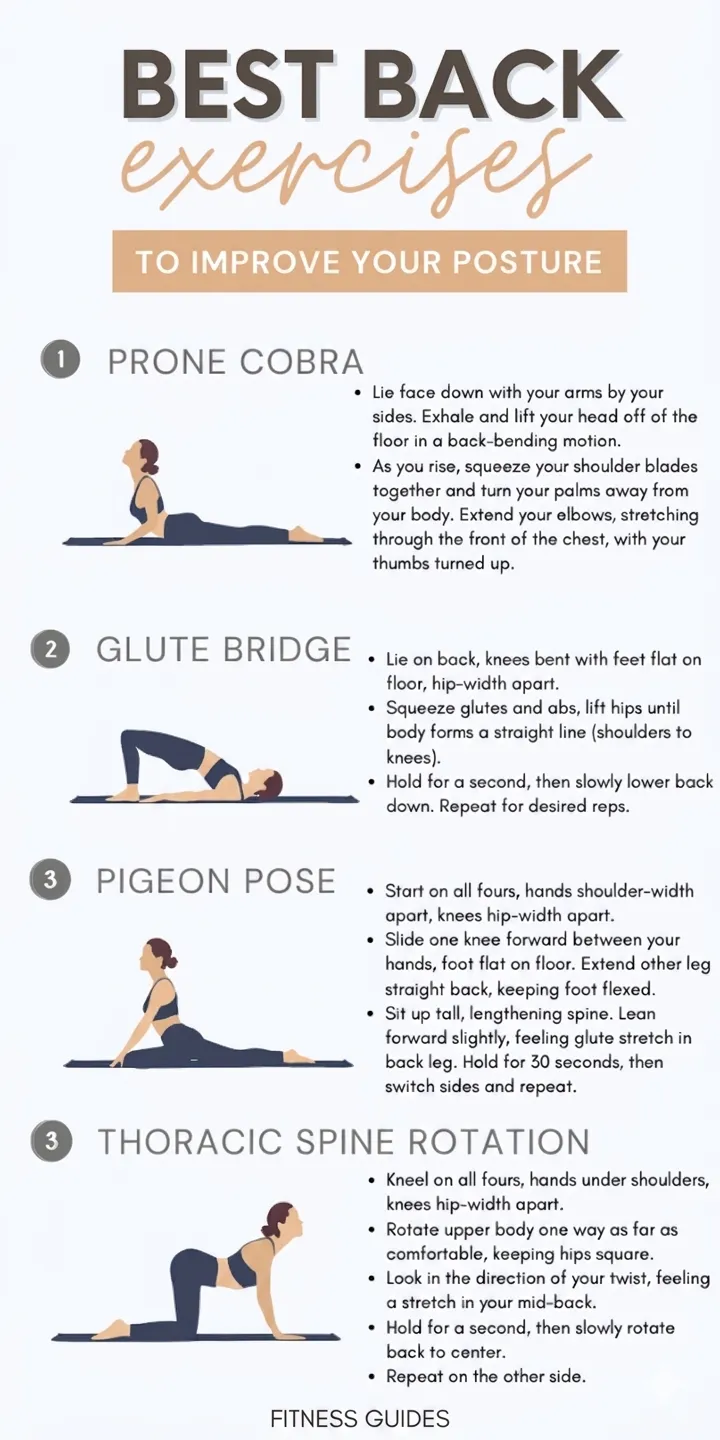
8. Pigeon Pose
Improves hip flexibility and reduces lower-body stiffness.
9. Downward Dog
Lengthens the spine and stretches the entire posterior chain.
10. Reverse Prayer Stretch
Enhances shoulder mobility and encourages better upper-back alignment.
11. Ragdoll Stretch
Releases tension in the neck, shoulders, and lower back.
12. Supine Twist
Improves spinal mobility and relieves lower back tension.
13. Bent Over Row (with resistance band)
Strengthens the upper back muscles responsible for pulling shoulders back.
14. Neck “Yes” Stretch
Improves neck mobility and reduces stiffness from screen time.
15. Neck “No” Stretch
Enhances rotational mobility and reduces tension in the cervical spine.
How Often Should You Do These Exercises?
For best results:
- Perform posture exercises 3–5 times per week
- Combine strength + stretching in each session
- Hold stretches for 15–60 seconds
- Focus on controlled movement and proper form
Even 10–15 minutes a day can make a noticeable difference over time.
Pro Tips for Better Posture Throughout the Day
- Keep your screen at eye level
- Sit with feet flat and back supported
- Take movement breaks every 30–60 minutes
- Engage your core when standing or walking
- Avoid slouching or leaning to one side
Consistency in daily habits matters just as much as exercise.
Final Thoughts
Improving posture is not about perfection—it’s about awareness and gradual correction. By strengthening weak muscles and stretching tight ones, you can reduce pain, improve alignment, and enhance overall movement quality.
Start small, stay consistent, and focus on how your body feels. Over time, better posture becomes less of an effort—and more of a natural state.