
Traveling the world doesn’t have to be expensive. While many people assume that exploring new destinations requires a large budget, the truth is that with smart planning and the right strategies, you can enjoy unforgettable adventures without overspending. By focusing on cost-saving techniques and prioritizing meaningful experiences, budget travel becomes not only possible but incredibly rewarding.
One of the most important steps to saving money while traveling is planning early.

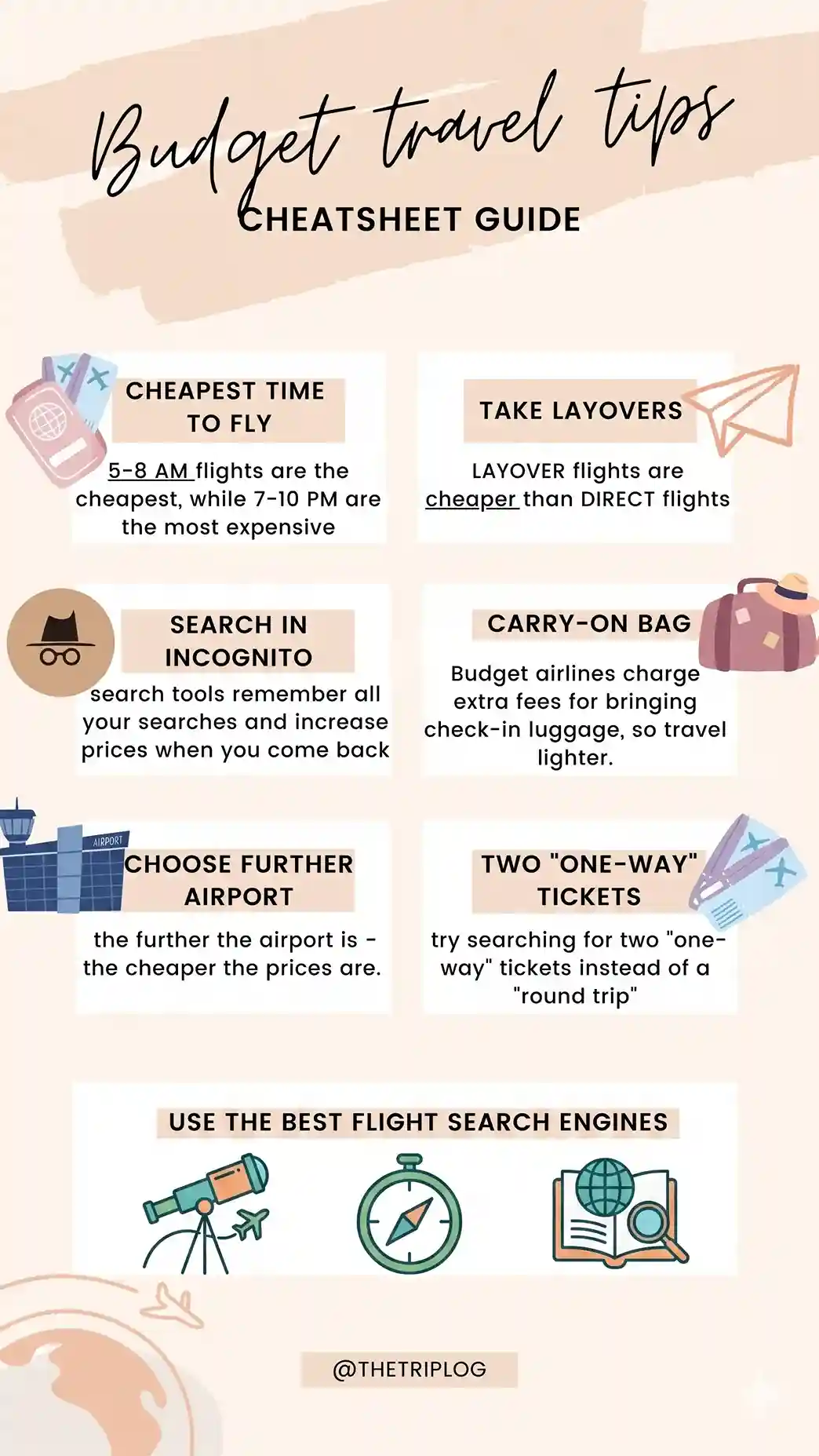
When you give yourself enough time, you can compare flight prices, monitor deals, and book accommodations at lower rates. Prices for flights and hotels often fluctuate, so early planning allows you to secure the best options before costs rise. It also gives you time to research destinations and build a realistic travel budget.
Choosing the right destination plays a huge role in how much you spend. Some places are naturally more affordable than others, offering great experiences at a lower cost. Regions such as Southeast Asia, South America, and Eastern Europe are known for their rich culture and budget-friendly prices. Even within more expensive countries, you can save money by avoiding major tourist hotspots and exploring lesser-known areas.
Setting a clear travel budget is essential if you want to avoid financial stress. Start by listing all possible expenses, including transportation, accommodation, food, activities, and small extras like souvenirs. Once you have an estimate, add a buffer for unexpected costs. This approach helps you stay in control of your spending and ensures that you can enjoy your trip without worrying about money.
Transportation is often one of the biggest travel expenses, but there are many ways to reduce costs. Finding cheap flights through comparison tools and being flexible with your travel dates can make a significant difference. Once you arrive at your destination, using public transportation instead of taxis or rental cars can save a considerable amount of money. In many cities, buses, trains, and subways are not only affordable but also efficient and easy to use.
Accommodation is another area where you can cut costs without sacrificing comfort. Budget travelers often choose hostels, guesthouses, or shared accommodations to save money. These options not only reduce expenses but also provide opportunities to meet other travelers and experience local culture. Staying slightly outside city centers can also lower costs while still giving you access to major attractions.
Food is an essential part of travel, but dining out for every meal can quickly drain your budget. A simple way to save money is by cooking some of your own meals or shopping at local markets. Eating like a local—whether through street food or small neighborhood restaurants—can give you authentic experiences at a fraction of the price. Often, the best meals are found away from tourist-heavy areas.
When it comes to activities and sightseeing, there are plenty of low-cost or even free options available. Many destinations offer free walking tours, discounted museum days, and public attractions such as parks, beaches, and historical sites. Exploring nature, walking through local neighborhoods, or attending community events can provide meaningful experiences without costing much.
Another effective way to save money is by traveling during the off-peak season. During these times, flights and accommodations are typically cheaper, and popular destinations are less crowded. This allows you to enjoy a more relaxed experience while also reducing your overall expenses.

Using travel rewards and loyalty programs can also help you stretch your budget further. Many airlines, hotels, and booking platforms offer points or discounts that can be redeemed for future trips. Over time, these rewards can significantly reduce travel costs, especially for frequent travelers.
Packing smart is another often overlooked strategy. Traveling light helps you avoid baggage fees and makes moving around easier. By bringing versatile clothing and only essential items, you can save both money and time throughout your journey.
Finally, while it may seem like an extra expense, travel insurance is worth considering. It provides protection against unexpected situations such as trip cancellations, medical emergencies, or lost luggage. Having coverage can save you from much larger financial losses in the long run.
In conclusion, traveling on a budget is all about making intentional choices. By planning ahead, choosing affordable destinations, and being mindful of your spending, you can explore the world without compromising your financial well-being. With the right approach, budget travel allows you to experience new cultures, meet people, and create lasting memories—proving that adventure doesn’t have to come with a high price tag.