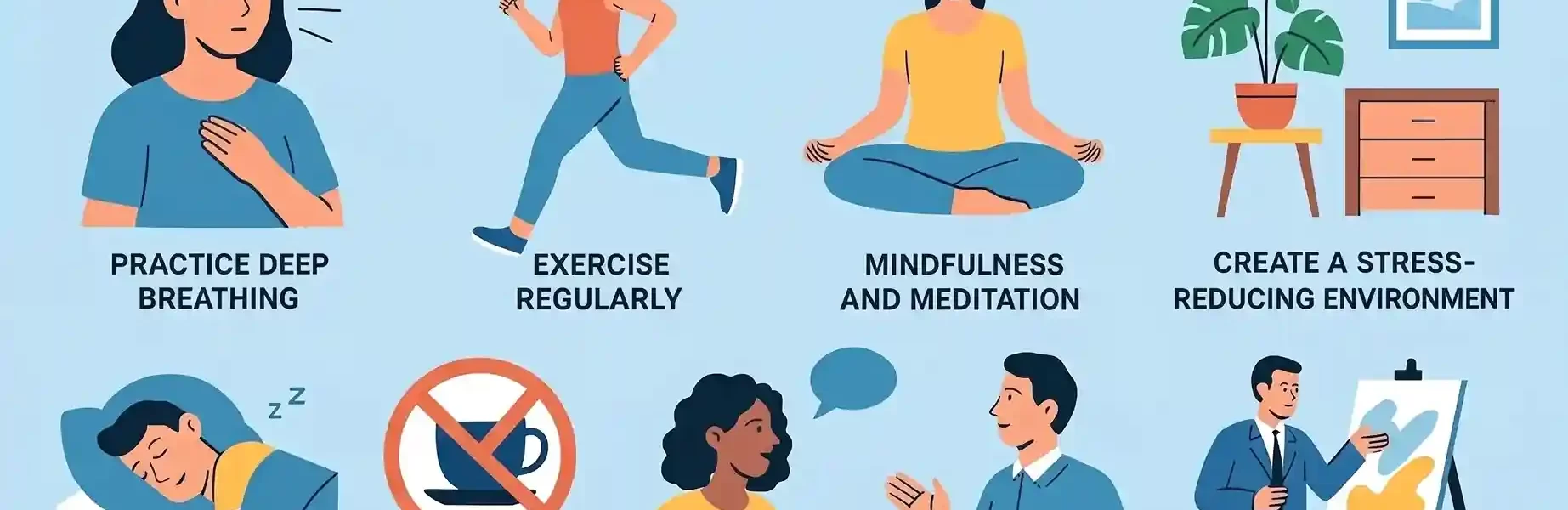

Stress at work is nearly unavoidable. Tight deadlines, constant notifications, and the pressure to perform can quickly build up, leaving you feeling overwhelmed and exhausted. While short-term stress can sometimes boost productivity, chronic stress can negatively impact your health, focus, and overall well-being.
The good news? You don’t need drastic changes to feel better. With a few simple, science-backed strategies, you can reduce stress, improve productivity, and regain control of your workweek.
Why Managing Stress at Work Matters
Before diving into solutions, it’s important to understand why stress management is essential. Prolonged stress doesn’t just affect your mood—it can lead to:
- Decreased productivity and focus
- Burnout and fatigue
- Sleep disturbances
- Increased risk of heart disease and anxiety disorders
By incorporating small daily habits, you can protect both your mental and physical health while improving your performance at work.
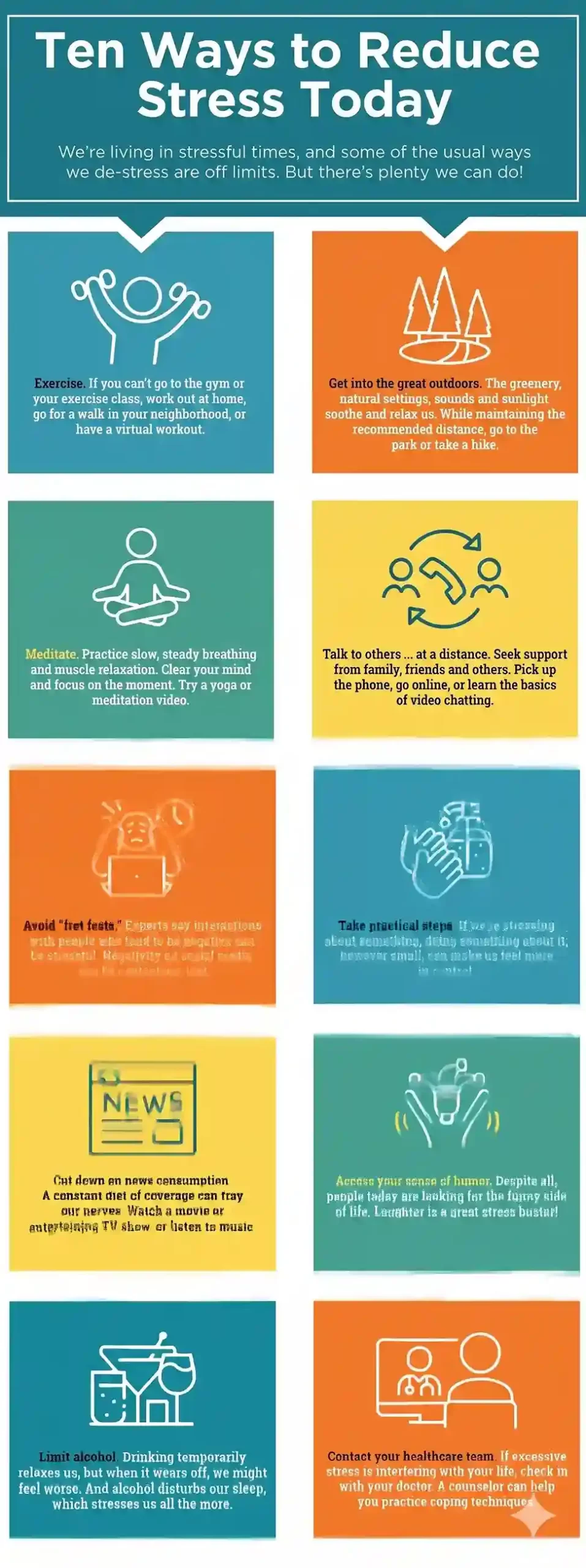
1. Start Your Day With Movement
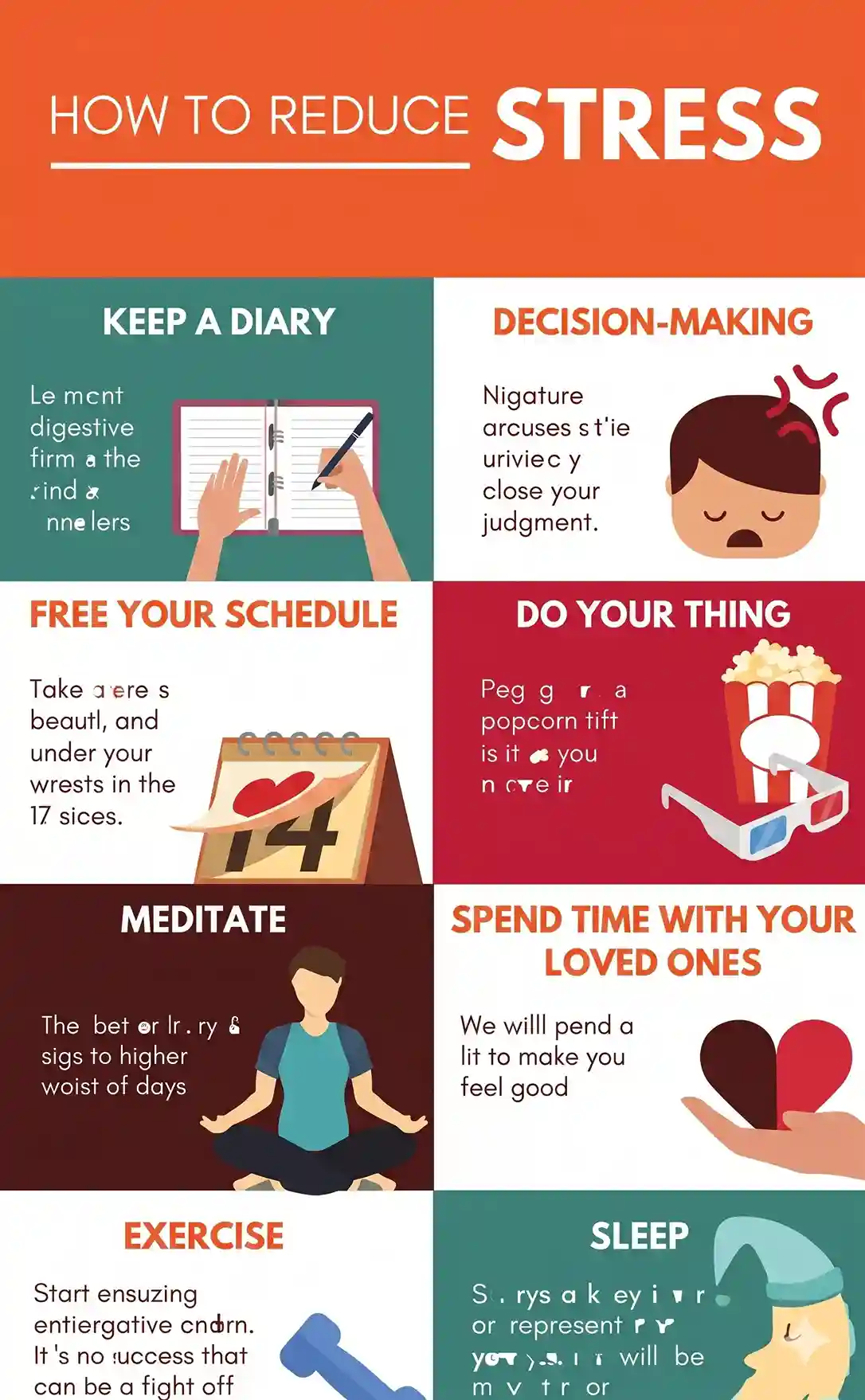
One of the easiest ways to reduce stress is to move your body in the morning. You don’t need an intense workout—just 10–15 minutes of light exercise can make a big difference.
Try:
- Stretching or yoga
- A short walk
- Light bodyweight exercises
Physical activity releases endorphins, which help improve mood, reduce anxiety, and increase energy levels for the day ahead.
2. Prioritize Your Tasks Effectively
Feeling overwhelmed often comes from trying to do everything at once. Instead of tackling a long to-do list, focus on your top three priorities each day.
This approach helps you:
- Stay focused on what truly matters
- Reduce mental clutter
- Feel a sense of accomplishment earlier
Breaking tasks into manageable steps makes your workload feel less intimidating.
3. Practice Deep Breathing Techniques
When stress rises, your breathing becomes shallow, signaling your body to stay in “fight or flight” mode. Deep breathing can quickly calm your nervous system.
Try the 4-7-8 breathing technique:
- Inhale for 4 seconds
- Hold for 7 seconds
- Exhale for 8 seconds
Repeat this cycle a few times whenever you feel tension building.
4. Take Regular Screen Breaks
Working in front of screens for long periods can increase fatigue and stress. Make it a habit to take short breaks every hour.
Use this time to:
- Stand up and stretch
- Walk around
- Get fresh air
These micro-breaks improve circulation, reduce eye strain, and help your mind reset.
5. Stay Hydrated and Eat Mindfully
What you eat and drink plays a major role in how you handle stress.
Tips to follow:
- Keep a water bottle nearby
- Avoid skipping meals
- Choose balanced foods with protein, whole grains, and vegetables
Proper nutrition helps stabilize your energy levels and prevents stress-related fatigue.
6. Learn to Say No
Overcommitting is a major cause of workplace stress. While it’s natural to want to help others, taking on too much can lead to burnout.
Practice setting boundaries by:
- Politely declining extra tasks when needed
- Suggesting alternative timelines
- Focusing on quality over quantity
Protecting your time allows you to perform better and feel less overwhelmed.
7. Use Mindfulness or Meditation
Mindfulness and meditation are powerful tools for stress management. Even a few minutes a day can help you feel calmer and more focused.
You can:
- Practice guided meditation
- Use mindfulness apps
- Focus on your breathing for a few minutes
These techniques help you stay present and reduce mental clutter.
8. Incorporate Movement Into Your Workday
If your job requires long hours of sitting, find small ways to stay active throughout the day.
Simple ideas include:
- Standing during phone calls
- Walking during lunch breaks
- Stretching at your desk
Regular movement reduces stress hormones and keeps your energy levels steady.
9. Set Clear Work-Life Boundaries
In today’s digital world, it’s easy for work to spill into personal time. Without boundaries, stress can follow you even after work hours.
Create a healthy balance by:
- Turning off notifications after work
- Setting a consistent end-of-day routine
- Keeping work and personal spaces separate
These habits help your mind unwind and recharge.
10. Stay Connected With Others
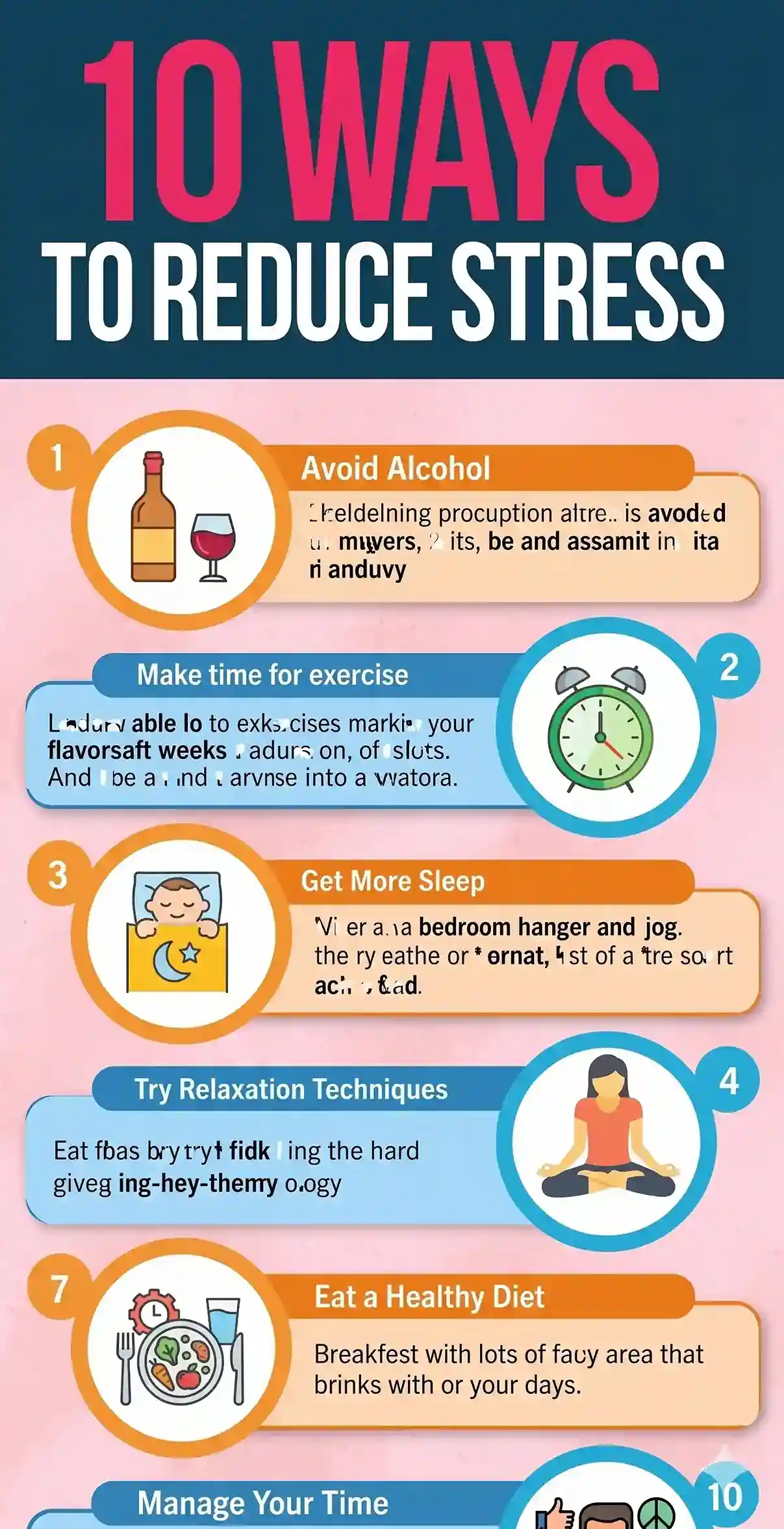
Social connection is one of the most effective stress relievers. Talking to someone you trust can instantly improve your mood.
Make time to:
- Chat with a colleague
- Call a friend
- Spend time with family
Meaningful interactions provide emotional support and remind you that you’re not alone.
Build a Healthier, Less Stressful Workweek
You don’t need to overhaul your entire routine to reduce stress. Start with one or two strategies that feel manageable and gradually build from there.
Small, consistent changes can lead to:
- Better focus and productivity
- Improved mental health
- Greater overall well-being
Final Thoughts
Stress is a natural part of a busy workweek, but it doesn’t have to control your life. By incorporating simple habits like movement, mindful breathing, and better boundaries, you can create a healthier, more balanced routine.
Start today. Even one small change can make your workweek feel lighter, calmer, and more manageable.