

Introduction
Starting your fitness journey can feel overwhelming. Walking into a gym for the first time, seeing unfamiliar equipment, and comparing yourself to others can quickly shake your confidence. But here’s the truth: everyone starts somewhere.
This beginner’s guide to fitness will simplify the process and help you build a strong foundation—without stress or confusion. Whether your goal is weight loss, muscle gain, or overall health, this guide will show you how to start your gym journey the right way.
Why Fitness Matters for Long-Term Health
Most beginners start working out to lose weight or look better—and that’s completely valid. However, the benefits of exercise go far beyond appearance.
Regular physical activity helps:
Improve cardiovascular health
Reduce the risk of chronic diseases (heart disease, diabetes)
Strengthen bones and joints
Boost energy levels
Improve sleep quality
Exercise also supports mental health by releasing endorphins, reducing stress, and improving confidence. Simply put, fitness is an investment in your future.
Step 1: Define Your “Why”
Before stepping into the gym, ask yourself:
Why do I want to get fit?
Your “why” is your internal motivation. It keeps you going when things get tough.
Examples include:
Improving health and avoiding disease
Building confidence
Having more energy for daily life
Becoming stronger for family or personal goals
The clearer your reason, the easier it is to stay consistent.
Step 2: Set SMART Fitness Goals
Once you know your “why,” turn it into actionable goals using the SMART method:
Specific: Clear and detailed (e.g., lose 5kg in 3 months)
Measurable: Track progress (weight, reps, time)
Achievable: Realistic for your lifestyle
Relevant: Aligned with your purpose
Time-bound: Set a deadline
Writing down your goals increases accountability and motivation.
Step 3: Start Simple – What Counts as Exercise?
You don’t need fancy equipment or a gym membership to begin. If you’re moving your body, you’re already making progress.
Beginner-friendly activities include:
Walking or jogging
Home workouts (squats, push-ups)
Dancing or sports
Cycling or swimming
The key is consistency, not complexity.
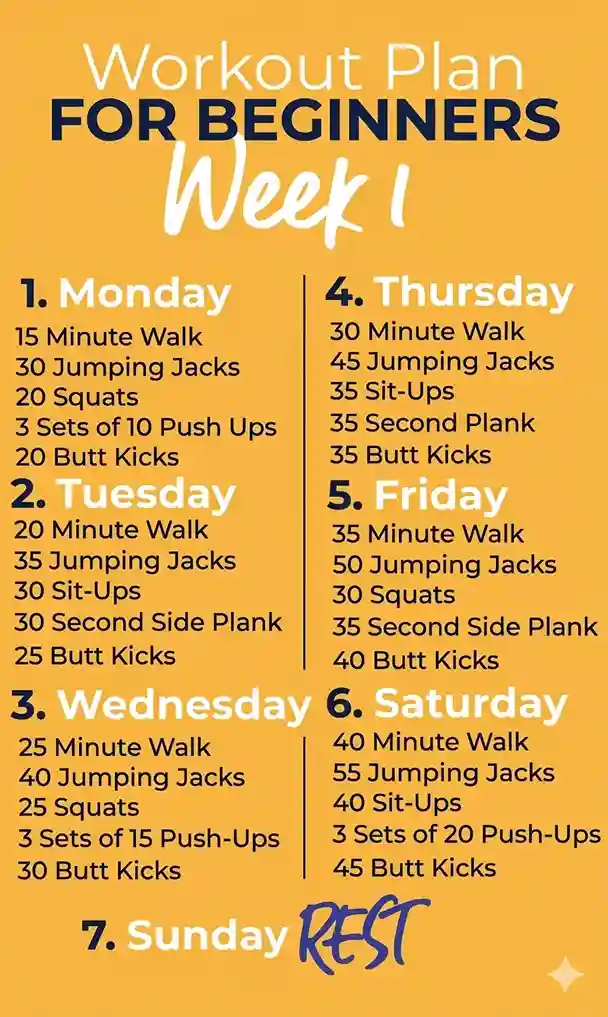
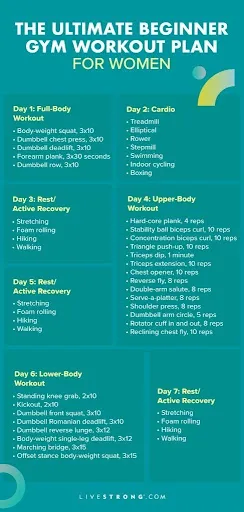
Step 4: Create a Realistic Workout Plan
A structured plan helps you stay on track and avoid burnout.
Beginner Workout Options:
3-Day Full Body Split (best for beginners)
Upper/Lower Split
Push/Pull/Legs (more advanced)
Choose a routine that fits your schedule and energy level. If possible, consider working with a personal trainer or following trusted online programs.
Step 5: Understand the Two Main Types of Exercise
1. Cardio (Aerobic Training)
Running, walking, cycling
Improves heart and lung health
Boosts endurance
👉 Beginners should aim for 150 minutes/week of moderate cardio.
2. Strength Training
Weightlifting or bodyweight exercises
Builds muscle and bone strength
Improves metabolism
For best results, combine both cardio and strength training.
Step 6: Learn Proper Form
Good technique is critical. Poor form can lead to injury and slow progress.
Key principles:
Keep a neutral spine
Engage your core
Move with control
Use full range of motion
Start with light weights
If unsure, ask a trainer or watch reliable tutorials.
Step 7: Choose the Right Gym Environment
Not all gyms are the same. Pick one that fits your personality and goals:
Commercial gyms: Variety and flexibility
Boutique studios: Structured classes
Strength gyms: Focus on lifting
Specialty gyms: Boxing, martial arts, etc.
Tip: Try a free trial before committing.
Step 8: Get Basic Workout Essentials
You don’t need expensive gear, but a few items help:
Comfortable workout clothes
Proper training shoes
Water bottle
Workout log or app
Headphones for motivation
Optional: resistance bands, lifting gloves, foam roller.
Step 9: Follow Gym Etiquette
Respecting others creates a better workout environment:
Wipe equipment after use
Put weights back
Don’t hog machines
Avoid loud distractions
Respect personal space
Good etiquette = better experience for everyone.
Step 10: Focus on Nutrition
You can’t out-train a bad diet.
Basic nutrition tips:
Eat enough protein
Control portions
Avoid processed foods
Drink plenty of water
Limit sugary drinks
Nutrition fuels your workouts and accelerates results.
Step 11: Don’t Skip Recovery
Recovery is where progress happens.
Make sure to:
Get enough sleep (7–8 hours)
Take rest days
Stretch regularly
Manage stress
Rest helps muscles rebuild stronger and prevents injuries.
Step 12: Track Progress Beyond the Scale
Progress isn’t just about weight loss.
Look for:
Increased strength
Better endurance
Improved mood
Higher energy levels
Consistency
These are strong indicators your plan is working.
Step 13: Stay Consistent and Be Patient
When starting out, expect:
Muscle soreness
Slow visible results
Gradual improvement
This is normal. Fitness is a long-term journey, not a quick fix.
Conclusion
Starting your fitness journey doesn’t have to be complicated. Focus on the basics: clear goals, consistent workouts, proper nutrition, and adequate recovery.
Remember:
The best workout plan is the one you can stick to.
Take the first step today. Stay consistent, trust the process, and over time, you’ll build a stronger, healthier, and more confident version of yourself.