
Introduction: Is Stress Helping or Hurting You?
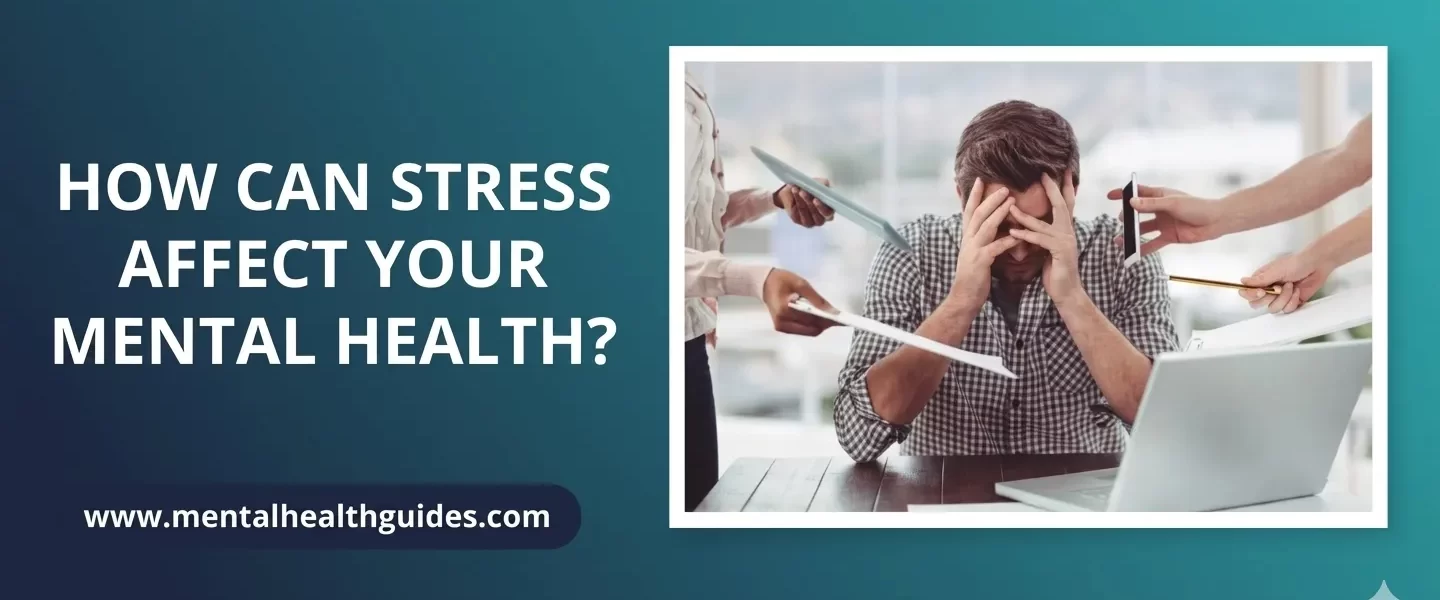
Stress is a natural part of life. In small doses, it can actually be beneficial—helping you stay alert, focused, and motivated. But when stress becomes constant, it can turn into a serious health risk.
Chronic stress doesn’t just affect your mood—it impacts your entire body, increasing the risk of physical and mental health problems. Understanding how stress works and how to manage it is essential for long-term well-being.
What Is Stress? A Natural Survival Response
Stress is your body’s automatic reaction to challenges or threats. When you encounter a stressful situation, your body activates the “fight-or-flight” response.
What Happens in Your Body:
- Release of stress hormones like adrenaline and cortisol
- Increased heart rate and blood pressure
- Boost in energy and alertness
This response was designed to protect humans from danger. However, in modern life, everyday pressures—like deadlines, finances, and responsibilities—trigger the same reaction repeatedly.
Short-Term Stress vs. Chronic Stress
Acute (Short-Term) Stress
- Temporary and situation-based
- Can improve performance and focus
- Examples: job interviews, presentations, deadlines
Even short-term stress can cause symptoms like:
- Headaches
- Stomach discomfort
- Increased heart rate
Chronic (Long-Term) Stress
When stress persists over time, it becomes chronic—and far more harmful.
Common signs of chronic stress:
- Fatigue and low energy
- Difficulty concentrating
- Irritability or mood swings
Over time, chronic stress leads to wear and tear on the body, disrupting multiple systems.
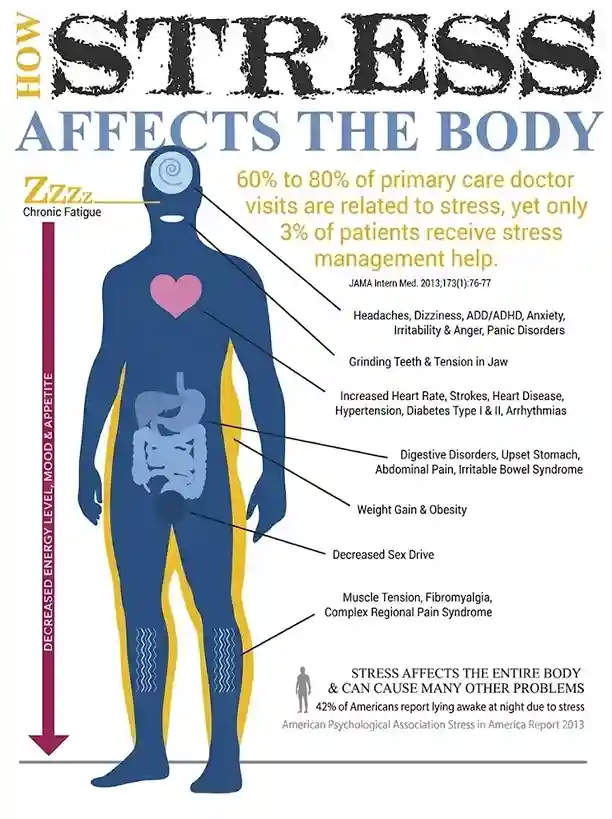
How Stress Affects Your Health
1. Cardiovascular System
Chronic stress increases:
- Blood pressure
- Risk of heart disease and heart attack
- Inflammation in blood vessels
2. Mental Health
Long-term stress is strongly linked to:
- Anxiety
- Depression
- Emotional burnout
3. Immune System
Stress weakens your immune response, making it harder to:
- Fight infections
- Recover from illness
4. Digestive System
Stress can cause:
- Stomach pain
- Digestive issues
- Changes in appetite
5. Brain Function
Chronic stress affects:
- Memory
- Focus and concentration
- Decision-making ability
6. Sleep and Weight
- Disrupts sleep patterns
- Increases risk of weight gain
- Alters hormone balance
The Hidden Impact: Stress and Lifestyle Habits
Stress doesn’t just affect your body directly—it also influences your behavior.
People under stress may:
- Overeat or choose unhealthy foods
- Smoke or drink more
- Avoid physical activity
These habits further increase the risk of chronic diseases.
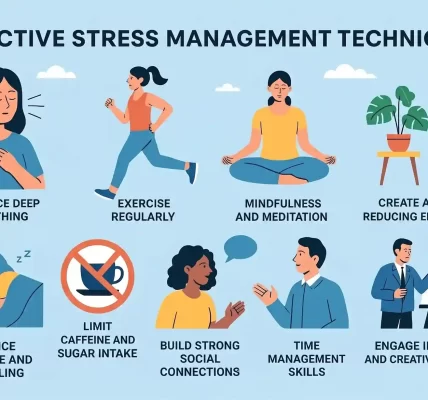
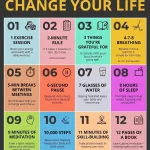
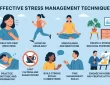
Effective Ways to Reduce Stress
Managing stress is not about eliminating it completely—it’s about controlling how you respond.
1. Identify Your Stress Triggers
- Track what causes your stress
- Write down your thoughts and reactions
- Create a plan to address key issues
2. Build Strong Relationships
Social support is one of the most powerful stress buffers.
- Talk to friends or family
- Share your concerns
- Seek advice or emotional support
3. Stay Physically Active
Exercise helps reduce stress by releasing endorphins, your body’s natural mood boosters.
- Go for a daily walk
- Try yoga or stretching
- Engage in regular physical activity
4. Practice Mindfulness and Relaxation
Relaxation techniques can calm your mind and body.
- Deep breathing exercises
- Meditation or yoga
- Taking breaks from screens
5. Prioritize Quality Sleep
Lack of sleep worsens stress levels.
Tips for better sleep:
- Aim for 7–8 hours per night
- Avoid caffeine before bed
- Maintain a consistent sleep schedule
6. Set Boundaries and Priorities
- Focus on what truly matters
- Say no to unnecessary tasks
- Manage your time effectively
7. Seek Professional Help When Needed
If stress becomes overwhelming, consider speaking with a mental health professional. Therapy can help you develop effective coping strategies and regain control.
Final Thoughts: Take Control of Your Stress
Stress is unavoidable—but chronic stress is manageable.
By understanding how stress affects your body and taking proactive steps to reduce it, you can:
- Improve your physical health
- Strengthen your mental well-being
- Enhance your overall quality of life
Start small. Stay consistent. Your health depends on it.
Because managing stress isn’t just about feeling better today—it’s about protecting your future.