
Longevity: Lifestyle Strategies for Living a Healthy, Long Life
 Leo Thompson
Posted on
Leo Thompson
Posted on Table of Contents
ToggleIntroduction: How to Live Longer and Better
Living a long life is a goal many people share—but true longevity isn’t just about adding years to your life; it’s about adding life to your years. While genetics can influence how long you live, research shows that lifestyle choices play a much bigger role in determining your overall health, vitality, and quality of life.
The good news? You don’t need drastic changes. Simple, consistent habits—like eating well, staying active, and managing stress—can significantly improve your chances of living a longer, healthier life.
What Is Longevity?
Longevity refers to living a long life, but it also encompasses maintaining good physical, mental, and emotional health over time.
Over the past century, life expectancy has increased dramatically. While genetics account for about 25% of lifespan variation, the remaining majority depends on how you care for your body and mind.
In other words: your daily habits matter more than your DNA.
Why Lifestyle Choices Matter for Longevity
Many people focus only on lifespan, but healthspan—the number of years you live in good health—is equally important.
Healthy lifestyle choices can help you:
- Prevent chronic diseases
- Maintain energy and mobility
- Improve mental clarity
- Enhance overall quality of life
The foundation of longevity comes down to three pillars:
- Nutrition
- Physical activity
- Healthy daily habits
1. Nutrition: Fuel Your Body for a Longer Life
What you eat directly impacts your cells, and your cells determine how your body functions over time.
Benefits of a Healthy Diet
A balanced, nutrient-rich diet:
- Supports immune function
- Protects cells from damage
- Reduces inflammation
- Helps prevent chronic diseases
In contrast, diets high in sugar, processed foods, and unhealthy fats can increase the risk of:
- Heart disease
- Type 2 diabetes
- Obesity
- Certain cancers
The Best Diet for Longevity
One of the most effective dietary patterns for longevity is a plant-based diet, particularly the Mediterranean-style approach.
Key components include:
- Fruits and vegetables
- Whole grains
- Nuts and seeds
- Legumes
- Healthy fats (like olive oil)
- Moderate intake of fish
- Limited red and processed meats
These foods are rich in antioxidants (like vitamins A, C, and E), which help protect your cells from damage and slow aging processes.
Important: You don’t have to eliminate meat entirely—just focus on making plant-based foods the majority of your diet.
2. Physical Activity: Move More to Live Longer
Regular exercise is one of the most powerful tools for increasing longevity.
Benefits of Physical Activity
Staying active helps:
- Strengthen the heart and lungs
- Improve circulation
- Build muscle and bone strength
- Maintain a healthy weight
- Enhance balance and coordination
It also lowers the risk of:
- Heart disease
- Stroke
- Diabetes
- Falls and injuries
How Much Exercise Do You Need?
Health guidelines recommend:
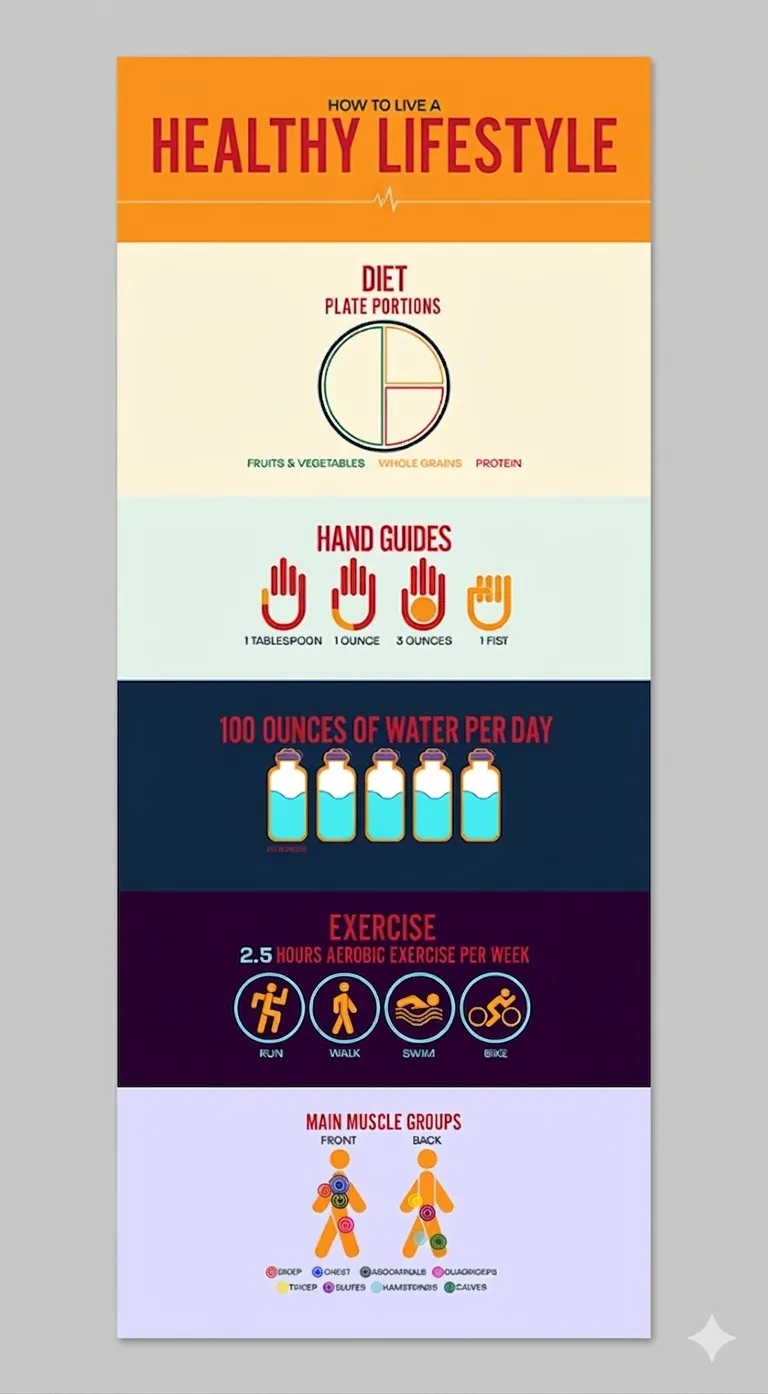
- 150 minutes of moderate activity per week (e.g., walking, light strength training)
or - 75 minutes of vigorous activity (e.g., running, swimming)
or - A combination of both
Plus:
- Strength training at least 2 days per week
Tip: Even small activities like cleaning, gardening, or stretching count. The key is consistency.
3. Maintain a Healthy Weight
Maintaining a healthy weight is essential for reducing the risk of chronic diseases and improving overall longevity.
Instead of relying on short-term diets, focus on:
- Building sustainable eating habits
- Staying physically active
- Being mindful of daily behaviors
Long-term consistency always beats quick fixes.
4. Additional Lifestyle Habits That Promote Longevity
Beyond diet and exercise, several daily habits have a major impact on how long—and how well—you live.
Don’t Smoke
Smoking significantly shortens lifespan and increases the risk of:
- Lung disease
- Heart disease
- Cancer
If you don’t smoke, don’t start. If you do, quitting is one of the most powerful health decisions you can make.
Limit Alcohol Consumption
Excessive alcohol intake can lead to:
- Liver damage
- Weakened immune function
- Increased risk of accidents and chronic diseases
Moderation is key—but less is always better.
Get Enough Sleep
Quality sleep is essential for:
- Brain function
- Immune health
- Emotional well-being
Aim for 7–9 hours of sleep per night to support long-term health and longevity.
Stay Hydrated
Proper hydration supports:
- Organ function
- Energy levels
- Cognitive performance
Studies show that well-hydrated individuals tend to have better health outcomes and longer lifespans.
Stay Socially Connected
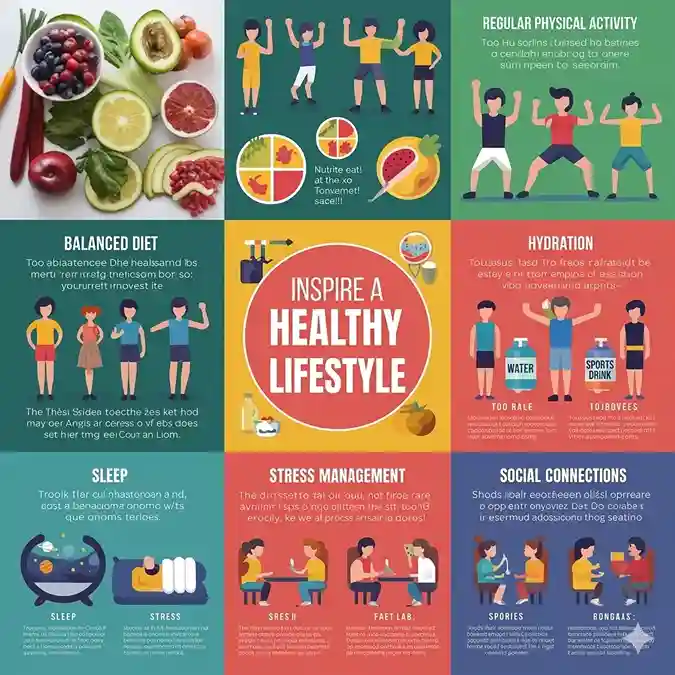
Strong social connections are linked to:
- Lower stress levels
- Better mental health
- Increased lifespan
Regular interaction with friends, family, or community groups can significantly improve your quality of life.
Think Positive
Your mindset matters more than you might think.
Research shows that optimism and positive thinking are associated with:
- Longer lifespan
- Better emotional health
- Greater resilience
Final Thoughts: Small Habits, Big Impact
Longevity isn’t determined by one single factor—it’s the result of consistent, healthy choices over time.
To live a longer, healthier life:
- Eat a balanced, plant-focused diet
- Stay physically active
- Prioritize sleep and mental well-being
- Avoid harmful habits like smoking
- Maintain strong social connections
You don’t need perfection—just progress.
Start small, stay consistent, and remember: the habits you build today shape the life you’ll live tomorrow.