How to Incorporate Healthy Habits Into a Busy Professional Schedule
 Leo Thompson
Posted on
Leo Thompson
Posted on Table of Contents
ToggleIntroduction: Can You Really Stay Healthy With a Packed Schedule?
In today’s fast-paced professional world, staying healthy often feels like a luxury rather than a necessity. With back-to-back meetings, tight deadlines, and endless to-do lists, many professionals struggle to prioritize their well-being. But here’s the truth: healthy habits are not only possible—they are essential for long-term productivity and success.
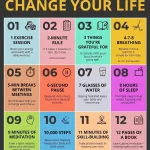
Instead of drastic lifestyle changes, the key lies in small, consistent actions that fit seamlessly into your daily routine. This guide will walk you through practical, sustainable strategies to help you build healthy habits—even with the busiest schedule.
Why Healthy Habits Matter for Professionals
Neglecting your health might seem like a shortcut to getting more done, but it often leads to the opposite outcome. Poor lifestyle choices can result in:
- Burnout and chronic fatigue
- Reduced focus and productivity
- Increased risk of long-term health issues
On the other hand, maintaining healthy habits can:
- Boost energy levels
- Improve mental clarity
- Enhance overall work performance
- Support long-term career growth
Your health is your most valuable asset—investing in it pays dividends both personally and professionally.
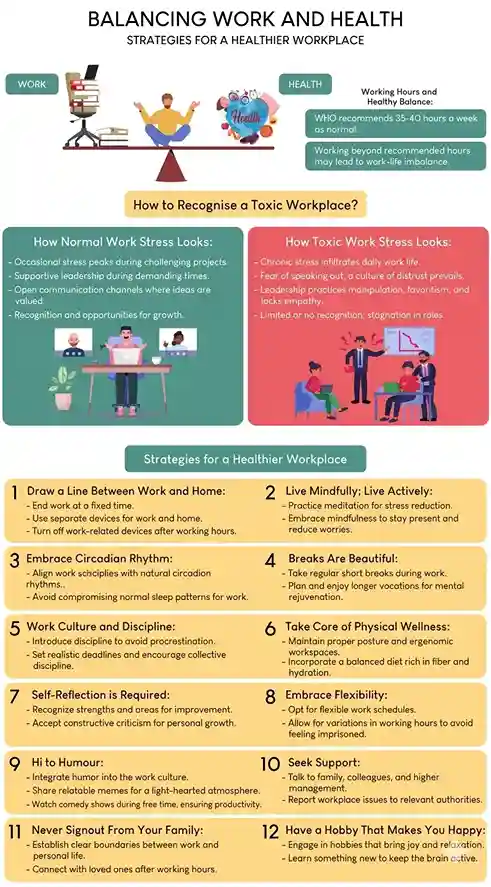
Common Barriers to Healthy Living
Before building better habits, it’s important to understand what’s holding you back.
1. Time Constraints & Demanding Schedules
Long working hours, commuting, and personal responsibilities leave little room for self-care, making it difficult to exercise, cook healthy meals, or even relax.
2. Sedentary Lifestyle & Screen Overload
Modern jobs often require prolonged sitting and continuous screen exposure, which can lead to poor posture, fatigue, and increased health risks.
3. Unhealthy Eating Habits
Busy schedules often push professionals toward fast food, processed snacks, and sugary drinks—quick fixes that lead to energy crashes and poor health over time.
4. Chronic Stress
High-pressure environments contribute to stress, which negatively impacts both mental and physical health, reducing productivity and overall well-being.
Practical Strategies to Build Healthy Habits
The good news? You don’t need a complete lifestyle overhaul. These simple strategies can help you integrate healthy habits into your routine.
1. Optimize Your Nutrition
What you eat directly impacts how you perform.
Actionable tips:
- Plan meals ahead of time (meal prep on weekends)
- Choose nutrient-dense foods (lean protein, vegetables, healthy fats)
- Keep healthy snacks on hand (nuts, fruits, yogurt)
- Stay hydrated—carry a reusable water bottle
Quick idea: A smoothie with protein, greens, and healthy fats can be a fast, balanced meal on busy days.
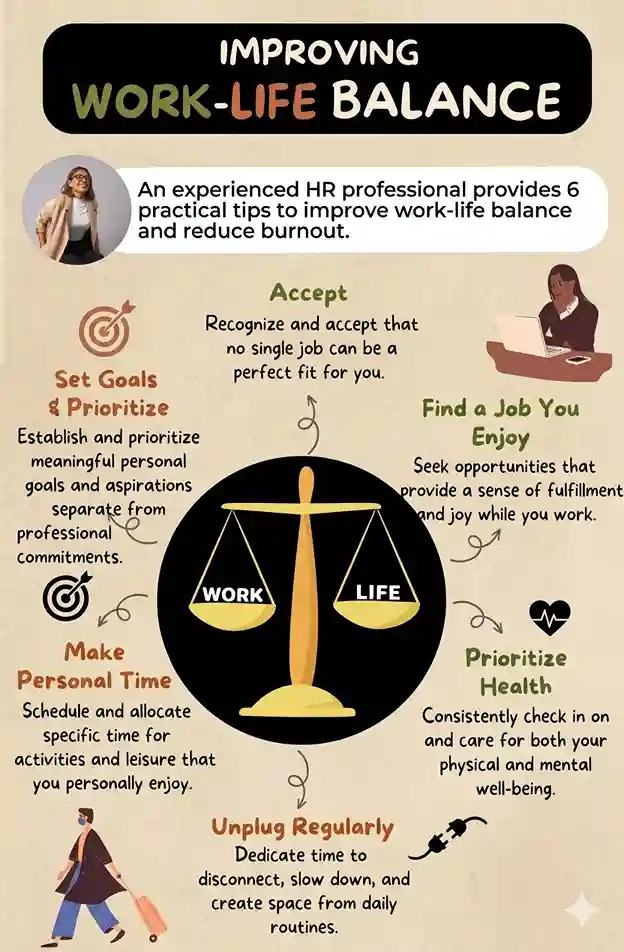
2. Add Movement Without Changing Your Routine
You don’t need hours in the gym to stay active.
Simple ways to move more:
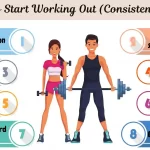
- Take short movement breaks every 30–60 minutes
- Walk during phone calls or meetings
- Use stairs instead of elevators
- Park farther away to increase daily steps
Efficient workout options:
- HIIT (High-Intensity Interval Training): 10–20 minutes, high impact
- Micro workouts: Quick exercises between tasks
- Lunchtime walks: Improve focus and reduce stress
3. Prioritize Mental Well-Being
Mental health is just as important as physical health.
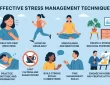
Strategies to reduce stress:
- Practice deep breathing or mindfulness
- Use the Pomodoro Technique (25 minutes work + 5 minutes break)
- Set clear work-life boundaries
- Learn to say “no” to unnecessary tasks
Even a few minutes of mindfulness can significantly improve focus and reduce stress levels.
4. Improve Your Sleep Quality
Sleep is critical for performance, decision-making, and overall health.
Healthy sleep habits:
- Aim for 7–9 hours of sleep each night
- Maintain a consistent sleep schedule
- Limit screen time before bed
- Create a calm, dark, and cool sleep environment
Remember: Poor sleep doesn’t just affect your mood—it impacts your productivity and long-term health.
Use Technology to Support Healthy Habits
You don’t have to do it alone—technology can help you stay on track.
Recommended tools:
- Nutrition apps: Track meals and improve diet
- Meditation apps: Reduce stress and improve focus
- Workout apps: Access quick, guided exercises anytime
- Wearables: Monitor steps, sleep, and heart rate
These tools provide accountability and make it easier to maintain consistency.
Conclusion: Start Small, Stay Consistent
Balancing health with a demanding professional schedule is challenging—but entirely achievable. The key is to focus on small, sustainable changes that fit your lifestyle.
By:
- Planning your meals
- Moving more throughout the day
- Managing stress effectively
- Prioritizing quality sleep
…you can build habits that improve both your well-being and professional performance.
Start small. Stay consistent. Even the busiest professionals can create a healthier, more balanced life—one habit at a time.