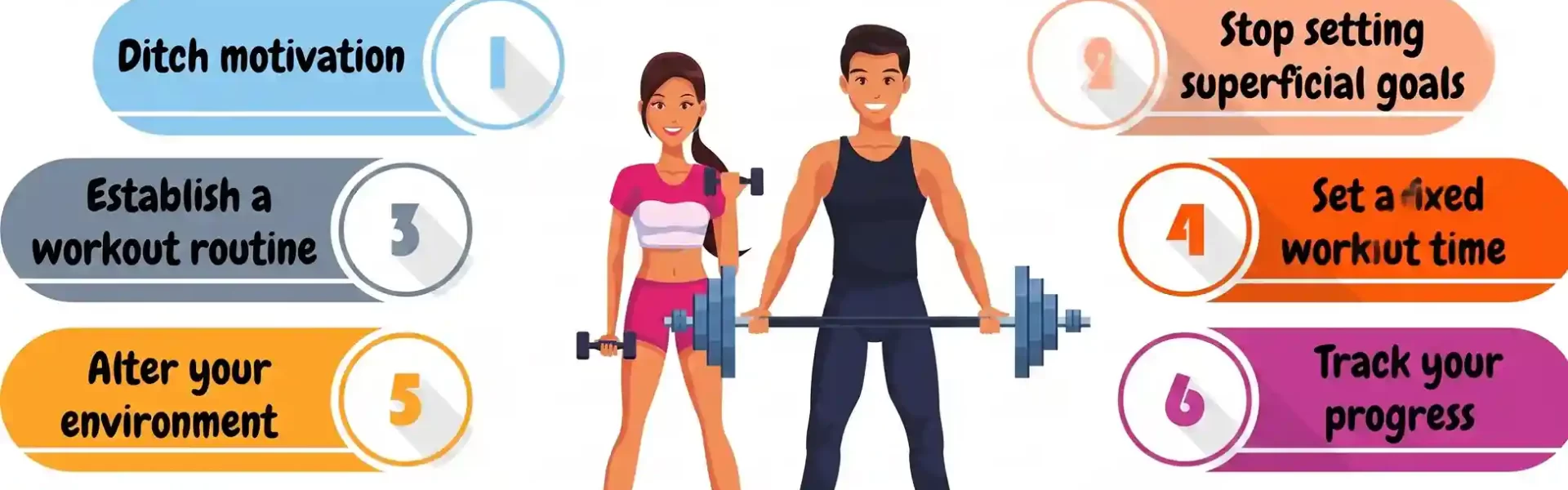

Starting a fitness journey can feel both exciting and overwhelming. Whether your goal is **weight loss, muscle gain, or improving overall health**, the biggest challenge isn’t just getting started—it’s staying consistent.
This beginner-friendly guide will walk you through **simple, practical steps** to help you build a sustainable fitness routine and achieve long-term results.
—
## Why Fitness Matters
Regular exercise is essential for both physical and mental well-being. It can:
* Improve heart health
* Boost energy levels
* Enhance mood and reduce stress
* Lower the risk of chronic diseases like diabetes and heart disease
Despite these benefits, many beginners struggle with consistency—which is the key to real progress.
—
## Step 1: Set Realistic Fitness Goals
One of the most common mistakes beginners make is setting goals that are too ambitious.
Instead of aiming for extreme results in a short time, focus on **small, achievable targets**, such as:
* Exercising 3 times per week for 30 minutes
* Walking 8,000–10,000 steps daily
* Completing a beginner workout program
👉 **Why it works:** Realistic goals build confidence and keep you motivated over time.
—
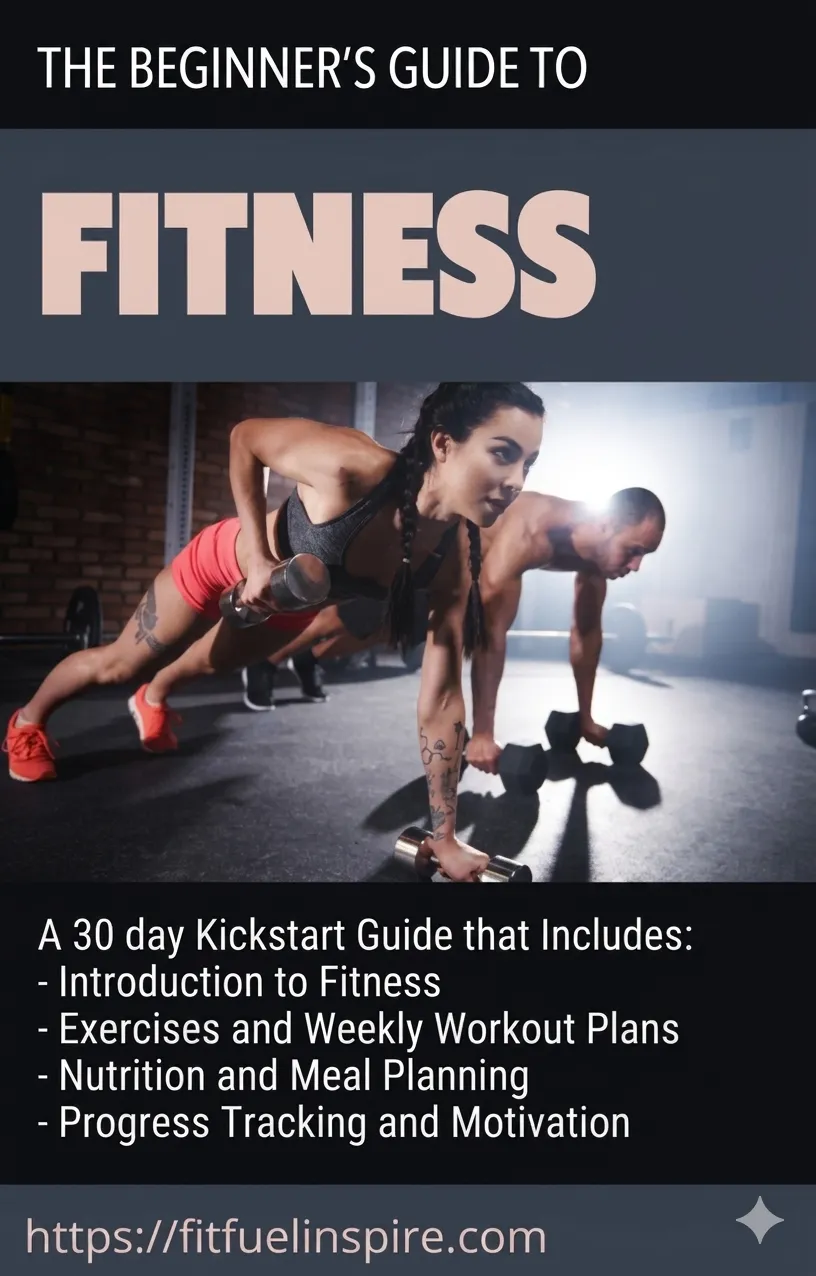
## Step 2: Choose Workouts You Enjoy
If you don’t enjoy your workouts, you won’t stick with them.
Explore different types of exercise to find what suits you best:
* **Strength training:** weightlifting, resistance bands, bodyweight exercises
* **Cardio:** walking, jogging, cycling, swimming
* **Group classes:** yoga, pilates, HIIT, dance workouts
* **Outdoor activities:** hiking, sports, jump rope
👉 **Tip:** The best workout is the one you actually look forward to doing.
—
## Step 3: Start Slow and Progress Gradually
Many beginners push too hard in the beginning, which can lead to burnout or injury.
Start at a comfortable level and gradually increase:
* Workout intensity
* Duration
* Resistance
This concept is known as **progressive overload**, which helps your body improve safely over time.
—
## Step 4: Prioritize Consistency Over Intensity
Doing intense workouts occasionally won’t give you lasting results. What matters most is consistency.
Even **15–20 minutes of exercise daily** can make a big difference if done regularly.
👉 **Remember:** A simple routine you follow consistently is better than a perfect plan you quit after a week.
—
## Step 5: Focus on Proper Nutrition
Exercise alone isn’t enough—you need to fuel your body correctly.
Basic nutrition tips for beginners:
* Eat a balanced diet with protein, healthy fats, and complex carbs
* Drink plenty of water
* Limit processed foods and sugary drinks
👉 **Why it matters:** Good nutrition supports performance, recovery, and overall health.
—
## Step 6: Don’t Ignore Rest and Recovery
Recovery is just as important as your workouts.
To avoid burnout and injuries:
* Get **7–9 hours of sleep** each night
* Take rest days during the week
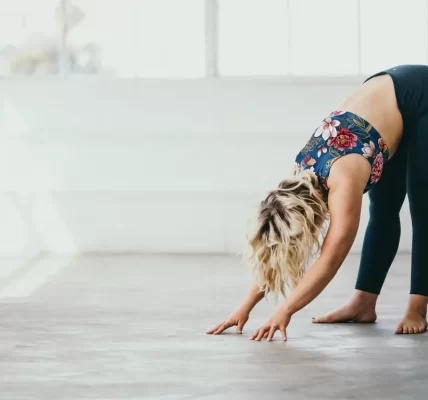
* Include light activities like stretching or yoga
👉 **Key insight:** Muscles grow and repair during rest—not during workouts.
—
## Step 7: Track Your Progress and Stay Motivated
Tracking progress helps you stay accountable and see how far you’ve come.
You can:
* Keep a fitness journal
* Use fitness apps
* Take progress photos
* Measure body changes
To stay motivated:
* Work out with a friend
* Join a fitness community
* Reward yourself for milestones
* Remind yourself why you started
—
## Common Beginner Fitness Mistakes to Avoid
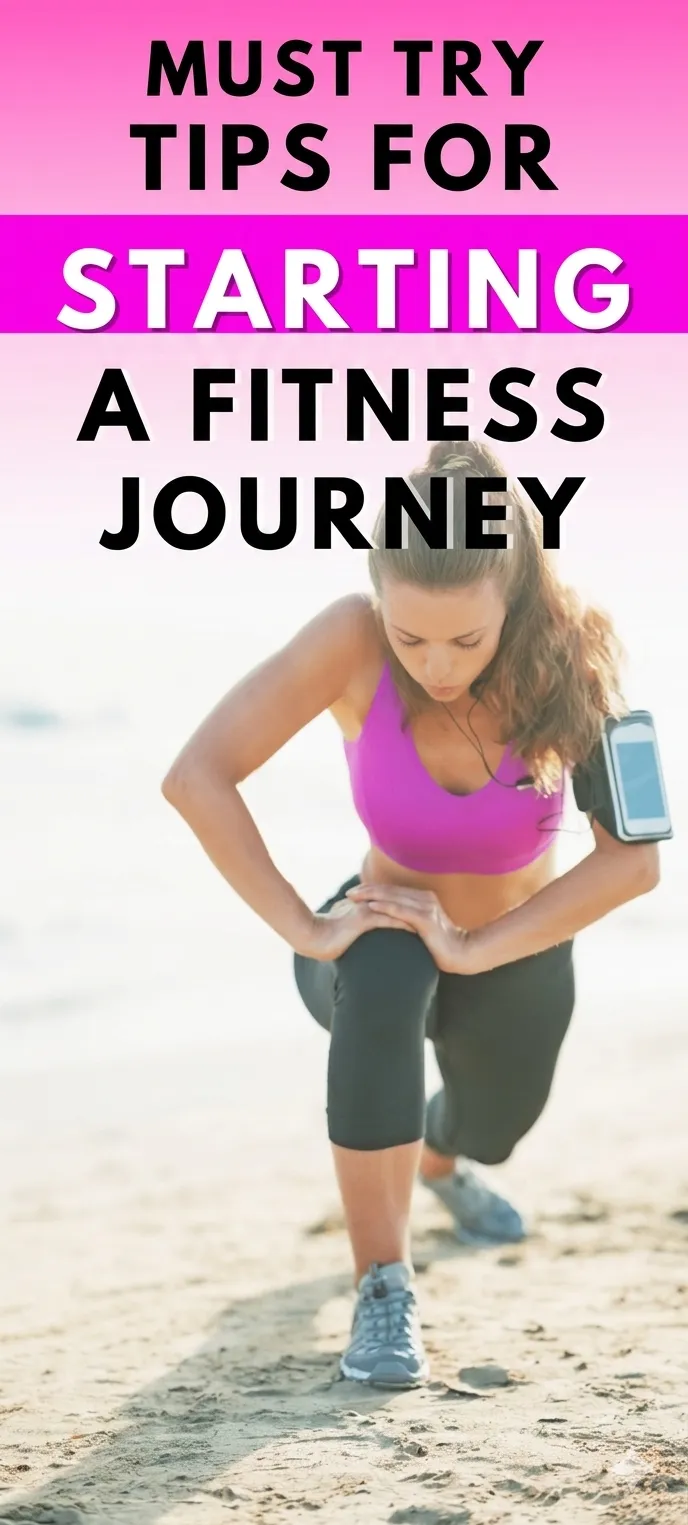
Avoid these mistakes to stay on track:
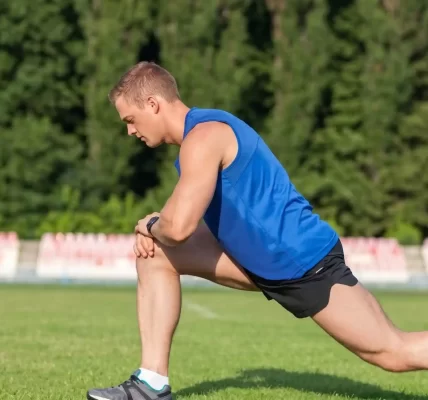
* **Skipping warm-ups and cool-downs:** increases injury risk
* **Comparing yourself to others:** focus on your own journey
* **Using poor form:** reduces effectiveness and causes injuries
* **Expecting instant results:** fitness is a long-term process
—
## Final Thoughts
Starting your fitness journey doesn’t have to be complicated. By setting realistic goals, choosing enjoyable workouts, and staying consistent, you can build a healthy lifestyle that lasts.
**Progress takes time—so be patient and celebrate small wins along the way.**
Ready to take the first step? Start today and make fitness a lifelong habit.
—
*Disclaimer: This article is for informational purposes only and should not be considered medical advice. Always consult a healthcare professional before making significant lifestyle changes.*